A species
Edelweiss
Leontopodium nivale
The woolly white star of the Alps, and a relative of the sunflower
You and the edelweiss meet in the Eukaryotes branch, shown at about 1.8 billion years ago (on 28 July, in a calendar from life's shared ancestor to today).
Edelweiss is the woolly white star of the Alps. Hikers look for it on sunny limestone slopes high in the mountains. It is a national symbol in several European countries, including Switzerland and Austria. Yet this mountain emblem belongs to the daisy family, the same family as the sunflower, the dandelion and the lettuce in your salad.
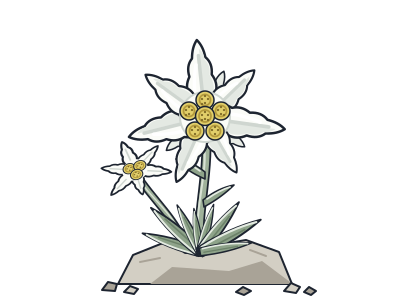
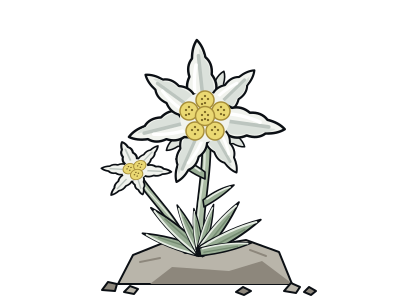
Like its daisy-family relatives, edelweiss looks like one flower but is really a crowd of tiny ones. In the centre sit a few small, yellowish heads shaped like buttons, each packed with tiny flowers. The white 'petals' around them are not petals at all. They are thick, woolly bracts that spread out to make a star.
The plant is small. In the wild its flowering stems are usually about 3 to 20 centimetres tall, from about the length of your thumb tip to the length of a pencil. It grows on rocky limestone ground about 1,800 to 3,400 metres up. Its home is mainly the Alps, but it also grows in the Pyrenees, the Carpathians and parts of the Apennines and the Balkans. It flowers from July to September.
Over the last two centuries, people picked so much edelweiss that it was almost wiped out in some places. Today it is quite common again in its natural home in places such as the Swiss National Park. It is still protected by law in many places.
Built-in sun protection
The white hairs on the bracts are made of extremely fine threads, about 176 nanometres across. They reflect most visible light, so they look white, but they soak up ultraviolet light. This probably helps shield the plant from strong mountain sunshine, and scientists have suggested it could inspire better sunscreens.
Flies do most of the work
Bees are not the main pollinators of edelweiss. In one study, flies did about 88% of the pollinating, even though insects from 29 different families came to visit.
A lion's paw in the snow
Its genus name comes from Ancient Greek words meaning 'lion's paw'. The second part of its scientific name means 'snowy'.
Next to it on the tree
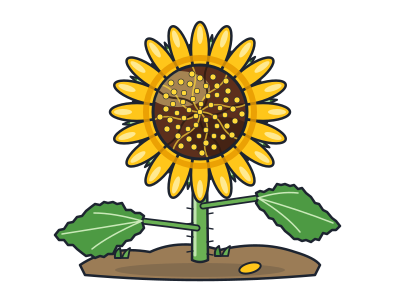
- SunflowerEach 'flower' is really hundreds of tiny flowers arranged in a perfect spiral.
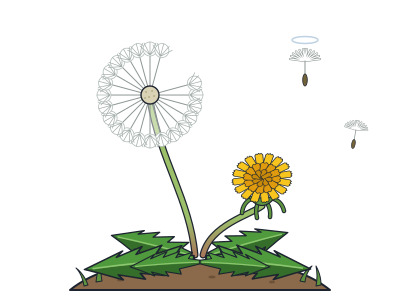
- DandelionEach seed flies on its own parachute, and plants clone seeds without pollination.
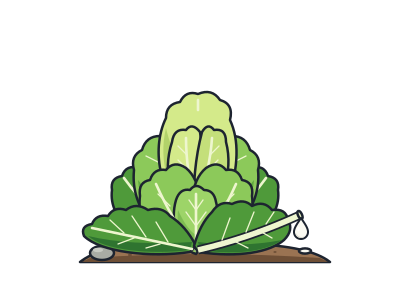
- LettuceA salad leaf bred from a bitter wild plant that oozes milky sap.
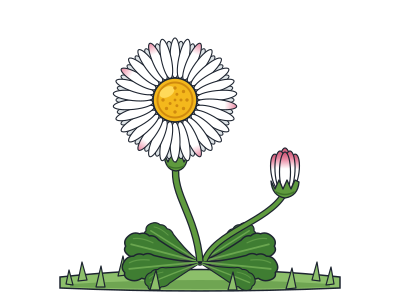
- Common daisyIts name comes from 'day's eye', because it opens at dawn and closes at dusk.
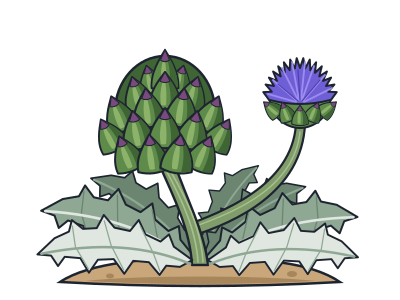
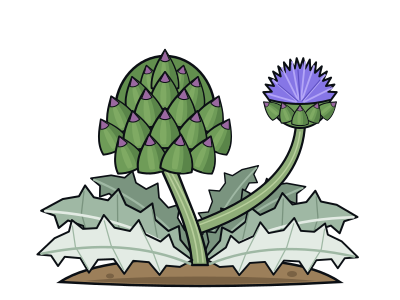
- Globe artichokeWe eat the flower bud of a giant thistle before it blooms.
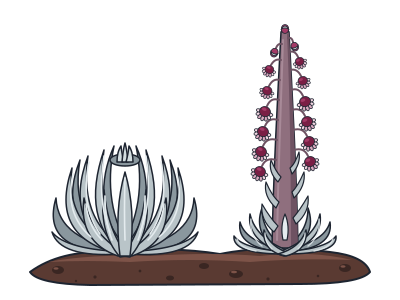
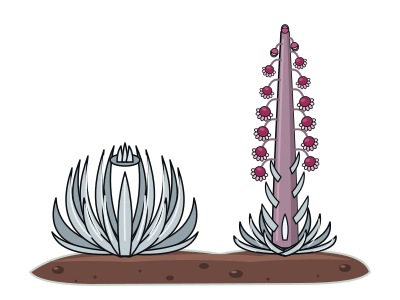
- Haleakalā silverswordA silver ball of leaves on a Hawaiian volcano that flowers once and dies.