A group of living things
Grasses
Poaceae
The wind-pollinated family that feeds the world
This branch is shown at about 75 million years ago; its age is a rough estimate.
You and grasses meet in the Eukaryotes branch, shown at about 1.8 billion years ago (on 28 July, in a calendar from life's shared ancestor to today).
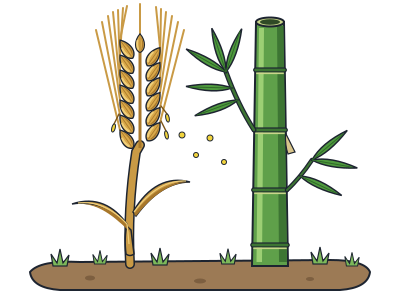
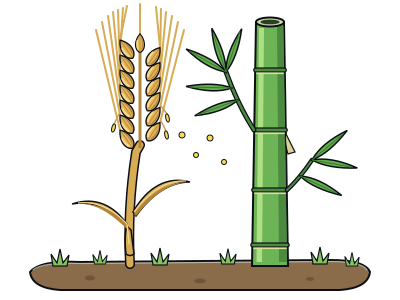
Every bowl of rice, slice of bread and cob of corn comes from a grass. Rice, wheat and maize all belong to this family, and together grasses give people about half of all the food energy they eat. Barley, oats and sugarcane are grasses too. So is bamboo, even though some bamboos grow as tall as trees.
Grasses do have flowers, but you might never notice them. The flowers are tiny and plain, with no bright petals or sweet nectar, because most grasses do not need insects. Instead, the wind carries their pollen. Feathery tips on each flower catch pollen as it blows past.
What we call a grain is actually a whole fruit, with the seed joined to the fruit wall. Grass leaves are long and narrow, and they grow from the bottom, not the tip. That is why a lawn keeps growing back after you mow it, and why grass can survive being nibbled by grazing animals.
Grasses grow on every continent, even Antarctica. On the tree, palms, bananas, pineapples and ginger are relatives in the same larger branch, so your breakfast cereal is a distant cousin of a banana.
Speed record
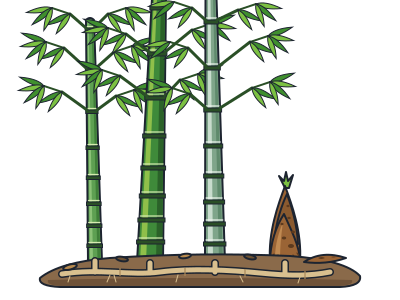
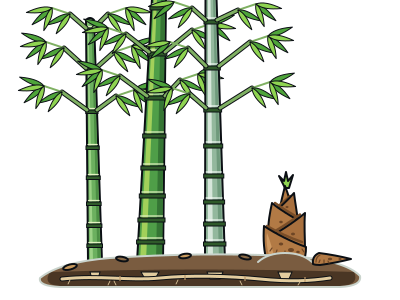
Some bamboos are the fastest-growing plants in the world. They can grow up to about 91 cm in a single day, roughly the height of a kitchen bench.
Once a century
One Japanese timber bamboo flowers only about once every 120 years. When it does, plants thousands of kilometres apart all bloom together.
A grassy planet
By one count, grasslands cover about two-fifths of Earth's land, not counting Greenland and Antarctica. About 70% of all the crops people grow are grasses.
Inside grasses
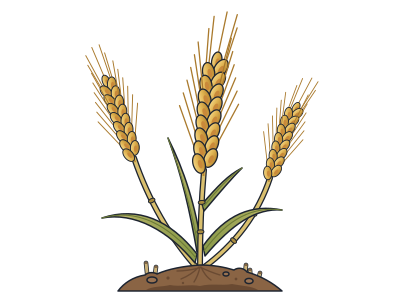
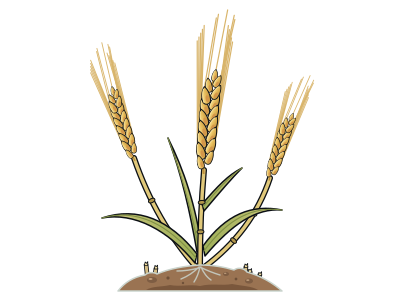
- Bread wheatCarries three ancestors' worth of genes from two ancient crosses between wild grasses.
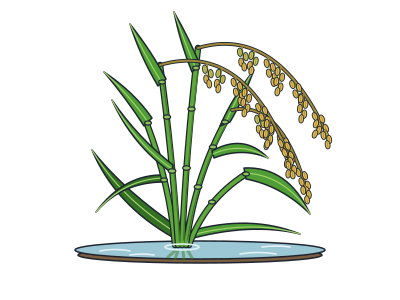
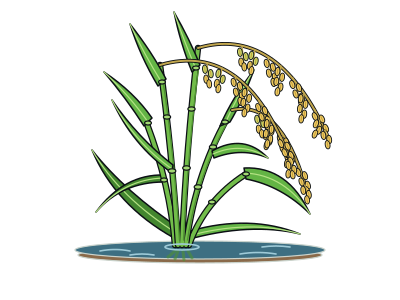
- RiceFeeds more than half the people on Earth.
- MaizeBred from a scrappy wild grass called teosinte by farmers in Mexico about 9,000 years ago.
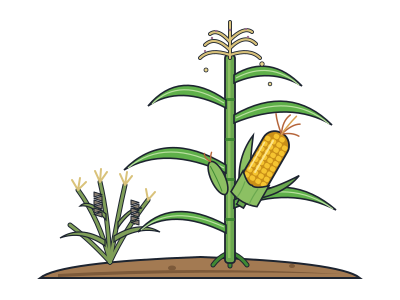
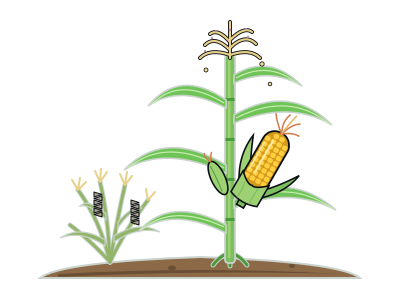
- Moso bambooA grass that can grow nearly a metre in a day and flowers only once every few decades.
- SugarcaneA giant grass that supplies most of the world's sugar.
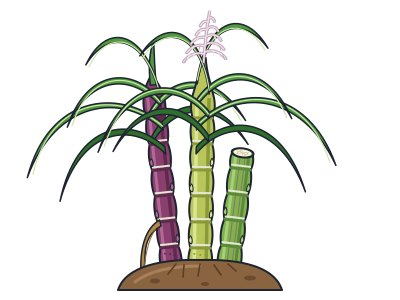
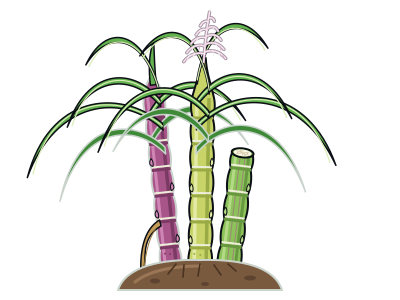
- BarleyOne of the first crops ever farmed, used for bread and beer for 10,000 years.
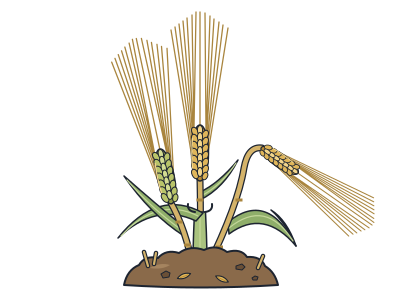
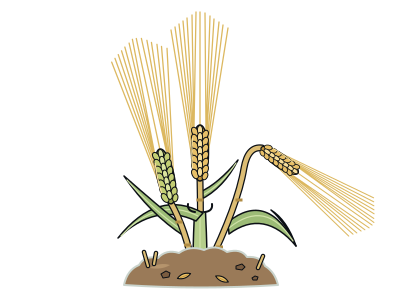
- OatsStarted as a weed in wheat fields before becoming a crop in its own right.
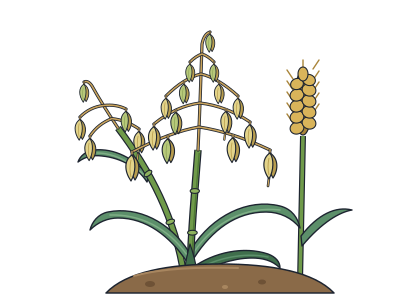
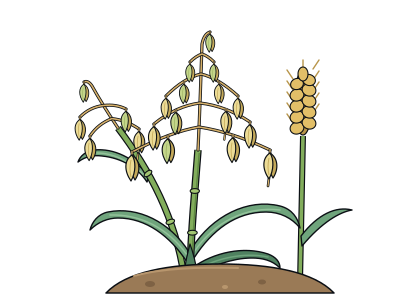
- SorghumA drought-tough grain from Africa that feeds half a billion people.
Next to it on the tree
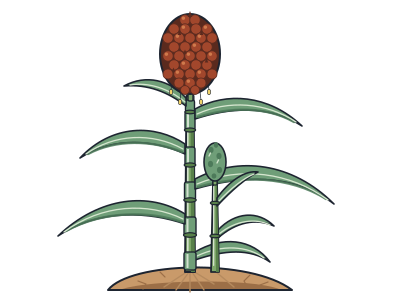
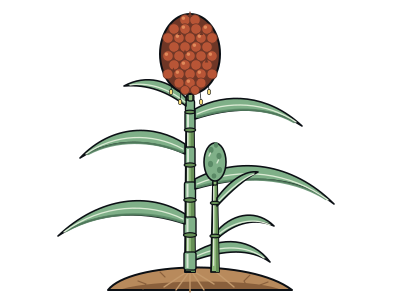
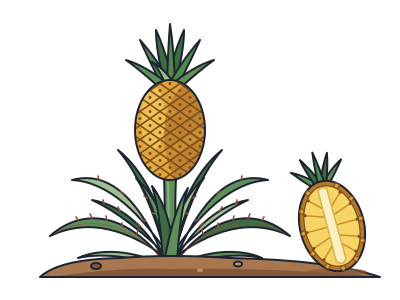
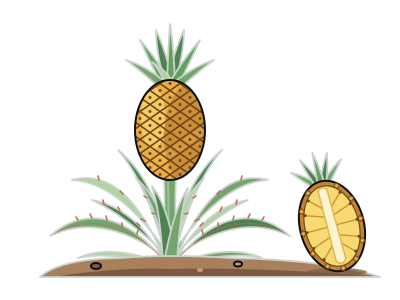
- PineappleEach pineapple is many fruits fused together around a stem.
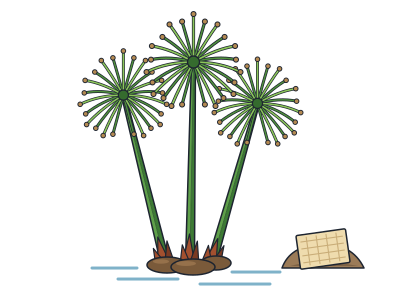
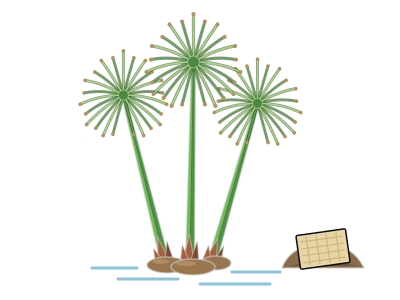
- PapyrusA tall Nile sedge that ancient Egyptians pressed into sheets for writing, the root of the word paper.
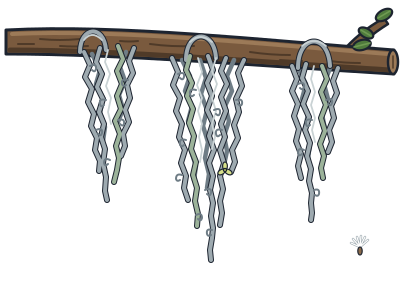
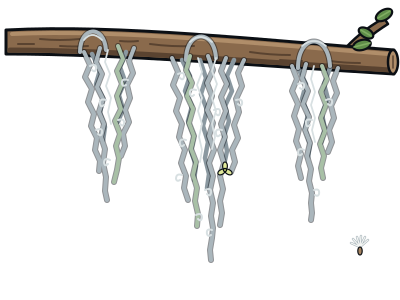
- Spanish mossGrey beards on southern oaks; not a moss at all but a rootless pineapple relative.
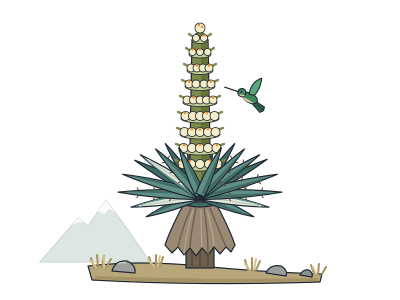
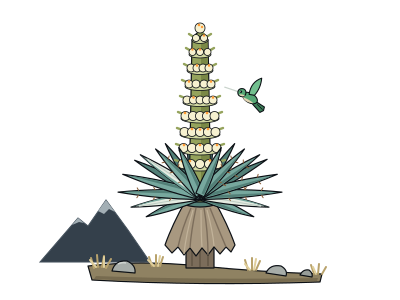
- Queen of the AndesGrows for up to a century, then raises a flower spike 10 metres tall and dies.