A species
Sorghum
Sorghum bicolor
The hardy African grain that keeps growing when the rain stops
You and the sorghum meet in the Eukaryotes branch, shown at about 1.8 billion years ago (on 28 July, in a calendar from life's shared ancestor to today).
This tough grass, first farmed in Africa, is a main food for more than 500 million people in over 30 countries. Most of them live in Africa south of the Sahara and in South Asia. It ranks as the world's fifth most important cereal crop, and its great strength is coping with heat and drought.
Its roots grow deep, spread wide and pack in tightly, so they pull water from the soil very well. It can also keep making food from sunlight when water runs short. A whitish wax on its leaves and stems, which can look like frost, is thought to help cut down water loss. In the same drought, maize leaves lose a bigger share of their water. Sorghum also sends up side shoots over several weeks, so its seed heads flower over a longer stretch of time. That makes one dry spell less likely to ruin the whole crop.
One especially close relative is sugarcane. The two still have their genes lined up in a very similar order. Because of this, scientists use sorghum's simpler set of genes as a guide to sugarcane's very complicated one.
The oldest known evidence of farmed sorghum comes from eastern Sudan and is about 5,000 to 5,500 years old. Before that, people seem to have gathered wild sorghum for a long time.
Bred to be short
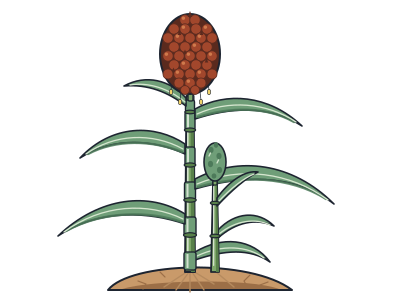
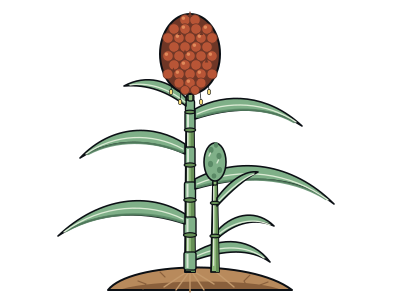
Modern grain sorghum is bred with dwarfing genes and stands only about 0.6 to 1.2 metres tall. Before the 1940s, plants were often 1.5 to 2.1 metres tall.
Grain of many colours
Sorghum grain can be white, yellow, brown or a mix. Brown types are rich in tannins, which make the grain less pleasant to eat.
Counting chromosomes
Sorghum has 20 chromosomes, in 10 pairs. Modern sugarcane varieties carry about 100 to 120.
Next to it on the tree
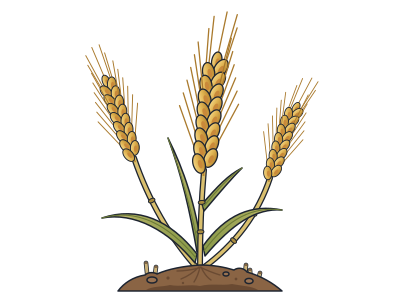
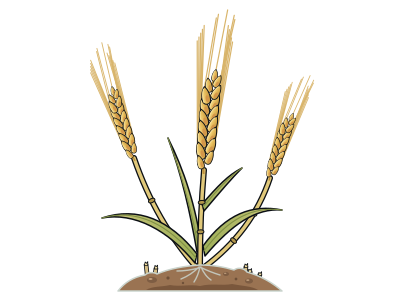
- Bread wheatCarries three ancestors' worth of genes from two ancient crosses between wild grasses.
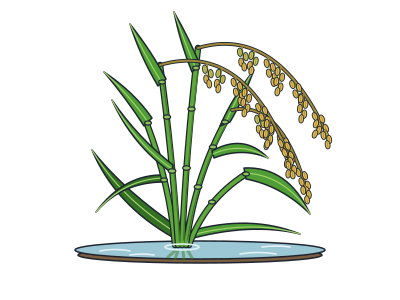
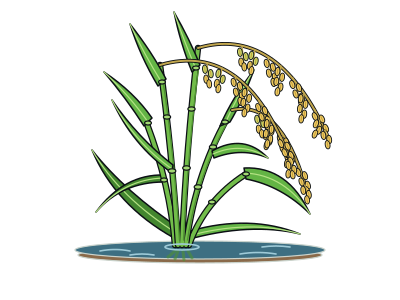
- RiceFeeds more than half the people on Earth.
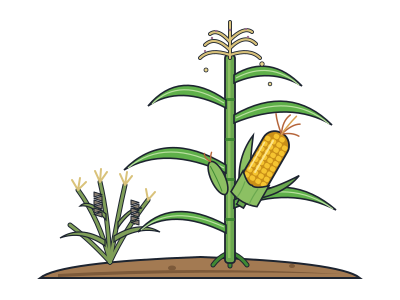
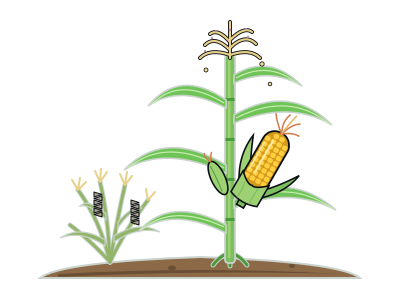
- MaizeBred from a scrappy wild grass called teosinte by farmers in Mexico about 9,000 years ago.
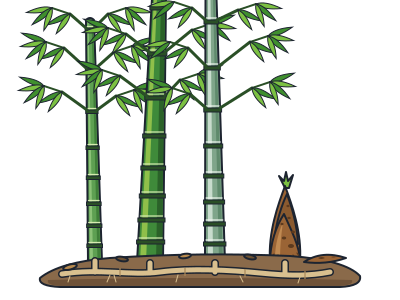
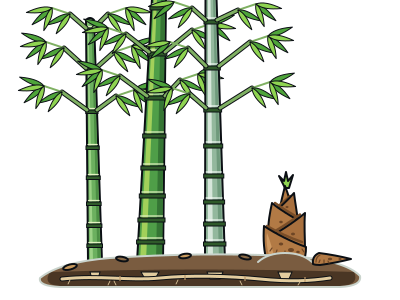
- Moso bambooA grass that can grow nearly a metre in a day and flowers only once every few decades.
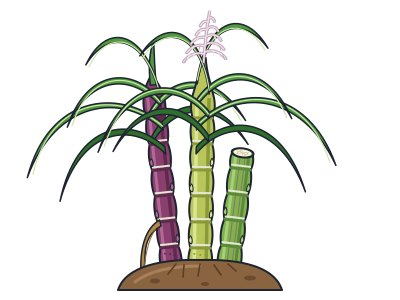
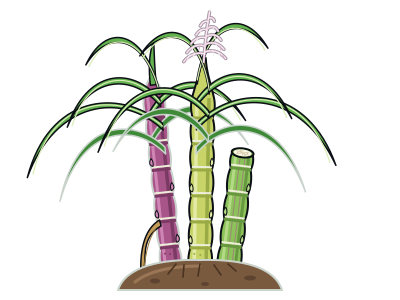
- SugarcaneA giant grass that supplies most of the world's sugar.
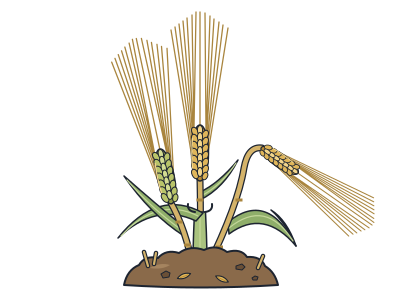
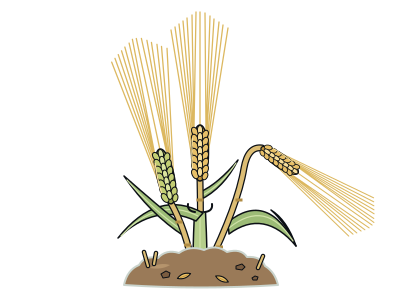
- BarleyOne of the first crops ever farmed, used for bread and beer for 10,000 years.
- OatsStarted as a weed in wheat fields before becoming a crop in its own right.