A species
Barley
Hordeum vulgare
The bearded grass that helped start farming
You and the barley meet in the Eukaryotes branch, shown at about 1.8 billion years ago (on 28 July, in a calendar from life's shared ancestor to today).
Barley is one of the very first crops people ever farmed. About 10,000 years ago, in the Fertile Crescent of the Middle East, people began growing a wild grass and slowly turned it into a crop. For thousands of years since, barley has been made into bread and beer.
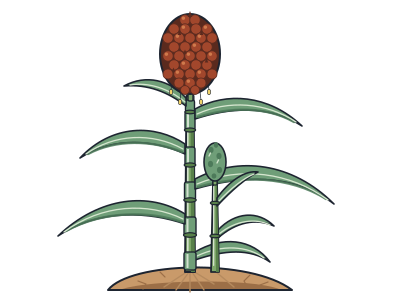
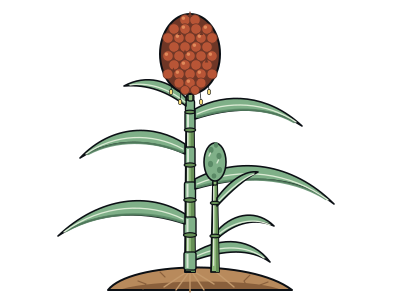
Barley is a grass. Its relatives on the tree are other grasses, such as wheat, rice, maize, bamboo and sugarcane. So a bowl of barley soup and a towering bamboo forest belong to the same big grass family.
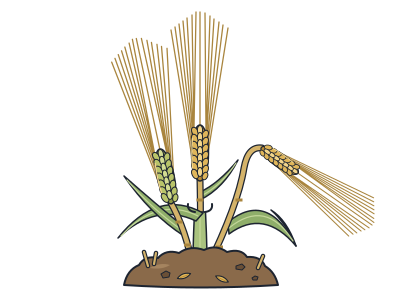
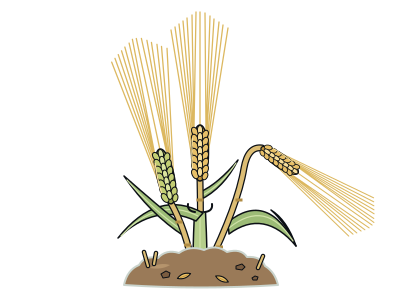
The key change from wild to farmed barley is in the grain head. When wild barley ripens, its head breaks apart and scatters the grains. Farmed barley has a tough head that holds on to its grain until harvest. That is exactly what farmers need.
Barley grows about knee to chest high. Each stem ends in a grain head with long bristles called awns, which give it a shaggy 'beard'. It likes cool weather and copes fairly well with drought. It also copes with salty soil better than most other cereals. Today, about 70% of the world's barley feeds farm animals. Most of the rest is malted to make beer and whisky.
Bread before farms
About 14,400 years ago, hunter-gatherers in what is now Jordan baked flatbread from wild cereals, including wild barley. That was more than 4,000 years before farming began.
The oldest beer recipe
A Sumerian poem to Ninkasi, the goddess of brewing, was written about 3,900 years ago. It contains the oldest surviving beer recipe, which makes beer from barley by first making bread.
A world-class grain
In 2023, farmers grew about 146 million tonnes of barley. That made it the world's fourth biggest grain crop, after maize, rice and wheat.
Next to it on the tree
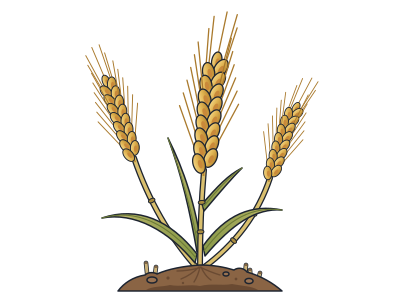
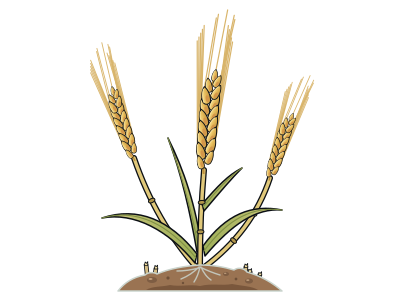
- Bread wheatCarries three ancestors' worth of genes from two ancient crosses between wild grasses.
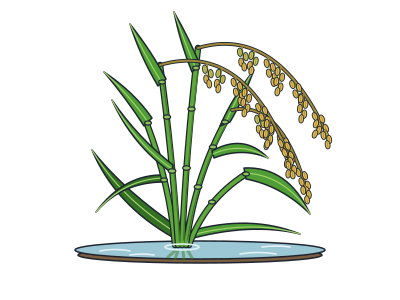
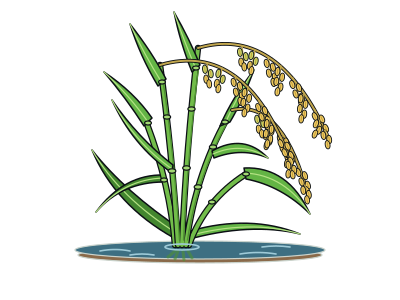
- RiceFeeds more than half the people on Earth.
- MaizeBred from a scrappy wild grass called teosinte by farmers in Mexico about 9,000 years ago.
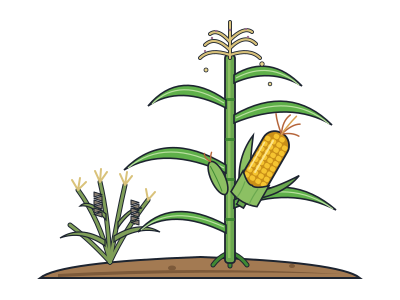
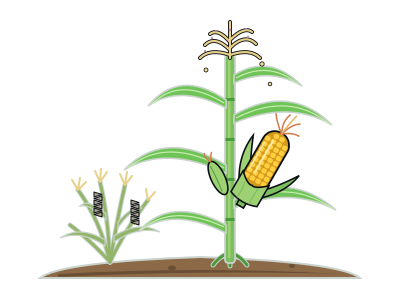
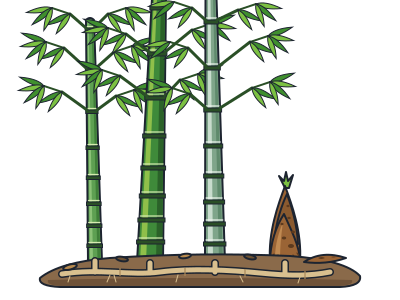
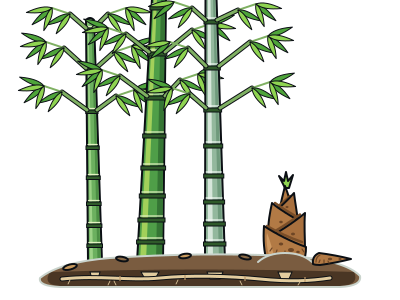
- Moso bambooA grass that can grow nearly a metre in a day and flowers only once every few decades.
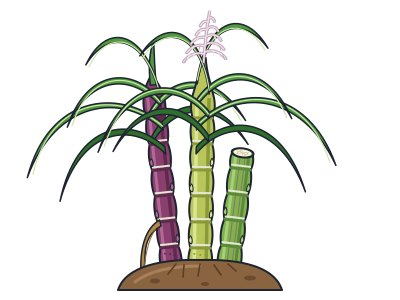
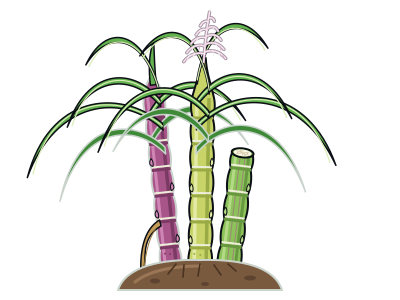
- SugarcaneA giant grass that supplies most of the world's sugar.
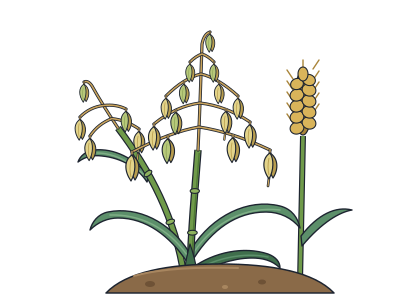
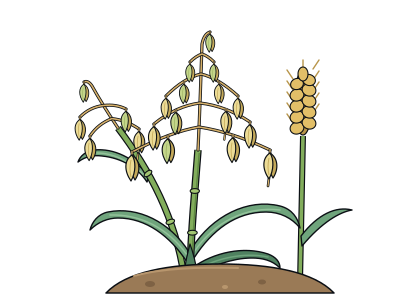
- OatsStarted as a weed in wheat fields before becoming a crop in its own right.
- SorghumA drought-tough grain from Africa that feeds half a billion people.