A species
Bread wheat
Triticum aestivum
One grass made from three, joined by two ancient crosses
You and the bread wheat meet in the Eukaryotes branch, shown at about 1.8 billion years ago (on 28 July, in a calendar from life's shared ancestor to today).
Every slice of bread hides a family secret. Bread wheat does not come from just one line of wild grass. It is a blend of three different wild grasses, joined together by two ancient crosses. It carries three complete genomes, called A, B and D, and each one came from a different grass ancestor.
The first cross happened in the wild, hundreds of thousands of years before anyone farmed. A wild grass closely related to einkorn wheat mixed with a wild goatgrass. Together they made wild emmer wheat. Nobody has ever found the exact goatgrass that supplied the B genome.
The second cross came much later, only about 9,000 years ago. By then people were already farming. A farmed wheat crossed with a weedy wild grass called Tausch's goatgrass, which added the D genome. So bread wheat is a very young species. It was born in a world where people already grew crops.
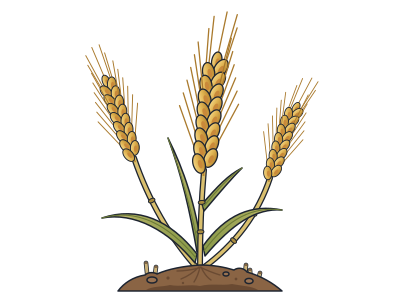
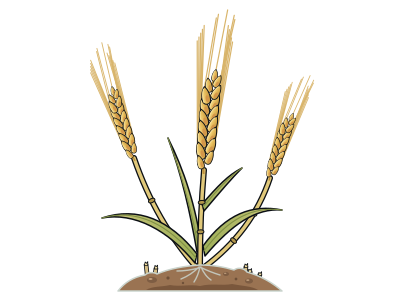
Today it is a tufted grass up to about chest height, with a dense ear at the top of each stem that turns golden when ripe. Wheat grows on more land than any other food crop and supplies nearly 20% of the world's daily calories. Almost all of it is bread wheat.
A giant genome
Bread wheat's genome is about 17 billion DNA letters long. That is roughly five times the size of yours and about 40 times the size of rice's. It took more than 200 scientists 13 years to read it all.
Keeps its pollen to itself
Wheat flowers have no petals and don't need insects. Each tiny flower has both male and female parts, so it mostly pollinates itself. Its pollen is heavy, so the wind can't carry it far to other plants.
Not the pasta wheat
Pasta is usually made from durum wheat, the second most widely grown wheat. It is a different species from bread wheat, with four chromosome sets instead of six.
Next to it on the tree
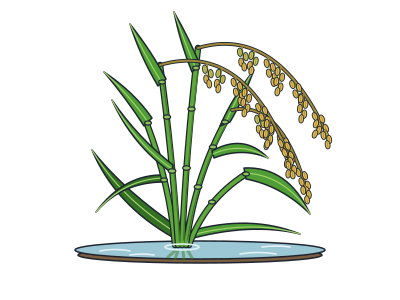
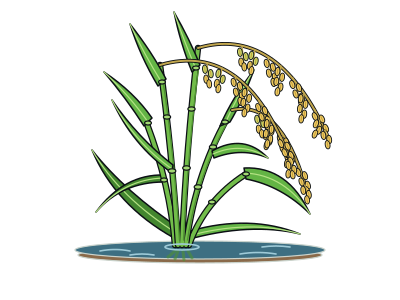
- RiceFeeds more than half the people on Earth.
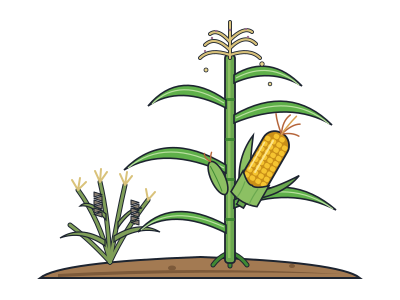
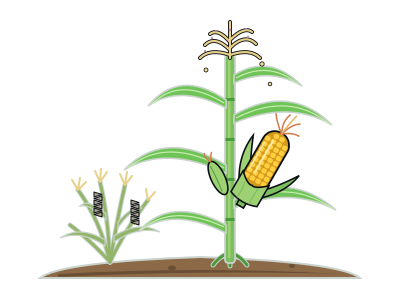
- MaizeBred from a scrappy wild grass called teosinte by farmers in Mexico about 9,000 years ago.
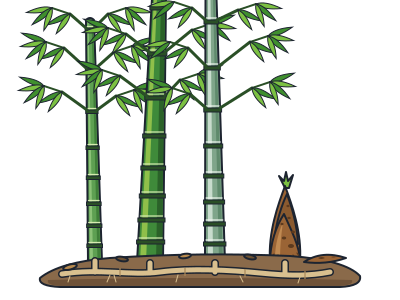
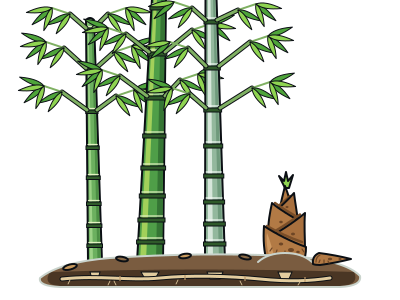
- Moso bambooA grass that can grow nearly a metre in a day and flowers only once every few decades.
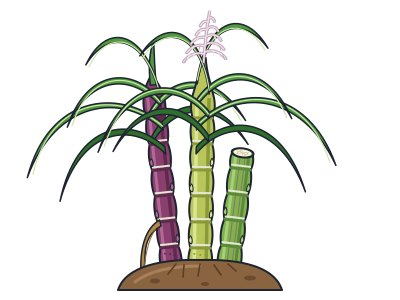
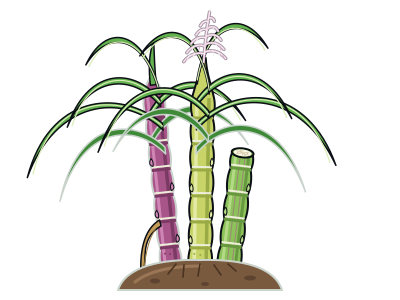
- SugarcaneA giant grass that supplies most of the world's sugar.
- BarleyOne of the first crops ever farmed, used for bread and beer for 10,000 years.
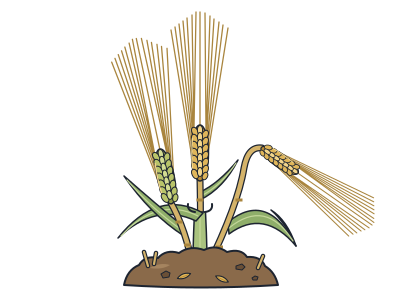
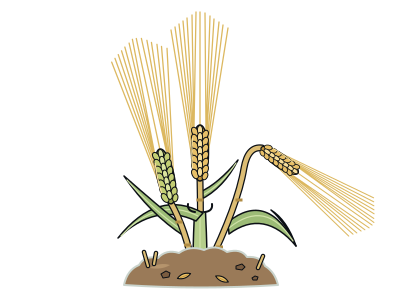
- OatsStarted as a weed in wheat fields before becoming a crop in its own right.
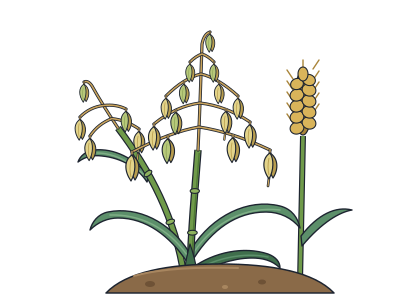
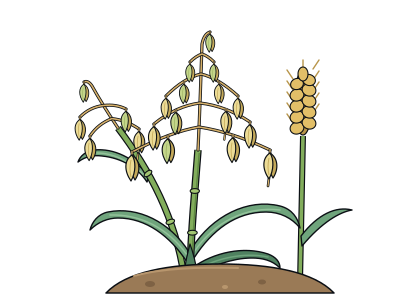
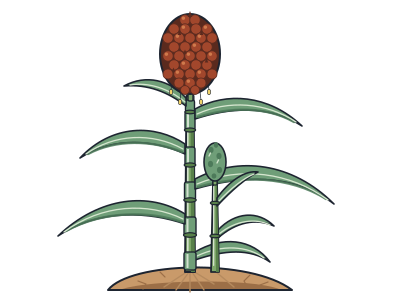
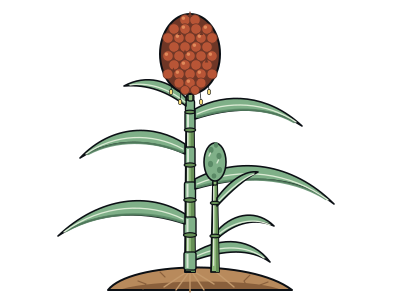
- SorghumA drought-tough grain from Africa that feeds half a billion people.