A species
Oats
Avena sativa
The weed that sneaked into wheat fields and became a crop
You and the oats meet in the Eukaryotes branch, shown at about 1.8 billion years ago (on 28 July, in a calendar from life's shared ancestor to today).
Oats began as gatecrashers. Thousands of years ago, a weedy wild oat grew among the first wheat and barley crops. Its grains looked so much like the crop that early farmers struggled to sort them out. So the weed was sown and harvested along with everything else. Only later did people start growing oats as a crop in their own right.
Oats are grasses, just like their relatives wheat, barley, rice and maize. Wild relatives of oats grow around Turkey, close to where wheat and barley were first farmed. But the earliest evidence of oats being grown as a crop comes from Europe, much later in the story of farming. Grains of farmed oats first turn up in Europe about 3,000 years ago.
Wild oats are still common weeds in cereal fields today. When the plants are young, a wild oat and a crop oat look almost exactly alike. The difference only shows once the seed heads appear. Wild oats drop most of their ripe seeds before harvest, but crop oats keep their grains on the plant.
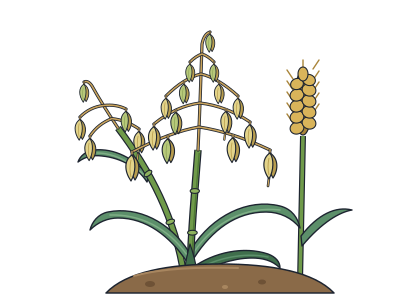
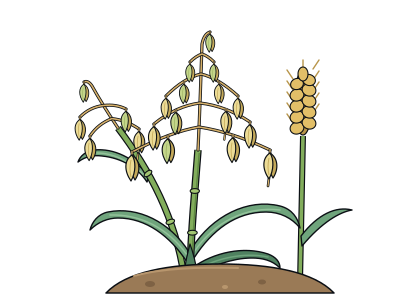
An oat plant is a tufted grass, usually somewhere between knee and head height on an adult. Its loose, drooping seed head holds up to about 75 spikelets, which dangle like little lanterns. Oats like cool, wet places, and they cope with cold, acid soils better than wheat or barley do.
Food for horses, or for people?
In his 1755 dictionary, Samuel Johnson described oats as "a grain, which in England is generally given to horses, but in Scotland supports the people".
Three grasses in one
Oats have six sets of chromosomes, 42 in all. These came from three different ancestral grass species, which makes the oat's genes very complicated to study.
Roadside runaways
In Australia, oats have gone wild in every state. They spring up from spilt grain on roadsides and near stockfeed areas, but they seldom last more than a couple of seasons.
Next to it on the tree
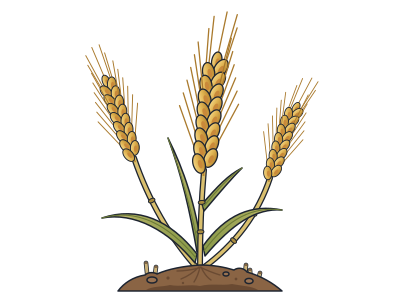
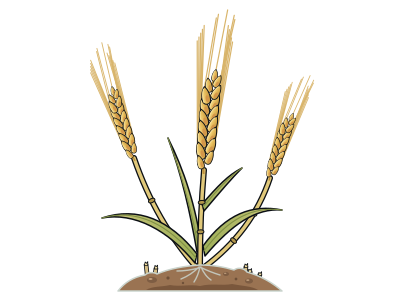
- Bread wheatCarries three ancestors' worth of genes from two ancient crosses between wild grasses.
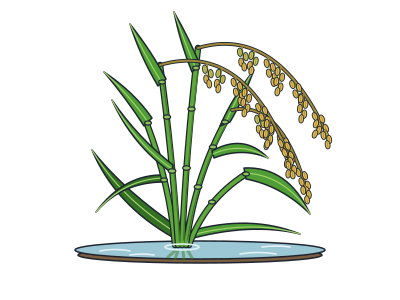
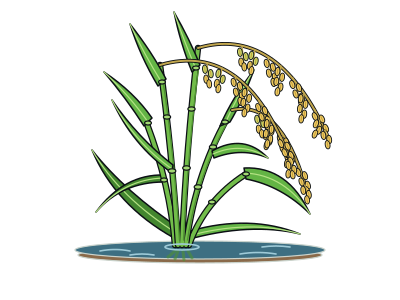
- RiceFeeds more than half the people on Earth.
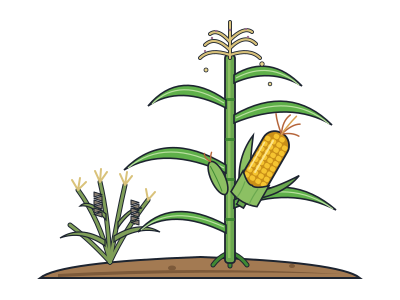
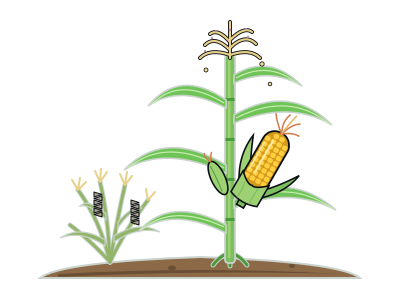
- MaizeBred from a scrappy wild grass called teosinte by farmers in Mexico about 9,000 years ago.
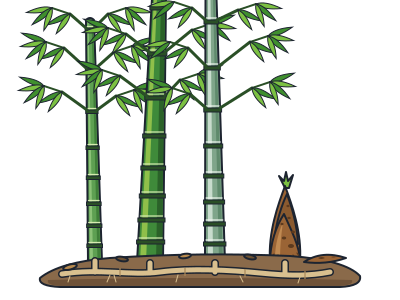
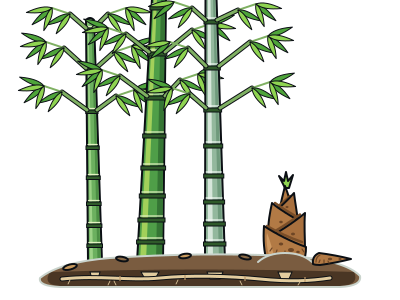
- Moso bambooA grass that can grow nearly a metre in a day and flowers only once every few decades.
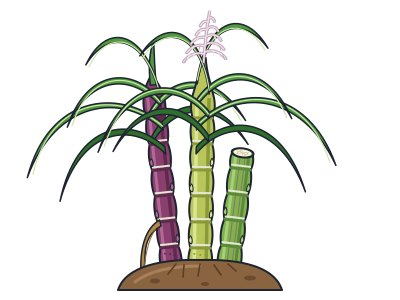
- SugarcaneA giant grass that supplies most of the world's sugar.
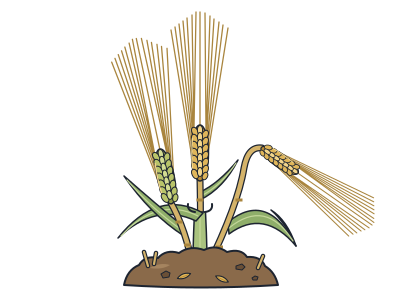
- BarleyOne of the first crops ever farmed, used for bread and beer for 10,000 years.
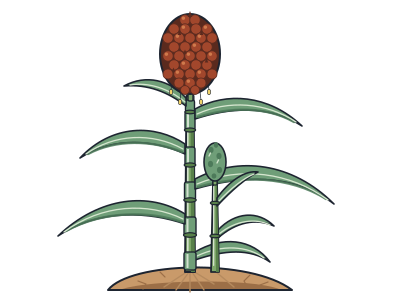
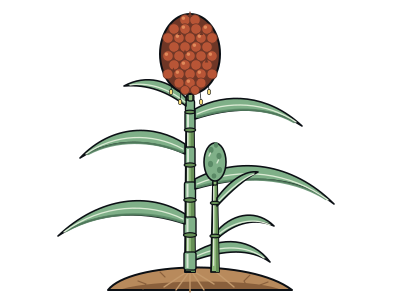
- SorghumA drought-tough grain from Africa that feeds half a billion people.