A species
Moso bamboo
Phyllostachys edulis
A giant grass that can shoot up about a metre in a day, then wait decades to flower.
You and the moso bamboo meet in the Eukaryotes branch, shown at about 1.8 billion years ago (on 28 July, in a calendar from life's shared ancestor to today).
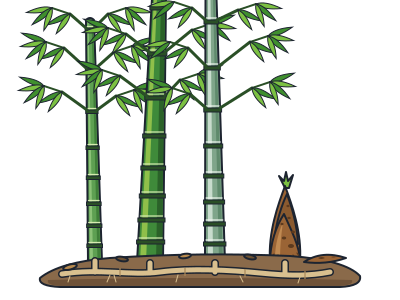
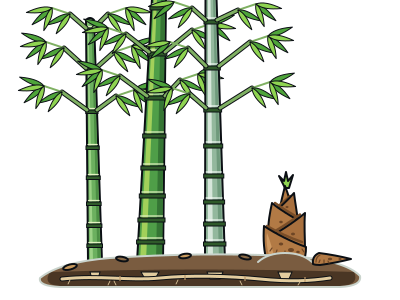
This towering plant is a grass, and it is one of the fastest-growing plants on Earth. At its peak, a new shoot can grow about a metre in a single day. One was measured growing about 119 centimetres in 24 hours. Each stem reaches its full height in about two months and then stops getting taller. Typical stems end up about 18 metres tall, roughly the height of a six-storey building.
Some of its relatives are probably in your kitchen. Moso bamboo belongs to the same big branch of the grass family as wheat, barley and rice. It is more closely related to wheat and barley than to rice. Maize and sugarcane belong to the grass family's other big branch.
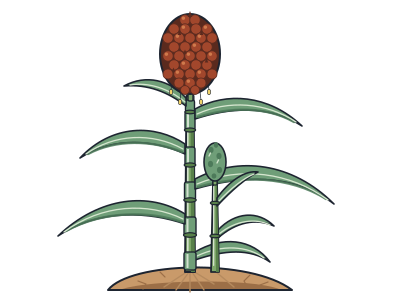
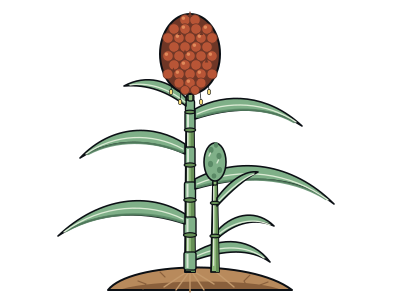
For all that speed, it is very slow to flower. A plant can grow for many decades, often more than 60 years, before it blooms. In 2021, two stands of moso bamboo grown from seed in Japan flowered together in a mass flowering, when the plants were about 66 and 67 years old.
Between flowerings, it spreads using stems that run sideways underground and send up new shoots. This lets a grove grow quickly, and in Japan it has spread from old, abandoned groves into nearby woods and grassland.
Named for dinner
The second part of its scientific name, 'edulis', means 'edible', because its young shoots are eaten. It is also the main bamboo used in China to make bamboo rayon fabric.
One plant, many groves
Genetic tests suggest that the moso bamboo sampled in Japan is a single clone. It was probably carried there by sea as living plants around 1736.
Tiny beginnings
A seedling's first stems are only about 10 centimetres tall and 2 millimetres thick. Each year the new stems come up bigger until the grove reaches full size.
Next to it on the tree
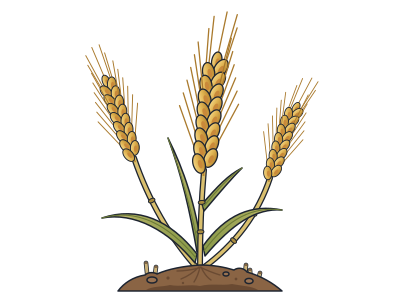
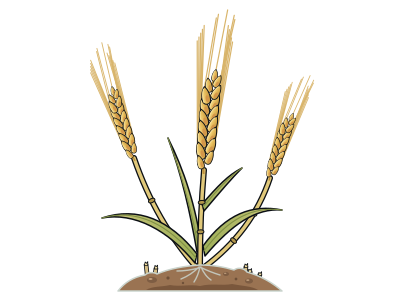
- Bread wheatCarries three ancestors' worth of genes from two ancient crosses between wild grasses.
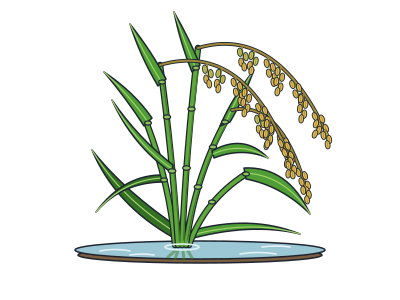
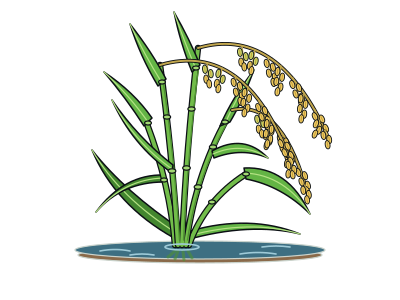
- RiceFeeds more than half the people on Earth.
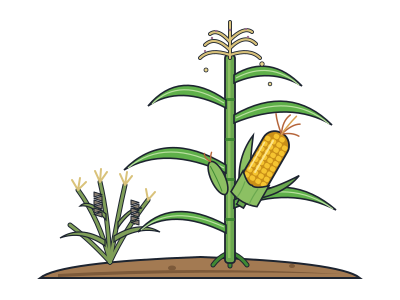
- MaizeBred from a scrappy wild grass called teosinte by farmers in Mexico about 9,000 years ago.
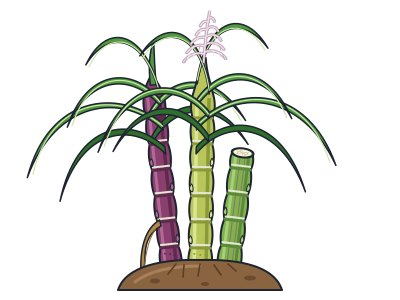
- SugarcaneA giant grass that supplies most of the world's sugar.
- BarleyOne of the first crops ever farmed, used for bread and beer for 10,000 years.
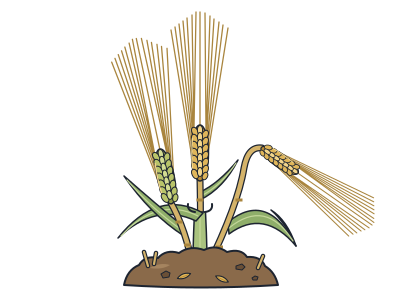
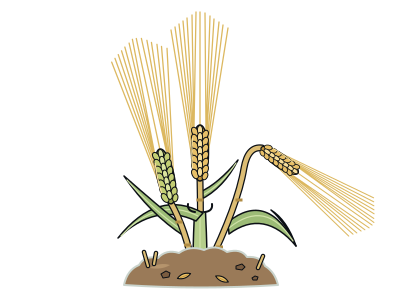
- OatsStarted as a weed in wheat fields before becoming a crop in its own right.
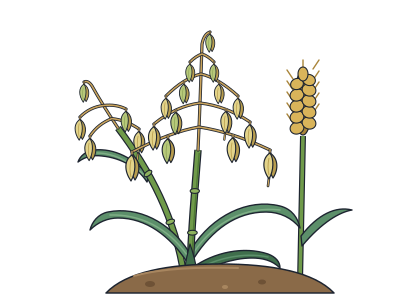
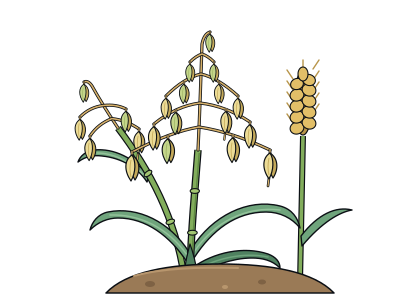
- SorghumA drought-tough grain from Africa that feeds half a billion people.