A species
Rice
Oryza sativa
The grass that feeds more than half the world
You and the rice meet in the Eukaryotes branch, shown at about 1.8 billion years ago (on 28 July, in a calendar from life's shared ancestor to today).
More than half the people on Earth eat rice as their main food. Yet the plant itself is a grass. Its relatives in the grass family include wheat, maize, barley, sugarcane and even bamboo.
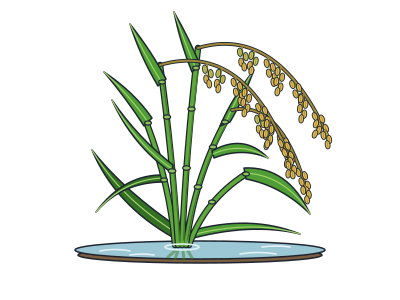
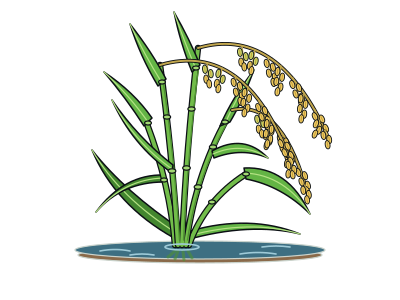
A rice plant grows as a clump of thin, upright stems, often about waist to chest height on an adult. Each stem is jointed like a bamboo cane. At the top, a drooping head holds up to about 500 small grains.
Rice was first farmed in China, around the Yangtze River, many thousands of years ago. Early farmers tamed it from a wild grass called brownbeard rice. They chose plants whose seeds stayed on the stalk instead of dropping off, because those plants were easier to harvest.
Rice likes warm weather and lots of water. Some kinds grow in dry fields, but most rice is grown in flooded fields called paddies. It is grown everywhere from northern China to southern Australia, but about nine-tenths of it comes from Asia. China and India alone grow about half the world's rice.
Genes by the thousand
In 2005, an international team finished reading rice's full set of genetic instructions in fine detail. They found about 37,500 genes.
Racing the flood
Some rice, called deepwater rice, can grow stems up to about 5 metres long. That keeps the top of the plant above rising floodwater.
A rainbow of grains
Rice grains can be white, brown, red or black, and black rice turns purple when cooked. One rice seed bank stores more than 100,000 different rice varieties and samples.
Next to it on the tree
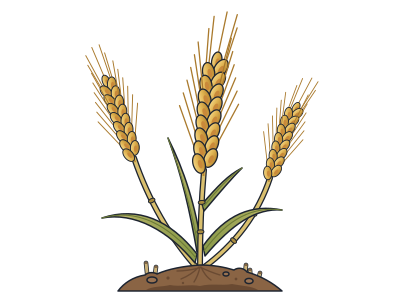
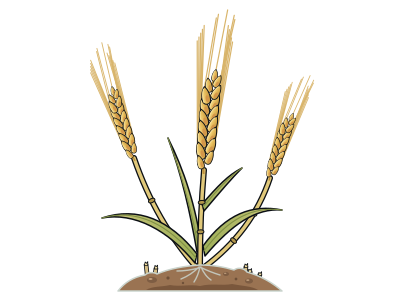
- Bread wheatCarries three ancestors' worth of genes from two ancient crosses between wild grasses.
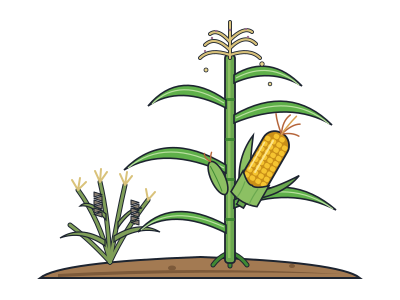
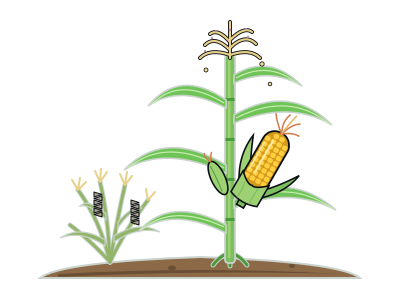
- MaizeBred from a scrappy wild grass called teosinte by farmers in Mexico about 9,000 years ago.
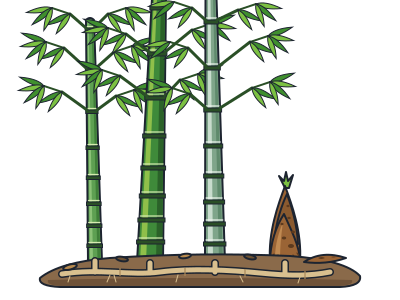
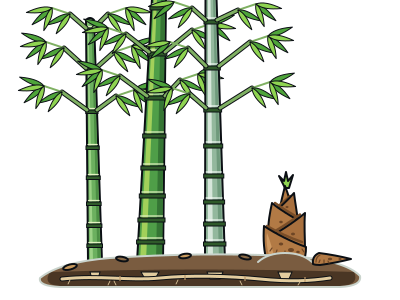
- Moso bambooA grass that can grow nearly a metre in a day and flowers only once every few decades.
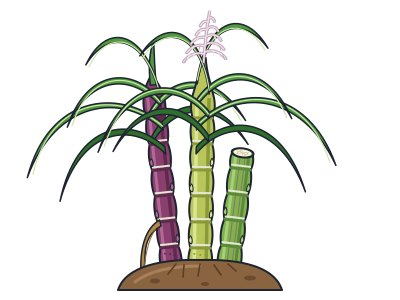
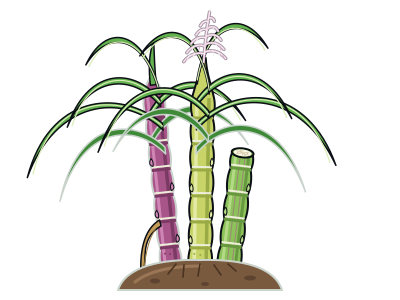
- SugarcaneA giant grass that supplies most of the world's sugar.
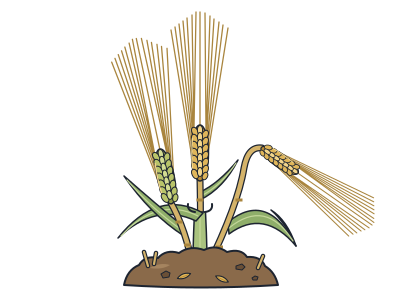
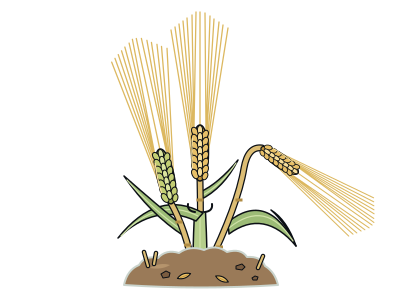
- BarleyOne of the first crops ever farmed, used for bread and beer for 10,000 years.
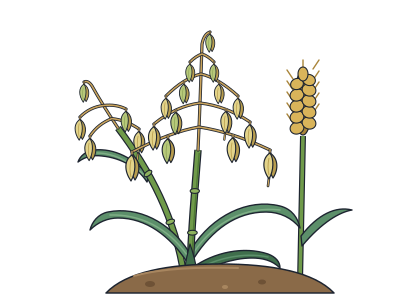
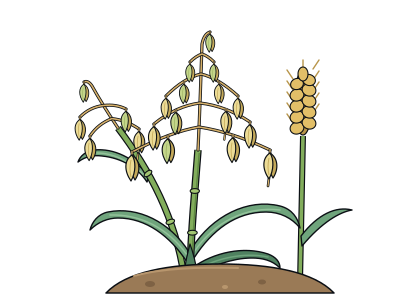
- OatsStarted as a weed in wheat fields before becoming a crop in its own right.
- SorghumA drought-tough grain from Africa that feeds half a billion people.