A species
Maize
Zea mays
A scrappy wild grass that farmers turned into one of the world's biggest crops
You and the maize meet in the Eukaryotes branch, shown at about 1.8 billion years ago (on 28 July, in a calendar from life's shared ancestor to today).
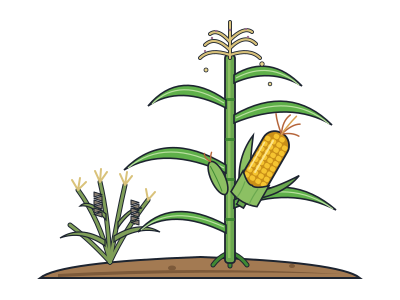
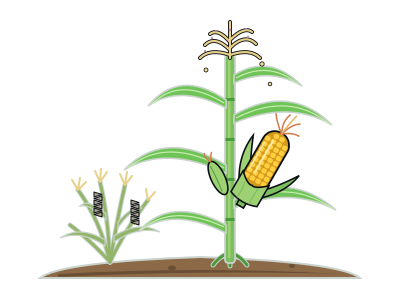
Every cob of corn comes from a scrappy wild grass. About 9,000 years ago, farmers in southern Mexico began growing a plant called teosinte. A teosinte ear is tiny, with only about 5 to 12 kernels. Each kernel is locked in a hard case that has to be cracked open like a walnut. Over many generations, farmers kept seeds from the plants they liked best, and the grass slowly changed into maize.
The change was huge. A big maize cob can carry up to about 1,200 kernels, all sitting uncovered on the outside. Wild teosinte is bushy, with lots of branches. Maize usually grows as one tall stalk, often taller than an adult. A few genes with big effects explain some of the most striking changes. One tiny change in a single gene helped strip away the hard case, leaving the kernels bare and easy to eat.
Maize may look like a vegetable, but it is really a grass, and its kernels are grains. That makes it a relative of wheat, rice, barley, sugarcane and even bamboo. It has changed so much that it can no longer spread by itself. Its kernels stay stuck to the cob, so it needs people to plant it.
The world's biggest grain crop
By weight, more maize is grown each year than any other grain: about 1.16 billion tonnes in 2020. The USA grew nearly a third of it, and China about a fifth.
One silk, one kernel
The silks poking out of the top of an ear are parts of the female flowers. Each kernel has its own silk. The kernel only forms if wind-blown pollen from a tassel lands on that silk.
Jumping genes
The scientist Barbara McClintock used maize to show that some genes can move around inside a plant's DNA. She won a Nobel Prize for this discovery in 1983.
Next to it on the tree
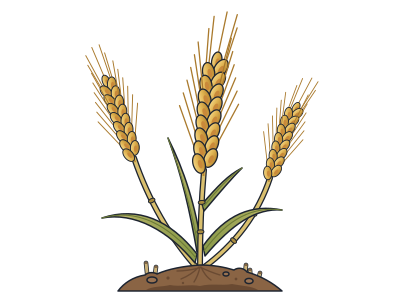
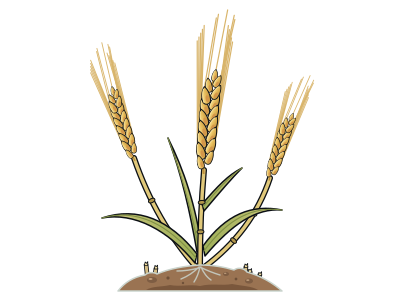
- Bread wheatCarries three ancestors' worth of genes from two ancient crosses between wild grasses.
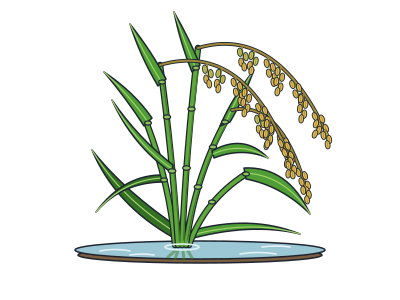
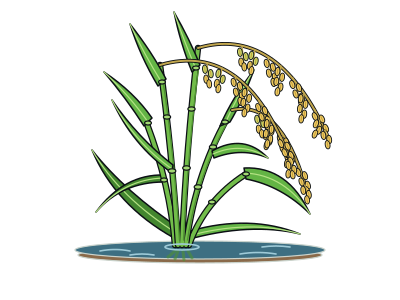
- RiceFeeds more than half the people on Earth.
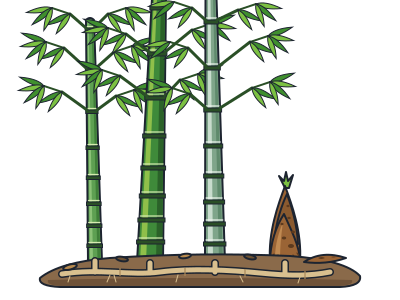
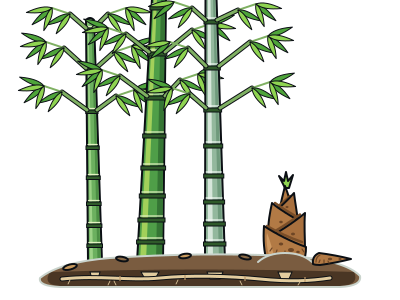
- Moso bambooA grass that can grow nearly a metre in a day and flowers only once every few decades.
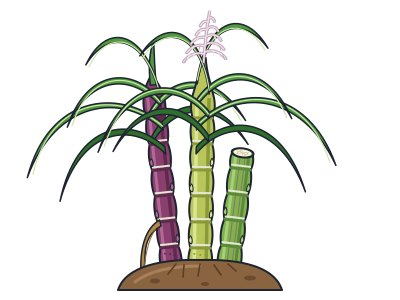
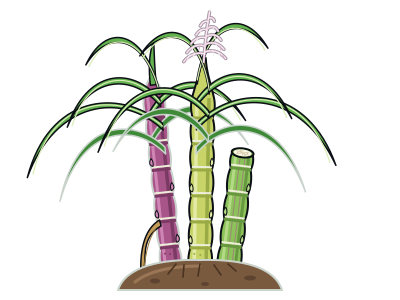
- SugarcaneA giant grass that supplies most of the world's sugar.
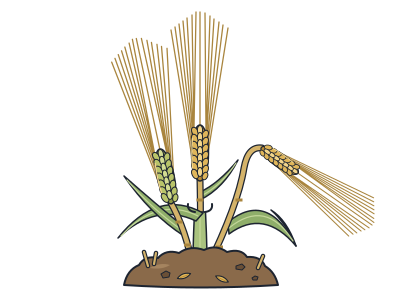
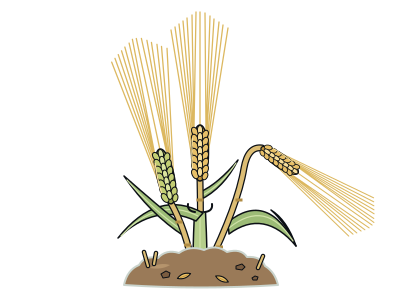
- BarleyOne of the first crops ever farmed, used for bread and beer for 10,000 years.
- OatsStarted as a weed in wheat fields before becoming a crop in its own right.
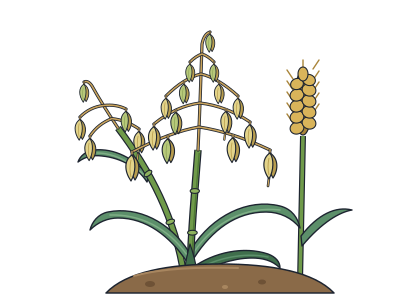
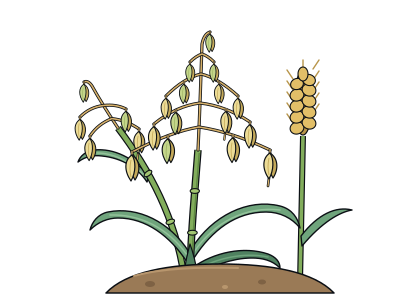
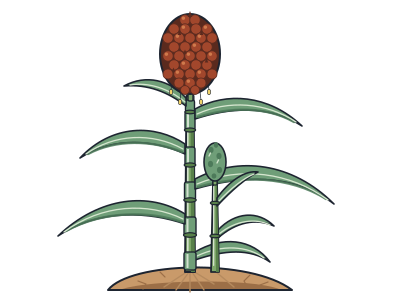
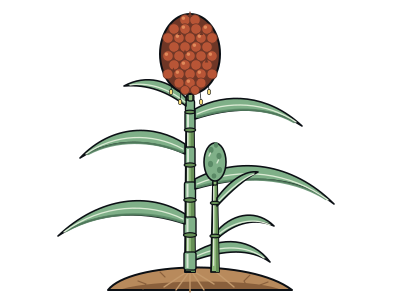
- SorghumA drought-tough grain from Africa that feeds half a billion people.