A group of living things
Citrus, maples and mangoes
Sapindales
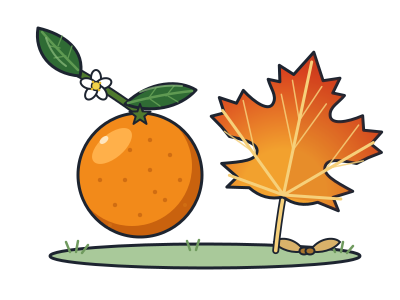
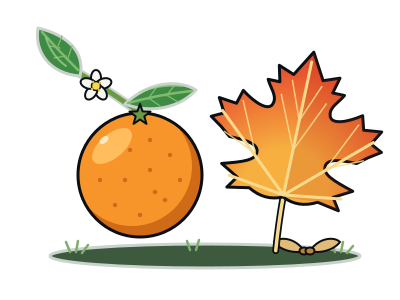
Oranges, maples, mangoes and cashews are all close relatives.
This branch is shown at about 80 million years ago; its age is a rough estimate.
You and citrus, maples and mangoes meet in the Eukaryotes branch, shown at about 1.8 billion years ago (on 28 July, in a calendar from life's shared ancestor to today).
Your fruit bowl hides a family secret. Oranges, mangoes and cashews are relatives of the maple tree that gives us maple syrup. They all belong to one large group of flowering plants. It also includes lychees, pistachios, horse chestnuts, mahogany, and the trees that make frankincense and myrrh. Altogether there are more than 6,500 kinds.
Some of the relatives are surprising. Mangoes, cashews and pistachios are in the same family as poison ivy. Many plants in that family have sap with chemicals that can irritate skin. That is why some people get a rash from mango skin. Maples, meanwhile, share a family with lychees and horse chestnuts.
Many members share a few traits. Their leaves are often split into rows of small leaflets, with a single leaflet at the tip. Many make scented oils or sticky resin. Scratch an orange peel and you can smell it: the little dimples on the skin are tiny oil glands.
Most of the group grows in warm parts of the world, from rainforests to dry tropical woodland. A few, like maples and horse chestnuts, also grow in cooler northern forests with cold winters.
Never sold in the shell
Cashew shells contain oils like the ones in poison ivy. That is why cashews are never sold in their shells. The nuts are heated by roasting or steaming and then shelled before we eat them.
Lots of sap, a little syrup
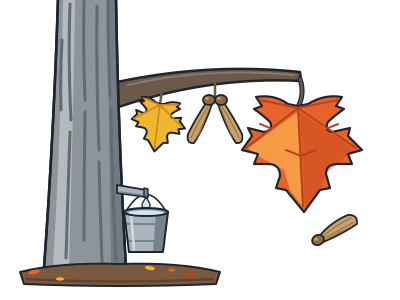
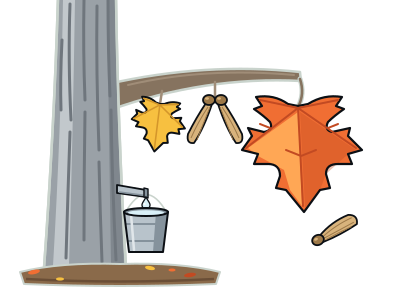
It takes about 40 litres of sugar maple sap to boil down into just 1 litre of maple syrup.
A fruit made by mixing
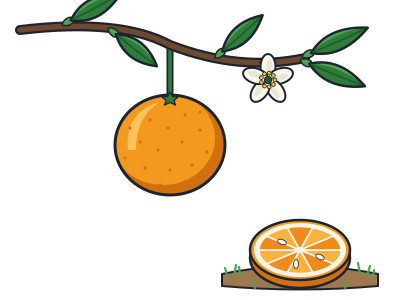
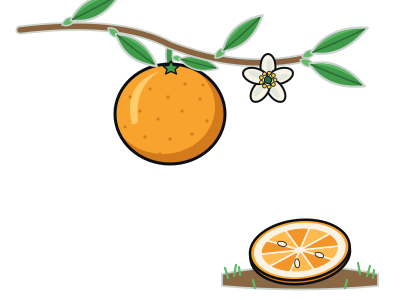
The sweet orange is not a wild plant. It is a cross between the pomelo and the mandarin, and it was first written about in China more than 2,300 years ago.
Inside citrus, maples and mangoes
- Sweet orangeNot a wild species: an ancient cross between pomelo and mandarin.
- Sugar mapleIts sap boils down to maple syrup; its seeds spin like helicopters.
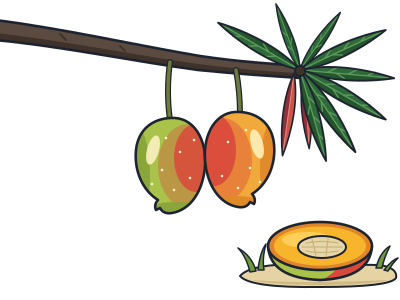
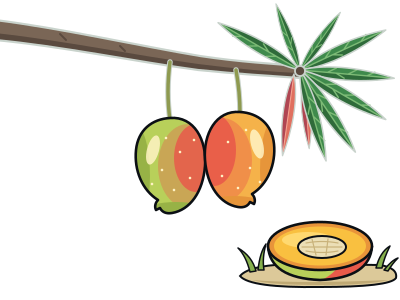
- MangoA cousin of cashew and poison ivy; its skin can irritate sensitive people.
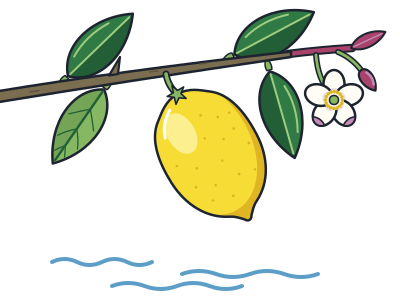
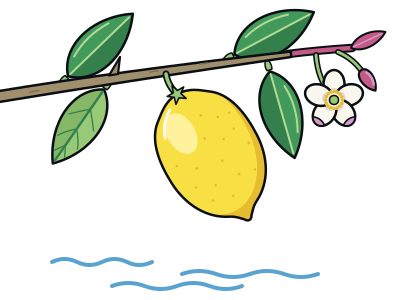
- LemonA hybrid of sour orange and citron, prized by sailors to prevent scurvy.
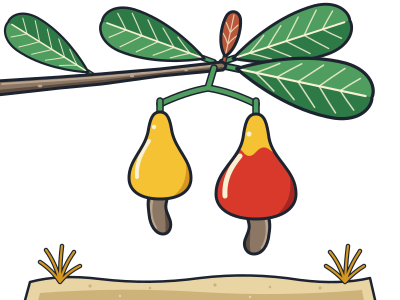
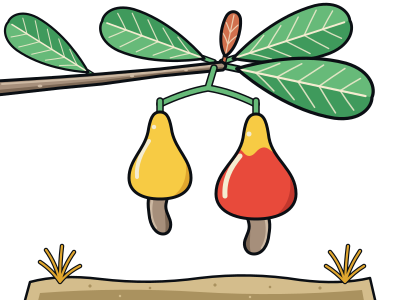
- CashewEach nut hangs below a swollen fleshy stalk called the cashew apple.
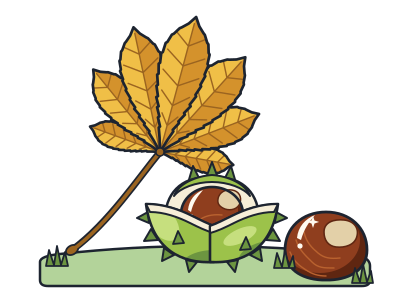
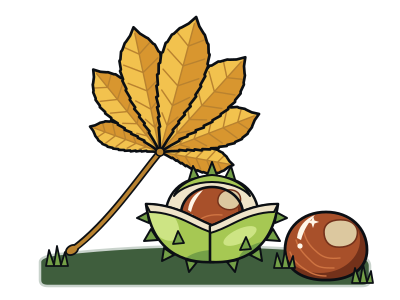
- Horse chestnutThe shiny conkers children play with come from this tree.
- FrankincenseA desert tree whose fragrant resin was traded across the ancient world.
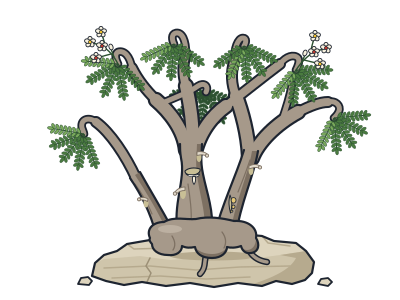
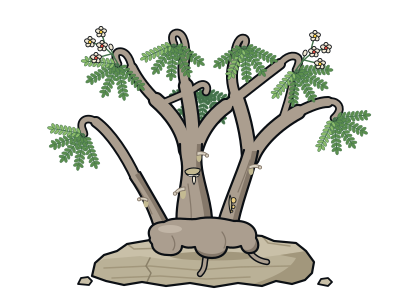
Next to it on the tree
- Cabbage familyMustards, cabbages and cress, flavoured by sharp chemicals that deter insects.
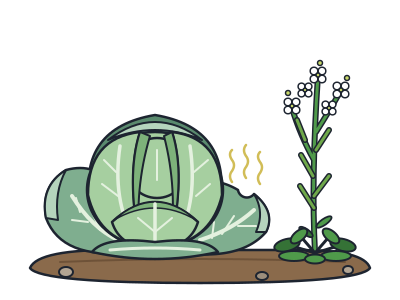
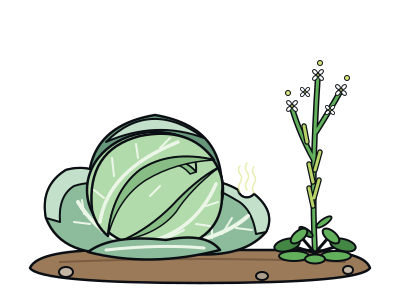
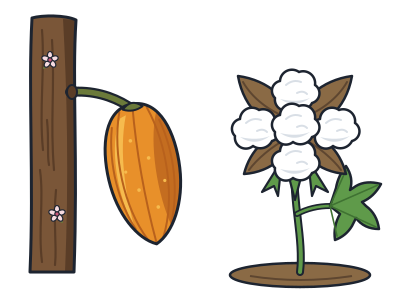
- Mallow familyCocoa, cotton, baobabs and hibiscus are all members of one family.
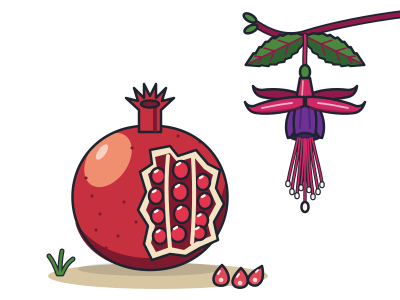
- Myrtle orderEucalyptus, cloves, pomegranates and fuchsias share one branch.
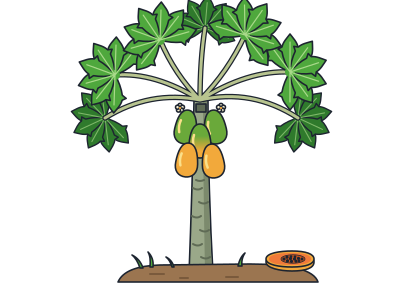
- PapayaA fast-growing fruit tree that can bear fruit in its first year.