A group of living things
Cabbages, cotton and citrus
malvids
Your dinner, your chocolate and your T-shirt come from the same branch.
This branch is shown at about 100 million years ago; its age is a rough estimate.
You and cabbages, cotton and citrus meet in the Eukaryotes branch, shown at about 1.8 billion years ago (on 28 July, in a calendar from life's shared ancestor to today).
A head of cabbage, a bar of chocolate, a cotton T-shirt, an orange and a maple tree look nothing alike. Yet they all sit on one branch of the flowering plant tree. This branch is one of the main groups within the rosids, a huge group of flowering plants. Roses, beans and oaks sit on a neighbouring branch.
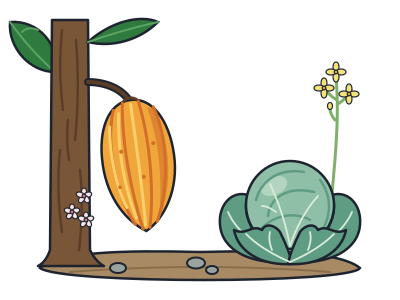
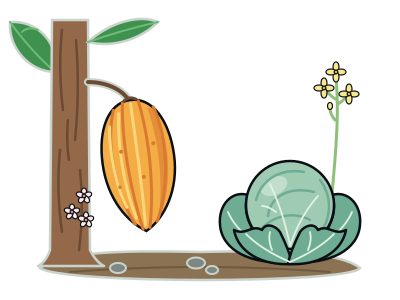
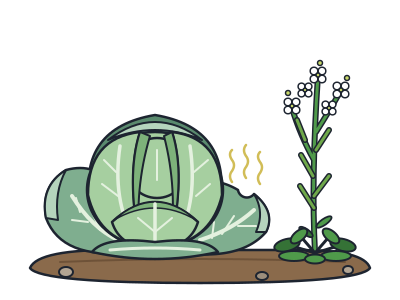
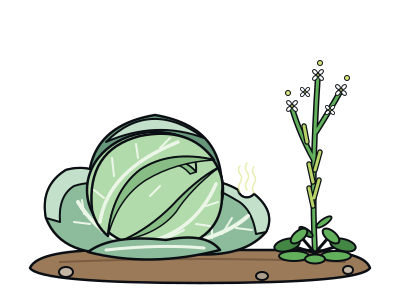
The cabbage family has more than 4,300 species, and its flowers usually have four petals arranged in a cross. Cabbage, broccoli, cauliflower and kale are not separate species. Farmers bred them all from one species, wild cabbage, over many generations. These plants make chemicals that turn sharp-tasting when a leaf is damaged, which puts off plant-eaters. That is the 'bite' in mustard and horseradish.
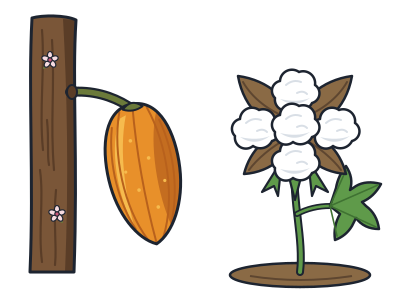
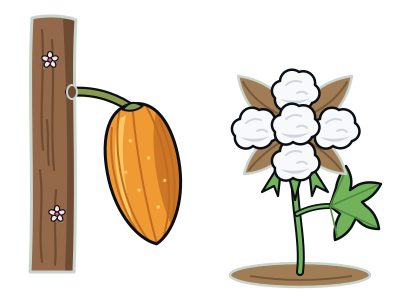
The mallow family includes cocoa, cotton, okra, hibiscus and the huge baobab tree. Cocoa pods grow straight out of the cacao tree's trunk and older branches. Each pod can be as long as a school ruler and holds about 20 to 60 seeds. These seeds are the cocoa beans used to make chocolate. Cotton fluff is made of hairs that grow on cotton seeds.
A third big group on this branch holds citrus fruits such as oranges and lemons. It also holds maples, horse-chestnuts, mangoes, cashews and lychees.
Chocolate's tiny helpers
Cacao flowers are only about 1 to 2 cm across. They are pollinated mainly by tiny flies called midges, not by bees.
Not that kind of lime
Linden trees, which many people in Britain call 'lime trees', are not close relatives of citrus limes. Lindens belong to the mallow family, with cocoa and cotton, while citrus sits on a different twig of this same branch.
Far from home
Cacao first grew in the tropical Americas. Yet in 2022 the country that grew the most cocoa beans was Côte d'Ivoire, in West Africa.
Inside cabbages, cotton and citrus
- Cabbage familyMustards, cabbages and cress, flavoured by sharp chemicals that deter insects.
- Mallow familyCocoa, cotton, baobabs and hibiscus are all members of one family.
- Citrus, maples and mangoesOranges, maples, mangoes and cashews are all close relatives.
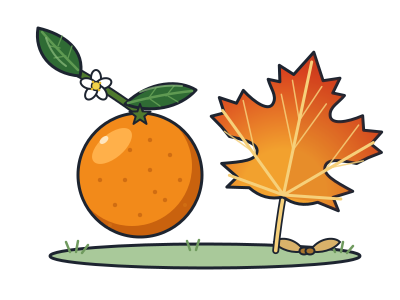
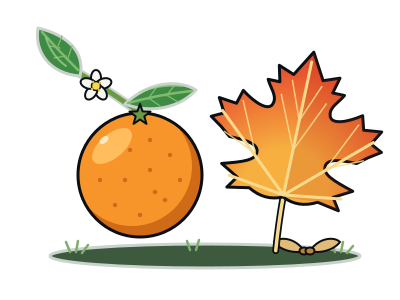
- Myrtle orderEucalyptus, cloves, pomegranates and fuchsias share one branch.
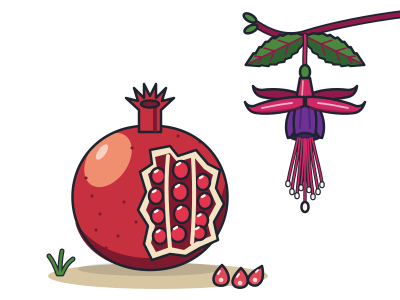
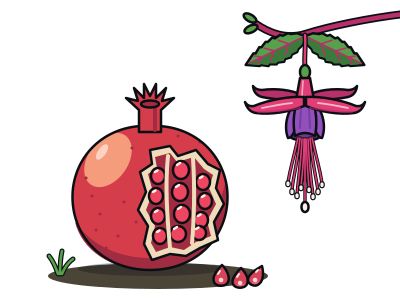
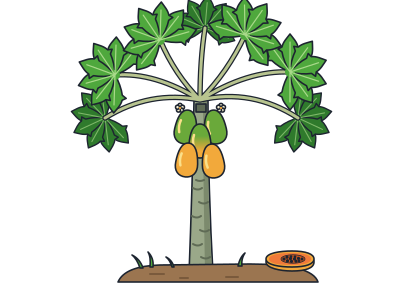
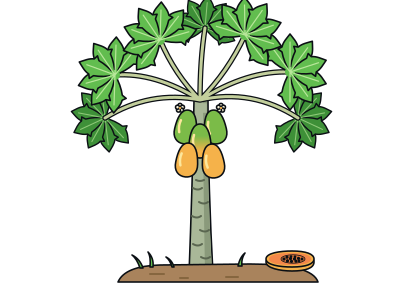
- PapayaA fast-growing fruit tree that can bear fruit in its first year.
Next to it on the tree
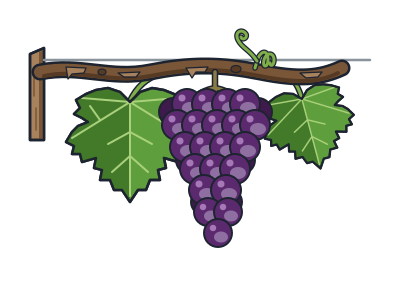
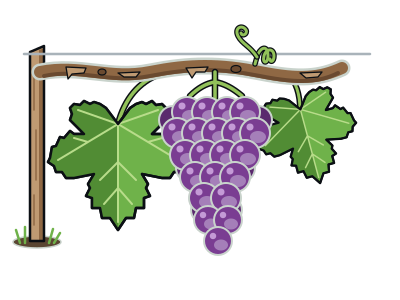
- GrapevineA climbing vine grown for wine for 8,000 years, from the sister group of all other rosids.
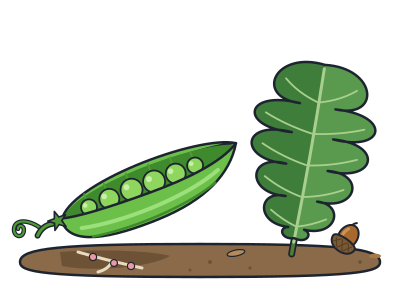
- Roses, beans and oaksRoses, peas, oaks, figs and pumpkins share one ancestor, many with root-nodule partners.
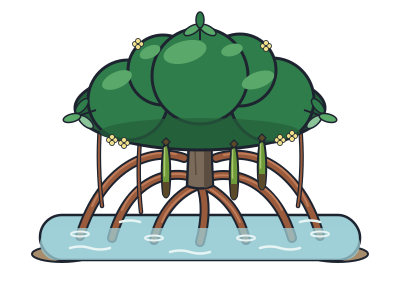
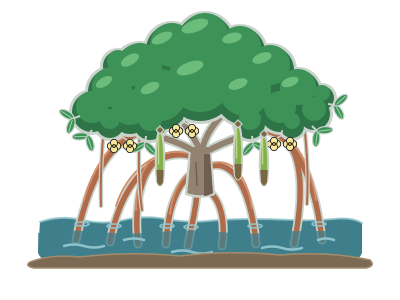
- Willows, rubber trees and kinA huge order that holds willows, poplars, rubber trees, mangroves and the largest flower.