A group of living things
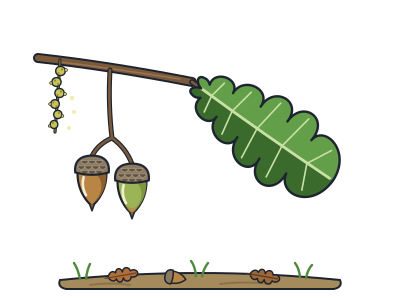
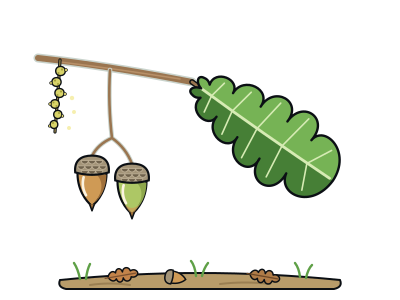
Roses, beans and oaks
fabids
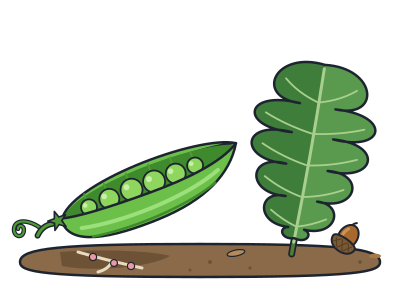
A rose, a pea, an oak and a pumpkin: one branch of life, and many with tiny helpers in their roots
This branch is shown at about 100 million years ago; its age is a rough estimate.
You and roses, beans and oaks meet in the Eukaryotes branch, shown at about 1.8 billion years ago (on 28 July, in a calendar from life's shared ancestor to today).
A rose, a pea, an oak tree, a fig and a pumpkin look nothing alike. Yet they all sit on one branch of the tree of life and share a single ancestor. The branch is full of familiar plants: apples, strawberries, cherries, almonds, beans, peanuts, walnuts, birches and wattles.
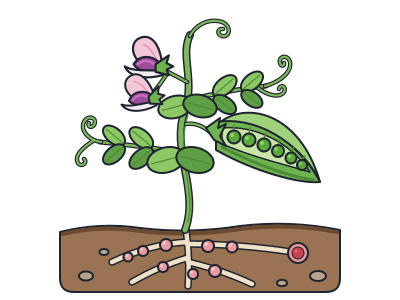
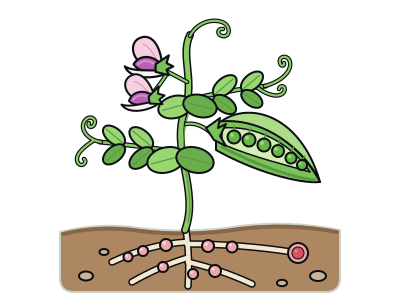
Many members have a hidden partnership. Their roots grow small lumps called nodules, and bacteria live inside them. The bacteria take nitrogen from the air and turn it into a form the plant can use. In return, the plant feeds them sugars. Peas, beans and clover do this. They belong to the legumes, the pea and bean family. Alders, she-oaks and sea buckthorn have nodules too, even though they are not legumes and use a different kind of bacteria.
Not every member has nodules, though. Oaks, figs, pumpkins, apples and most of the rose family do not. A 1995 study looked at the ten flowering-plant families then known to have these nodules. All ten landed on this one branch. That suggests the groundwork for this partnership may have appeared just once, in this group's family line.
This partnership matters to farmers. Plants with nodules need less nitrogen fertiliser, and many of them grow well in poor soil.
Maybe the first crop
Figs may have been the first plant people ever grew. Remains about 11,000 years old from the Jordan Valley appear to be older than the first farmed wheat or barley.
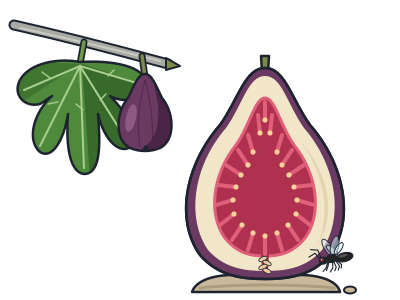
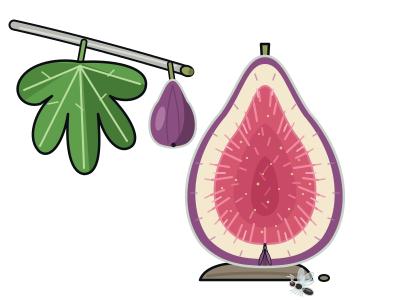
A fruit full of flowers
A fig is really a hollow, fleshy case lined inside with many tiny flowers. In the wild, a tiny wasp crawls in through a small hole to pollinate them.
As heavy as a car
Record-breaking giant pumpkins have weighed more than 1,200 kg, about as heavy as a small car. They are all bred from one squash species first farmed in South America more than 4,000 years ago.
Inside roses, beans and oaks
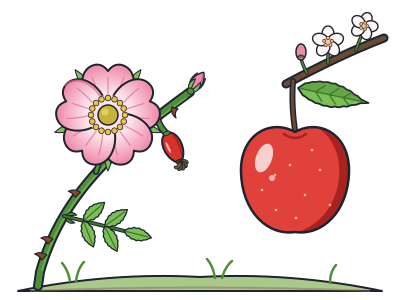
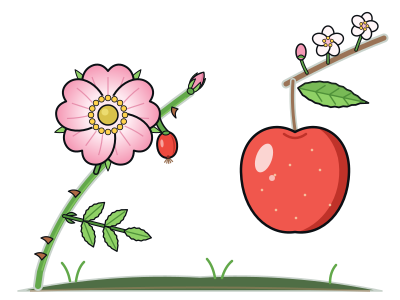
- Rose familyRoses share their family with apples, cherries, strawberries and almonds.
- LegumesPeas and beans that partner with soil bacteria to make their own fertiliser.
- Oaks, beeches and birchesWind-pollinated trees of temperate forests, including oaks, birches and walnuts.
- Common figIts flowers bloom inside the fruit, pollinated by tiny wasps that crawl in.
- Gourd familyClimbing vines with coiling tendrils that give us pumpkins, melons and cucumbers.
- BanyanIts hanging roots become new trunks, so one tree can cover a whole park.
- St Helena oliveA small island tree whose last plant died in 2003, despite efforts to save it.
Next to it on the tree
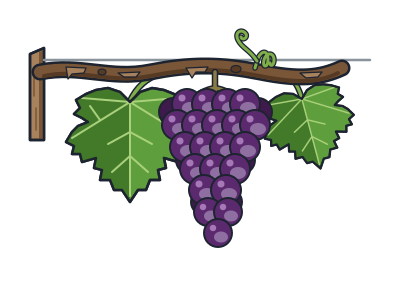
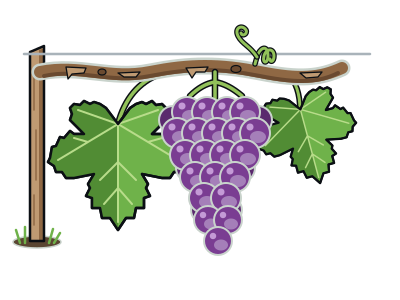
- GrapevineA climbing vine grown for wine for 8,000 years, from the sister group of all other rosids.
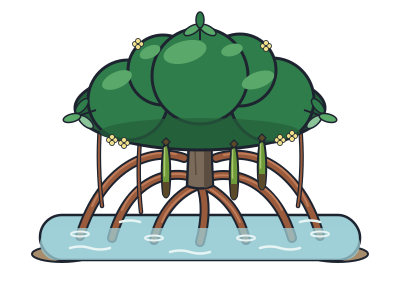
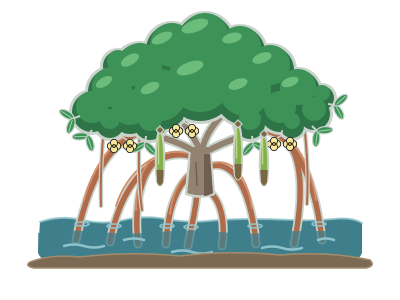
- Willows, rubber trees and kinA huge order that holds willows, poplars, rubber trees, mangroves and the largest flower.
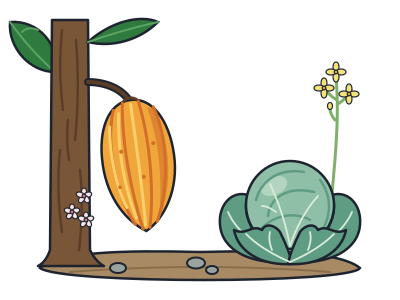
- Cabbages, cotton and citrusCabbages, cocoa, cotton, oranges and maples share one branch.