A species
Banyan
Ficus benghalensis
Its hanging roots become new trunks, so one tree can cover a whole park.
You and the banyan meet in the Eukaryotes branch, shown at about 1.8 billion years ago (on 28 July, in a calendar from life's shared ancestor to today).
EukaryotesAmoebas, fungi and animalsFungi and animalsAnimals and their single-celled cousinsAnimalsTwo-sided animalsStarfish, sea squirts and usChordatesVertebratesJawed vertebratesBony fish and their descendantsLobe-finned fishFish on the way to landFour-limbed animalsAmniotesMammals and their ancestorsMammalsLive-bearing mammalsPlacental mammalsPrimates, rodents and rabbitsPrimatesApesGreat apesHumans and chimpanzeesHumanPlants and red algaeGreen plantsLand plants and their algal kinLand plantsVascular plantsFerns and seed plantsSeed plantsFlowering plantsEudicotsRosidsRoses, beans and oaksBanyan
Its hanging roots become new trunks, so one tree can cover a whole park.
The full page for Banyan is still being written and drawn.
Next to it on the tree
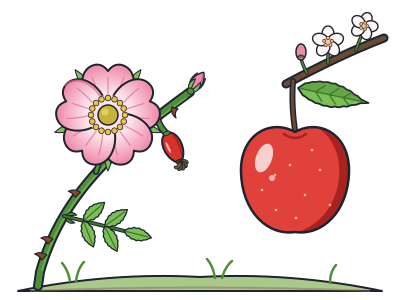
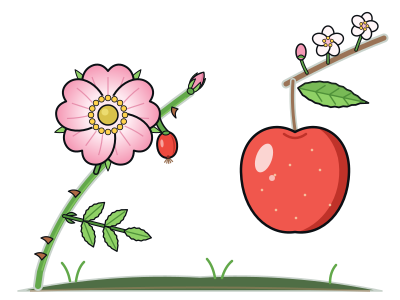
- Rose familyRoses share their family with apples, cherries, strawberries and almonds.
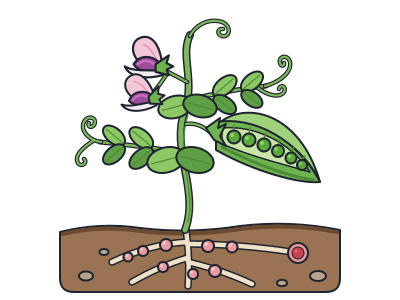
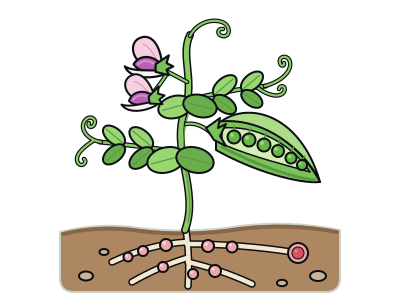
- LegumesPeas and beans that partner with soil bacteria to make their own fertiliser.
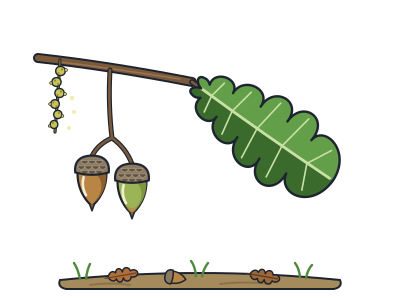
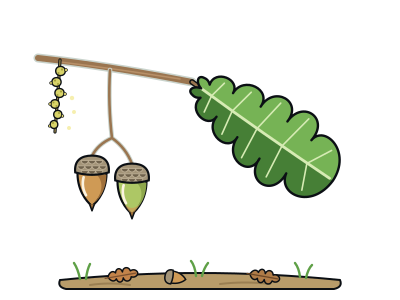
- Oaks, beeches and birchesWind-pollinated trees of temperate forests, including oaks, birches and walnuts.
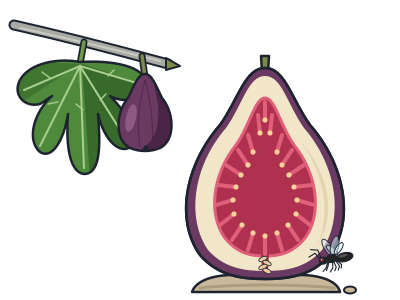
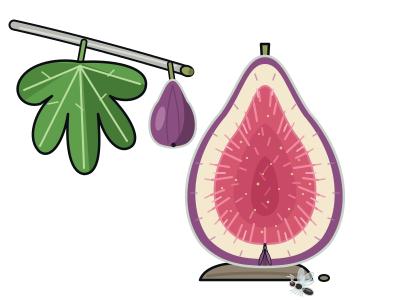
- Common figIts flowers bloom inside the fruit, pollinated by tiny wasps that crawl in.
- Gourd familyClimbing vines with coiling tendrils that give us pumpkins, melons and cucumbers.
- St Helena oliveA small island tree whose last plant died in 2003, despite efforts to save it.