A group of living things
Rose family
Rosaceae
Roses, apples, cherries and strawberries: one big flowering family
This branch is shown at about 70 million years ago; its age is a rough estimate.
You and rose family meet in the Eukaryotes branch, shown at about 1.8 billion years ago (on 28 July, in a calendar from life's shared ancestor to today).
The rose in your garden has some surprising relatives. Apples, pears, cherries, plums, strawberries, raspberries and almonds all belong to the same plant family. A bunch of roses and a bowl of apples and cherries are more closely related than they look.
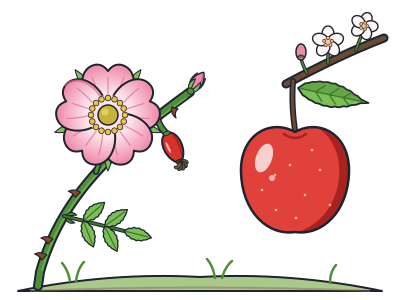
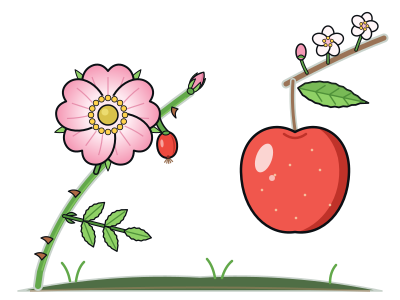
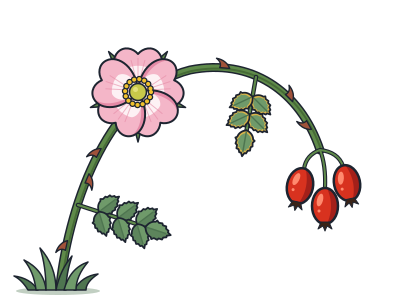
You can see the family likeness in the flowers. A typical one has five petals, five sepals and many stamens. Wild roses and apple blossom share this simple, open shape.
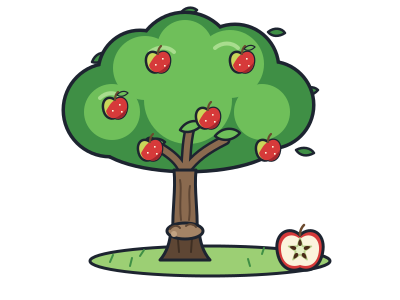
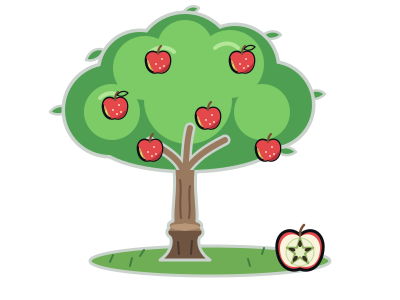
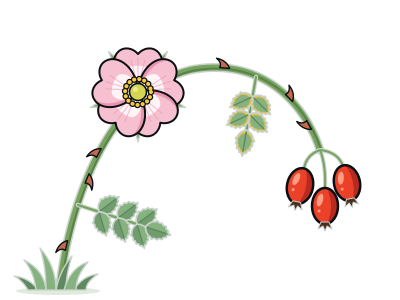
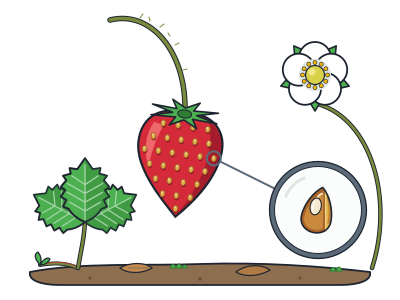
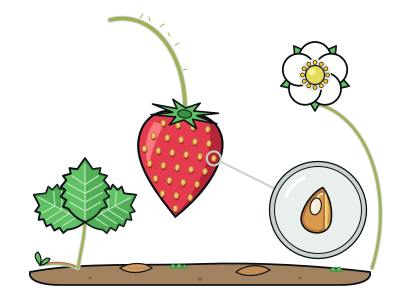
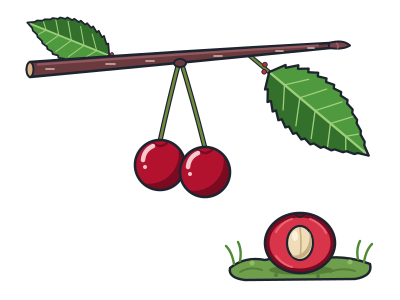
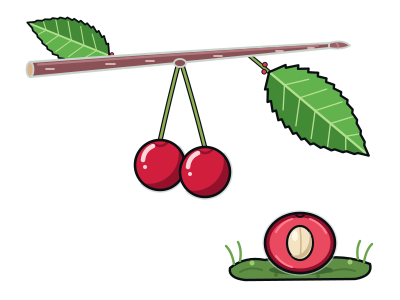
The fruits are where the family gets creative. Cherries and almonds are stone fruits, with a hard stone around the seed, and the almond we eat is that seed. An apple's core usually holds five seed chambers, but most of the flesh grows from flower tissue around them. Wild roses such as the dog rose make red fruits called hips. Strangest of all, a strawberry's red flesh is the swollen base of the flower, and each 'seed' on the outside is a tiny fruit of its own.
There are about 4,800 kinds, from low strawberry plants to tall trees. They grow on every continent except Antarctica, but mostly in the cooler northern half of the world. They are mostly missing from deserts and tropical rainforests.
Apples began in the mountains
The apples we eat come mainly from a wild apple that still grows in the mountains of Central Asia, especially southern Kazakhstan.
Thousands of apples
There are more than 7,500 known apple varieties. In 2024 the world grew about 98 million tonnes of apples, and about half came from China.
A crop superstar
The rose family is counted among the six most important plant families for crops. It also gives gardens hawthorns and rowans.
Inside rose family
- AppleEvery apple variety is grafted, because seeds grow into trees unlike their parent.
- Dog roseA wild hedgerow rose whose red hips are rich in vitamin C.
- Woodland strawberryThe 'seeds' on the outside are the real fruits; the red part is a swollen stem.
- Wild cherrySame genus as plums, peaches and almonds, all with a stony pit.
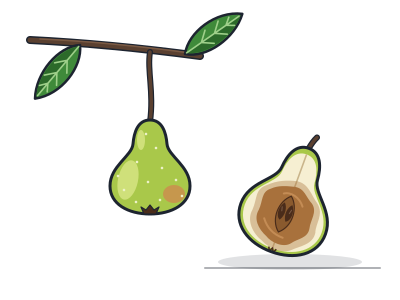
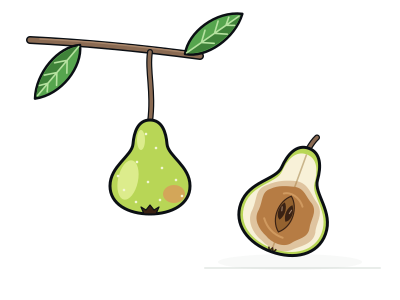
- PearIts fruit ripens from the inside out, which is why pears are picked hard.
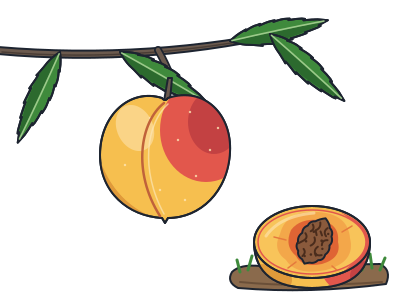
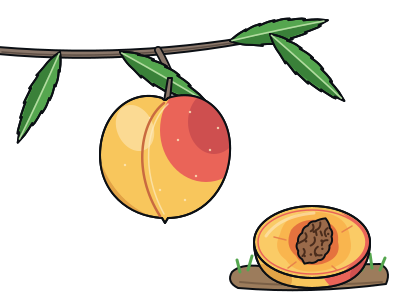
- PeachDespite its Latin name meaning Persian, the peach comes from China.
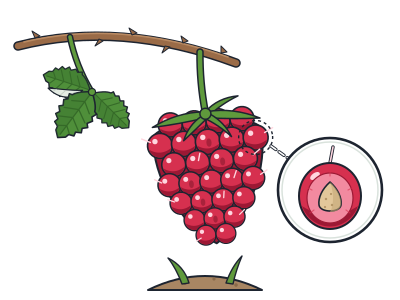
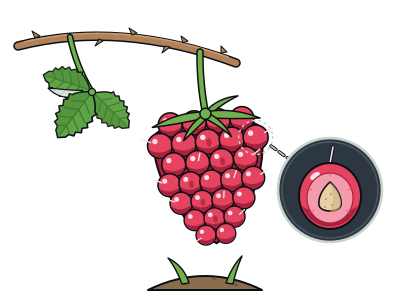
- RaspberryEach berry is a cluster of tiny fruits, each with its own seed.
Next to it on the tree
- LegumesPeas and beans that partner with soil bacteria to make their own fertiliser.
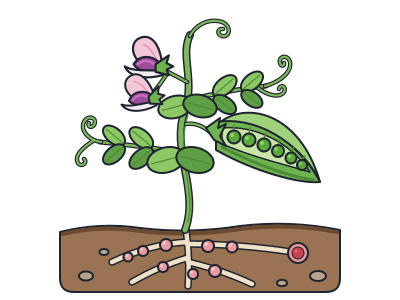
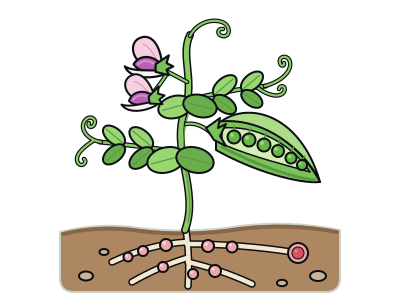
- Oaks, beeches and birchesWind-pollinated trees of temperate forests, including oaks, birches and walnuts.
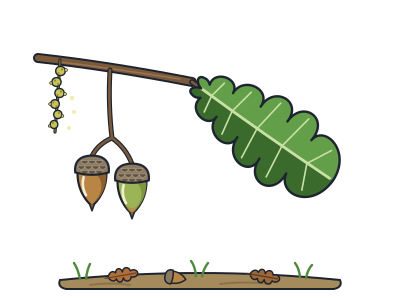
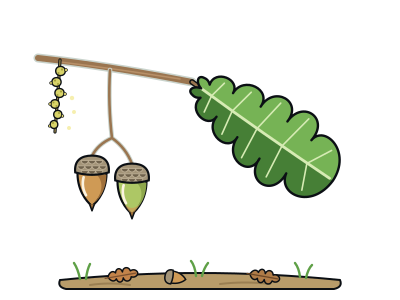
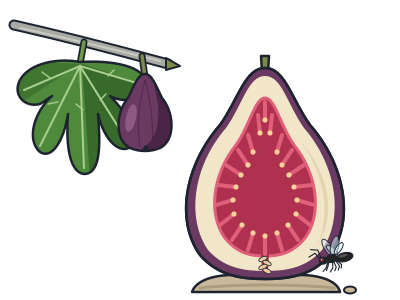
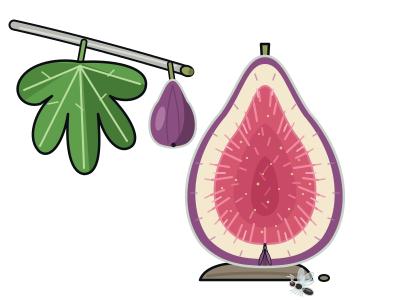
- Common figIts flowers bloom inside the fruit, pollinated by tiny wasps that crawl in.
- Gourd familyClimbing vines with coiling tendrils that give us pumpkins, melons and cucumbers.
- BanyanIts hanging roots become new trunks, so one tree can cover a whole park.
- St Helena oliveA small island tree whose last plant died in 2003, despite efforts to save it.