A species
Peach
Prunus persica
A 'Persian' fruit that really comes from China
You and the peach meet in the Eukaryotes branch, shown at about 1.8 billion years ago (on 28 July, in a calendar from life's shared ancestor to today).
Its name sounds Persian, but the peach comes from China. The Romans called it the 'Persian apple' because they thought it came from Persia, which is now Iran. Over time that name became the English word 'peach'. Genetic studies show that its real home is China. From there it travelled west along trade routes later known as the Silk Road to Persia, and then on to Europe.
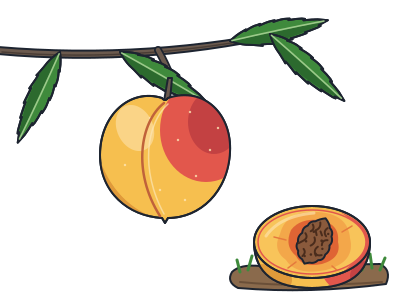
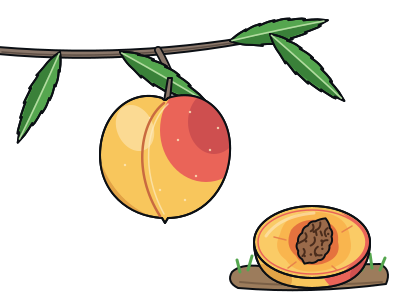
Wild peaches grew long before there were farmers. Fossil peach stones about 2.5 million years old were found near Kunming in south-west China, and they look just like the stones in today's fruit. People began growing peaches in eastern China about 8,000 years ago. Later they bred the fruit to be bigger and more varied.
The peach belongs to the rose family, along with apples, pears, strawberries and raspberries. Within that family it shares a smaller group with cherries, plums and almonds. Its closest living relatives of all are wild peaches from western China. A nectarine is not a separate species. It is simply a peach with smooth skin instead of fuzzy skin.
Still a Chinese crop
In 2024 China grew about 63% of the world's peaches and nectarines, roughly 17.6 million tonnes.
Flowers first
Peach trees burst into pink blossom in spring, before any leaves come out. Most kinds need a long cold spell in winter before they will flower properly.
Don't eat the seed
The almond-like seed inside a peach stone contains a substance that can release cyanide, a poison. Unlike the sweet almonds we buy to eat, it is not safe to eat.
Next to it on the tree
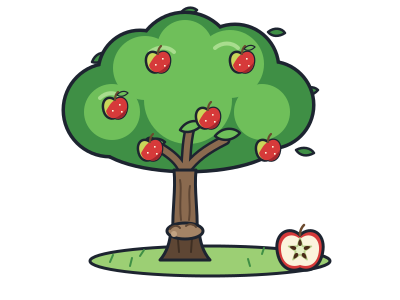
- AppleEvery apple variety is grafted, because seeds grow into trees unlike their parent.
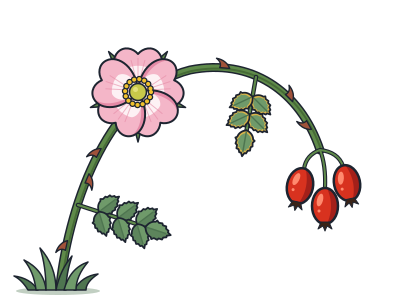
- Dog roseA wild hedgerow rose whose red hips are rich in vitamin C.
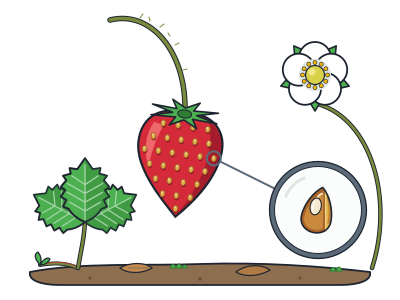
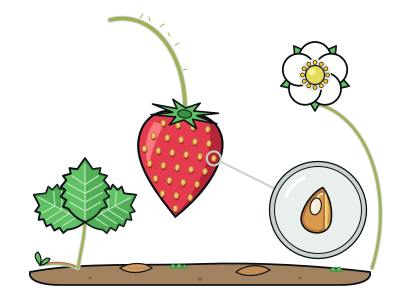
- Woodland strawberryThe 'seeds' on the outside are the real fruits; the red part is a swollen stem.
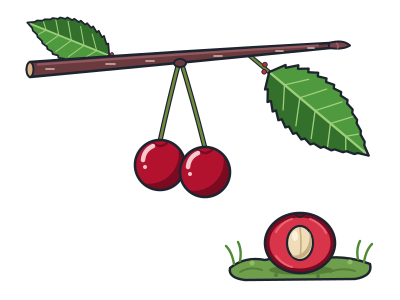
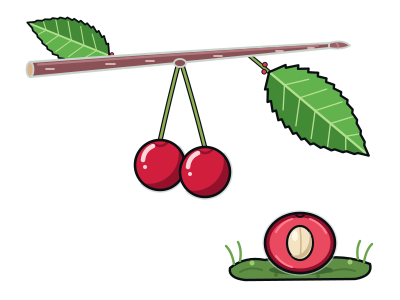
- Wild cherrySame genus as plums, peaches and almonds, all with a stony pit.
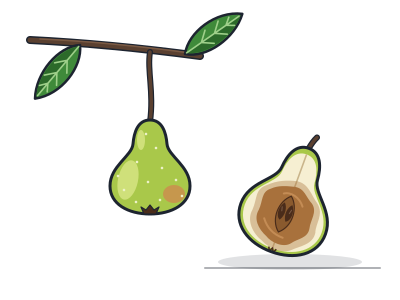
- PearIts fruit ripens from the inside out, which is why pears are picked hard.
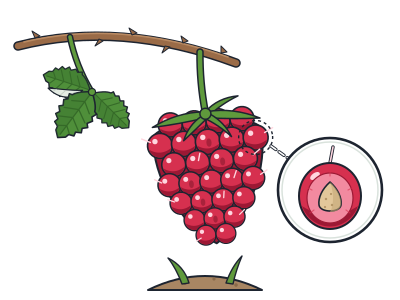
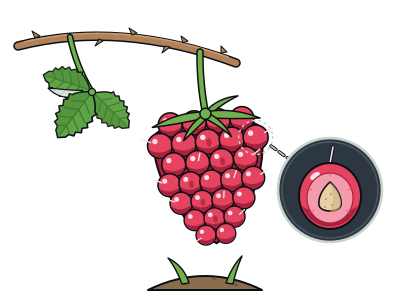
- RaspberryEach berry is a cluster of tiny fruits, each with its own seed.