A species
Dog rose
Rosa canina
A wild hedgerow rose with bright red hips packed with vitamin C.
You and the dog rose meet in the Eukaryotes branch, shown at about 1.8 billion years ago (on 28 July, in a calendar from life's shared ancestor to today).
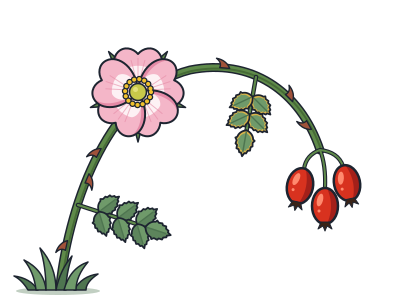
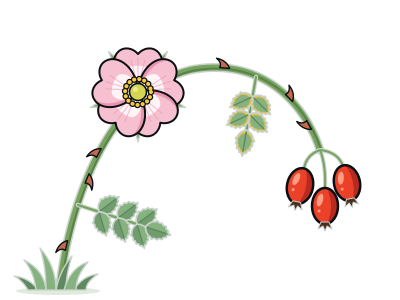
In autumn, the dog rose is dotted with glossy red hips about 1.5 to 2 cm long. By late autumn the leaves have fallen, leaving the hips bright on bare, thorny stems. These hips are packed with vitamin C. Studies report that they have some of the highest levels of any fruit or vegetable, but the amount varies a lot from plant to plant.
During the Second World War, oranges and lemons were scarce in Britain because shipping was restricted. So children in the countryside collected rose hips through school, the Girl Guides or the Scouts. The hips were made into National Rose Hip Syrup to help keep children healthy.
The dog rose is a wild shrub, usually about 1 to 5 metres tall. It scrambles through hedges using hooked prickles. In June and July it has sweet-smelling pale pink or white flowers with five petals. It is the most common native wild rose in Britain, and it grows wild across Europe, north-west Africa and western Asia.
It may look nothing like an orchard tree, but the dog rose belongs to the rose family. That makes it a relative of apples, cherries and strawberries, the plants that sit beside it on the tree of life.
Half a day's vitamin C
One teaspoon a day of the wartime rose hip syrup gave a child about half the vitamin C they needed. It had to be used within about six months, because the vitamin C faded over time.
An autumn feast
Birds and small mammals such as bank voles eat the hips in autumn. People turn them into jam and tea too.
Unwelcome abroad
People have taken dog roses to other parts of the world. In the USA they were planted in wartime 'victory gardens' at home. They are now treated as a weed in Australia, New Zealand and parts of the USA.
Next to it on the tree
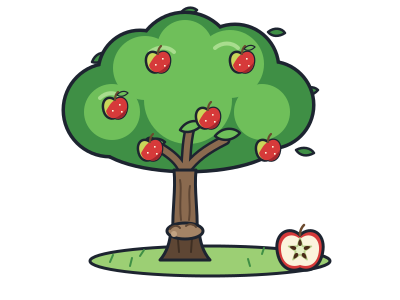
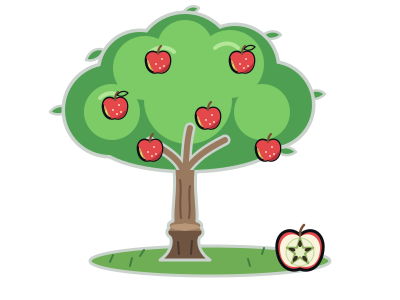
- AppleEvery apple variety is grafted, because seeds grow into trees unlike their parent.
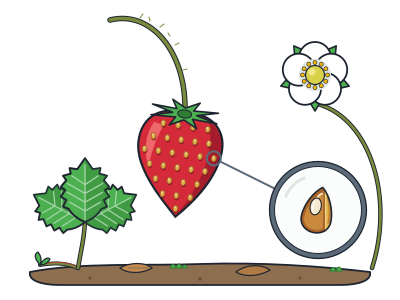
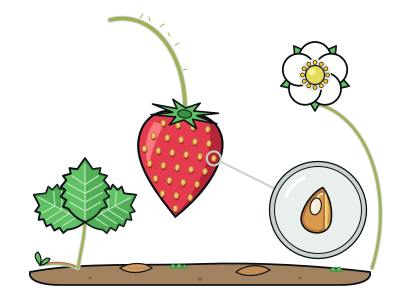
- Woodland strawberryThe 'seeds' on the outside are the real fruits; the red part is a swollen stem.
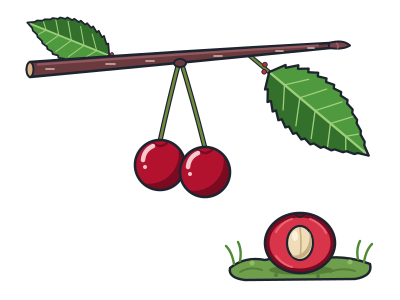
- Wild cherrySame genus as plums, peaches and almonds, all with a stony pit.
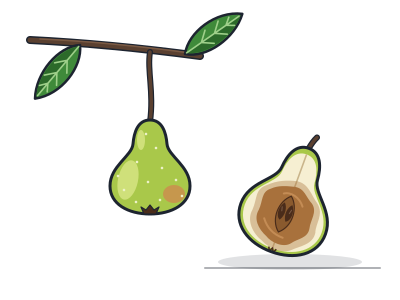
- PearIts fruit ripens from the inside out, which is why pears are picked hard.
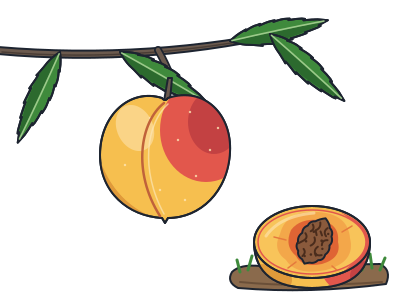
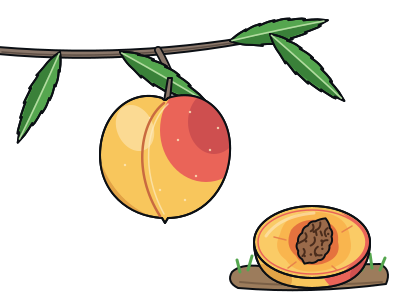
- PeachDespite its Latin name meaning Persian, the peach comes from China.
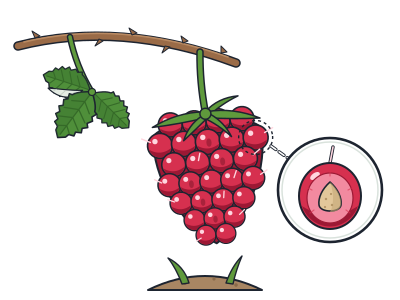
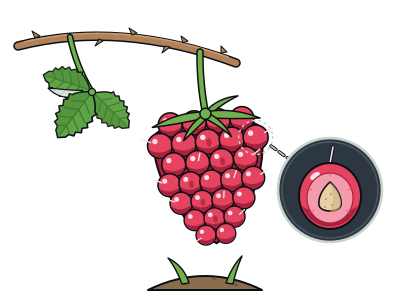
- RaspberryEach berry is a cluster of tiny fruits, each with its own seed.