A group of living things
Mallow family
Malvaceae
Chocolate, cotton, baobabs and hibiscus: one surprising family
This branch is shown at about 50 million years ago; its age is a rough estimate.
You and mallow family meet in the Eukaryotes branch, shown at about 1.8 billion years ago (on 28 July, in a calendar from life's shared ancestor to today).
A bar of chocolate, a cotton T-shirt, a giant baobab tree and a bright hibiscus flower all come from the same plant family. These very different plants are relatives. The family has about 4,200 known species, from small herbs and garden shrubs to huge trees.
For a long time, botanists split them up. Cacao sat in one family, baobabs in another and linden trees in a third. Then DNA studies showed that those old families were not true natural groups. So they were all folded into one big mallow family.
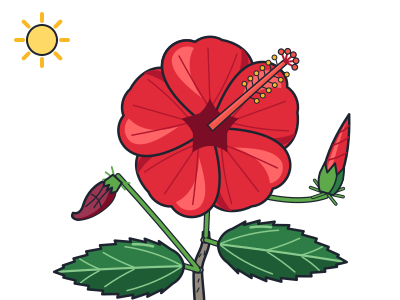
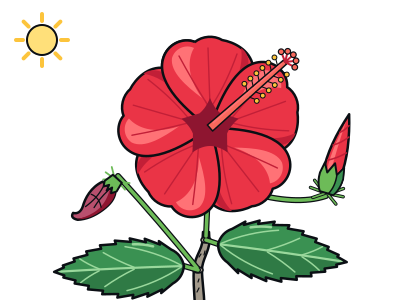
Look closely at the flowers and you can see the family likeness. Most have five petals. The stamens, the parts that make pollen, are joined at their base, and in many members they form a tube. In hibiscus, this column sticks right out of the middle of the flower. Many members also have tiny star-shaped hairs and slimy sap in their stems.
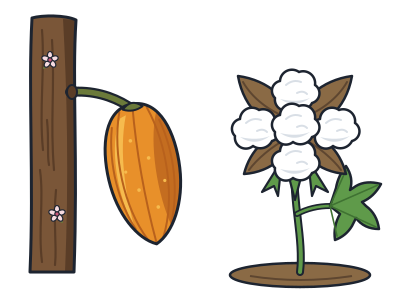
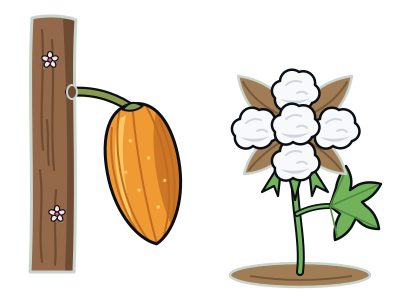
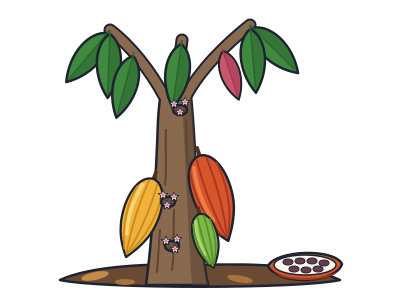
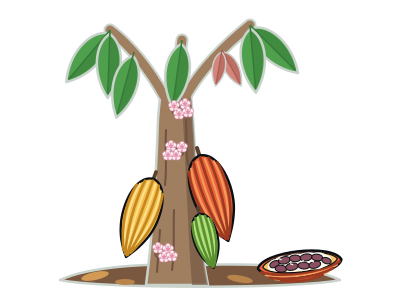
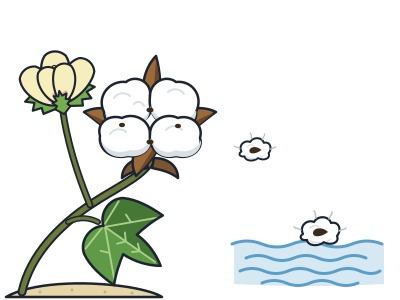
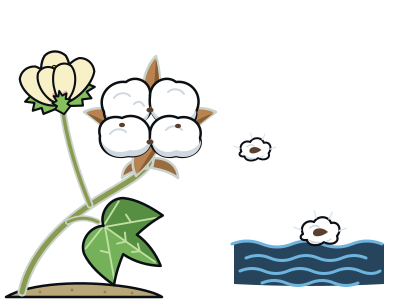
The family grows worldwide but is richest in the tropics. Cacao trees grow their flowers and pods straight from the trunk and older branches, not at the tips of twigs. The fluff on a cotton plant is not petals. It is fibre that grows around the seeds inside a case called a boll.
Tiny pollinators
Cacao flowers are pollinated mainly by tiny biting midges rather than by bees.
The other 'lime'
Linden trees, also called lime trees, belong to the mallow family. The citrus lime you squeeze on food is only a distant relative. It belongs to the citrus and maple group.
Colour-changing flowers
Upland cotton flowers open cream-coloured and turn pink as they age.
Inside mallow family
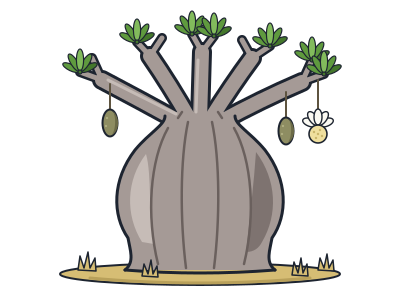
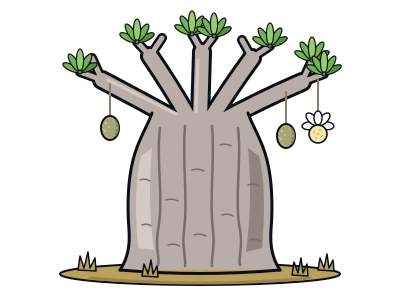
- BaobabA fat-trunked African tree that stores water and can live for over 2,000 years.
- Cacao treeChocolate comes from seeds in pods that grow straight out of the trunk.
- Upland cottonThe fluffy fibres are seed hairs that help the seeds float and spread.
- Chinese hibiscusBig tropical flowers that last a single day.
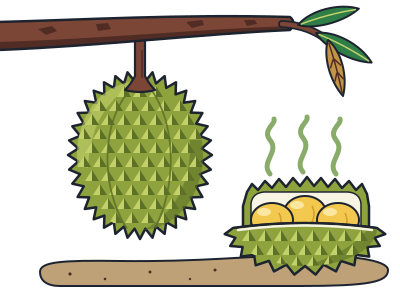
- DurianA spiky fruit so smelly it is banned on some public transport.
Next to it on the tree
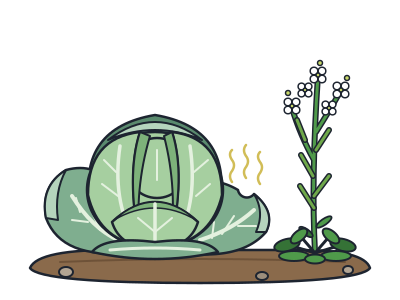
- Cabbage familyMustards, cabbages and cress, flavoured by sharp chemicals that deter insects.
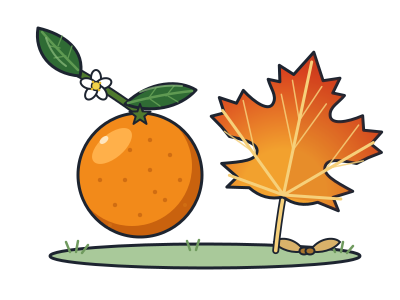
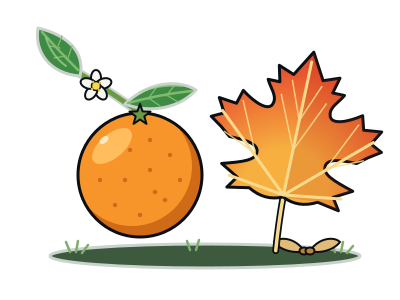
- Citrus, maples and mangoesOranges, maples, mangoes and cashews are all close relatives.
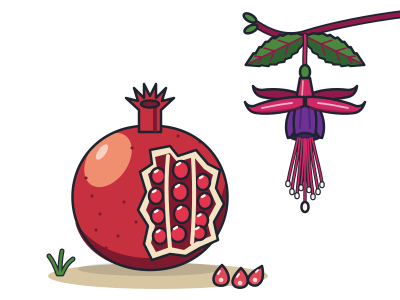
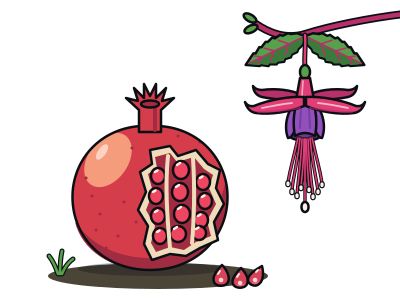
- Myrtle orderEucalyptus, cloves, pomegranates and fuchsias share one branch.
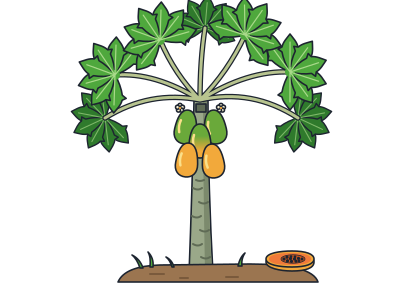
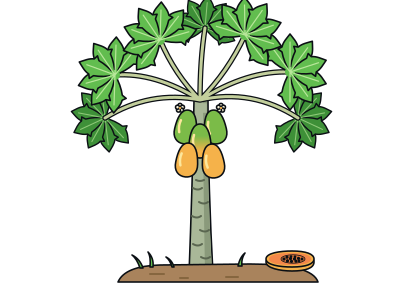
- PapayaA fast-growing fruit tree that can bear fruit in its first year.