A species
Durian
Durio zibethinus
The spiky fruit so smelly it's banned on some trains, yet a relative of cotton and cacao.
You and the durian meet in the Eukaryotes branch, shown at about 1.8 billion years ago (on 28 July, in a calendar from life's shared ancestor to today).
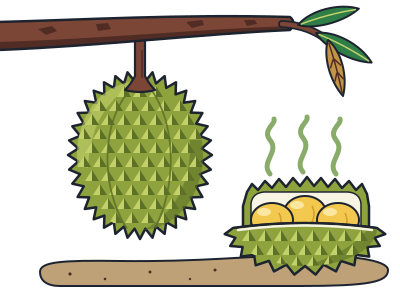
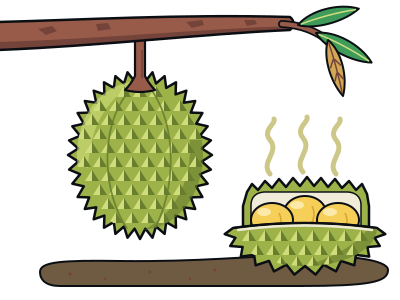
Imagine a fruit so smelly that it is banned on some trains and buses. Durians have not been allowed on Singapore's MRT trains since 1988, because their smell lingers long after the fruit is gone. In 2023, Bangkok's city bus authority banned them from its buses, and some hotels keep them out too. People have compared the smell to rotten onions and gym socks. Yet in parts of Asia, durian is called the 'king of fruits'.
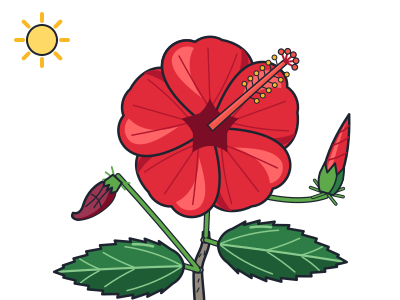
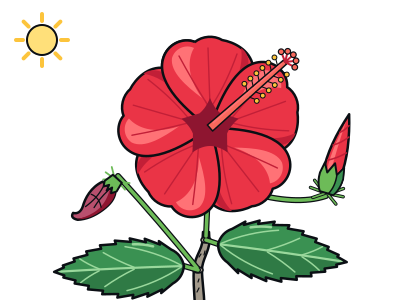
Durian looks a bit like a jackfruit, but the two are not close relatives. Its real family is more surprising. It belongs to the mallow family, along with cotton, hibiscus, baobab trees and the cacao tree that gives us chocolate.
Durian trees grow wild in the rainforests of Borneo and Sumatra. They can grow up to about 40 metres tall, as high as a 13-storey building. The fruit can grow as big as a rugby ball and is covered in sharp, pyramid-shaped spines. Its name comes from 'duri', the Malay word for thorn. Inside, soft, very sweet flesh wraps around big seeds.
The tree's flowers hang in bunches straight from its older branches. They open in the late afternoon and are mostly pollinated at night by bats that come to drink their nectar.
Turbocharged smell
In 2017, scientists in Singapore read the full set of genes of a durian variety called Musang King. It has about 46,000 genes, about twice as many as humans have. It also has four copies of genes that help make its smelly sulfur chemicals. Most plants have only one or two.
False gas alarm
In 2019, about 550 people were evacuated from the University of Canberra library because of a suspected gas leak. The smell turned out to come from a durian left in a bin.
Custard and almonds
In an 1856 article about the bamboo and durian of Borneo, the naturalist Alfred Russel Wallace wrote that the smell of the ripe fruit is 'at first disagreeable'. For its taste, he said 'a rich custard highly flavoured with almonds' gives the best general idea.
Next to it on the tree
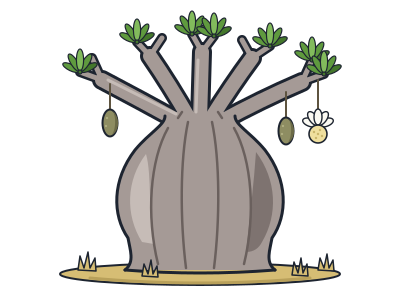
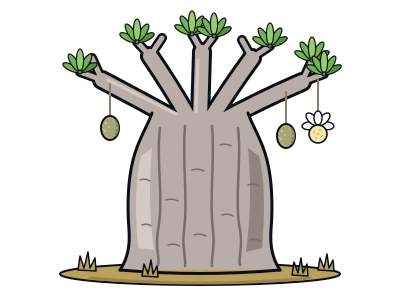
- BaobabA fat-trunked African tree that stores water and can live for over 2,000 years.
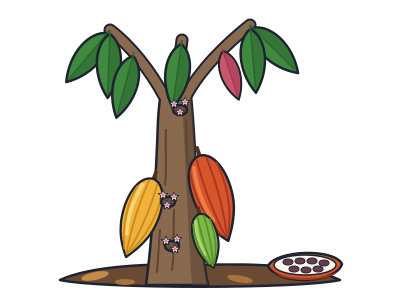
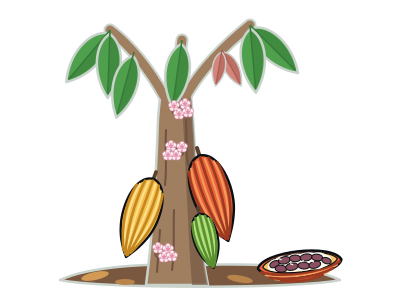
- Cacao treeChocolate comes from seeds in pods that grow straight out of the trunk.
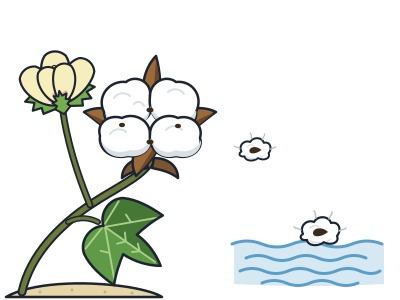
- Upland cottonThe fluffy fibres are seed hairs that help the seeds float and spread.
- Chinese hibiscusBig tropical flowers that last a single day.