A species
Papaya
Carica papaya
A speedy, tree-like plant that can give you fruit within a year
You and the papaya meet in the Eukaryotes branch, shown at about 1.8 billion years ago (on 28 July, in a calendar from life's shared ancestor to today).
Plant a papaya seed somewhere warm, and you could be eating its fruit within a year. In its first year it can grow about 2 to 3 metres, taller than a grown-up. In hot climates it often bears fruit about 6 to 9 months after planting.
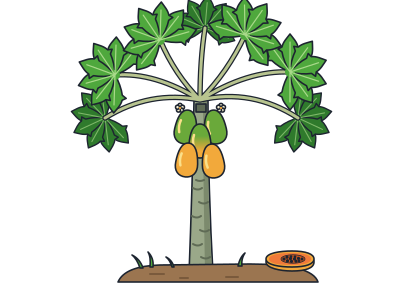
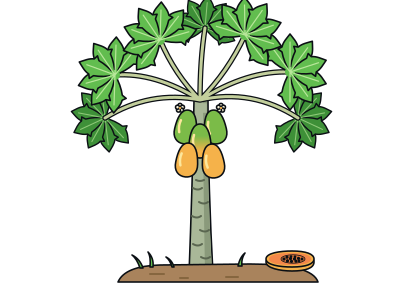
It looks like a small palm tree, but it is not really a tree. Its trunk has no true wood and is hollow inside, so it is often called a giant herb. A straight trunk, usually unbranched and about 5 to 10 metres tall, holds a crown of huge, hand-shaped leaves. Each leaf can be nearly as wide as a bicycle wheel. The fruits hang in a bunch straight off the trunk, just below the leaves.
Its fruit looks a bit like a melon, but papaya is not a close relative of melons. Instead, it sits in the same plant group as cabbage, mustard and broccoli. That is a surprising family for a juicy tropical fruit!
Living fast has a cost. A papaya plant bears well for only about two years and then slows down. Farmers usually replace their plants after three or four years.
Three kinds of plant
Papaya plants can be male, female, or hermaphrodite, with flowers that have both male and female parts. Most farms grow hermaphrodite plants, partly because their flowers can pollinate themselves.
A meat softener
Green papayas ooze a milky sap. It contains papain, a natural substance that breaks down protein and is used to make meat more tender.
A genome first
In 2008, papaya became the first genetically engineered crop to have its genome read. The variety had been engineered to resist a virus that had badly damaged Hawaii's papaya farms.
Next to it on the tree
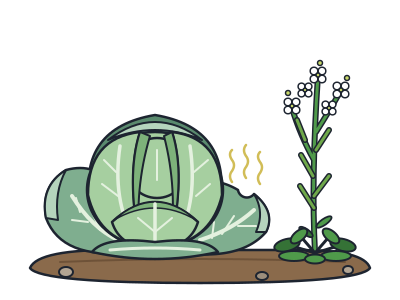
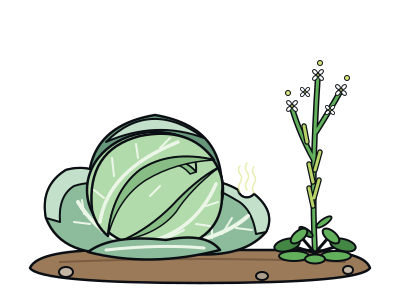
- Cabbage familyMustards, cabbages and cress, flavoured by sharp chemicals that deter insects.
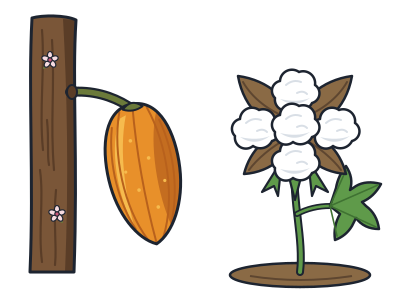
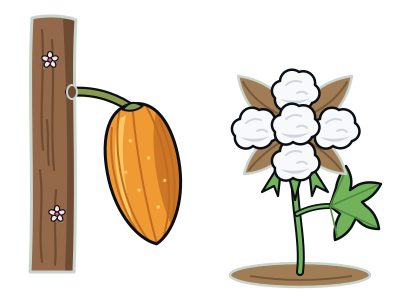
- Mallow familyCocoa, cotton, baobabs and hibiscus are all members of one family.
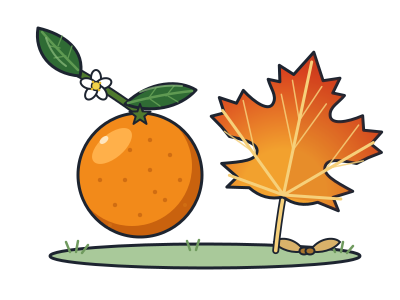
- Citrus, maples and mangoesOranges, maples, mangoes and cashews are all close relatives.
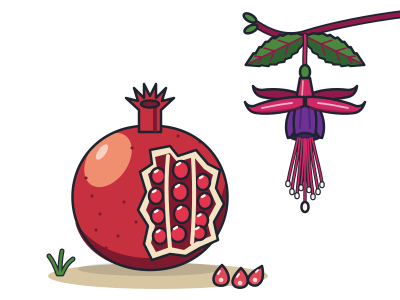
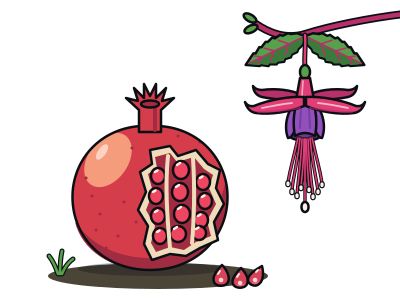
- Myrtle orderEucalyptus, cloves, pomegranates and fuchsias share one branch.