A species
Fuchsia
Fuchsia magellanica
Red-and-purple ballerinas that dance for hummingbirds in Chile's forests
You and the fuchsia meet in the Eukaryotes branch, shown at about 1.8 billion years ago (on 28 July, in a calendar from life's shared ancestor to today).
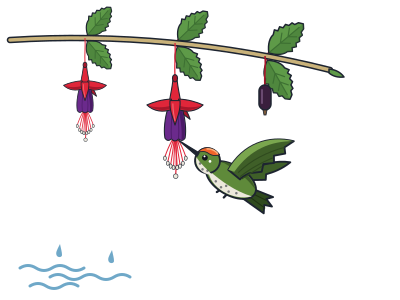
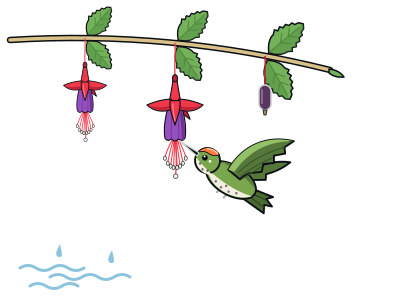
Each flower hangs from a thin stalk like a tiny ballerina. Four bright red sepals spread out like a skirt, with a bell of four purple petals tucked inside. Long stamens dangle below. In the cool, damp forests of southern Chile, a small hummingbird called the green-backed firecrown comes to these flowers. It pushes its bill up into the long flower tube to drink nectar and picks up pollen, which it carries on to the next flower. A native bumblebee helps with pollination too.
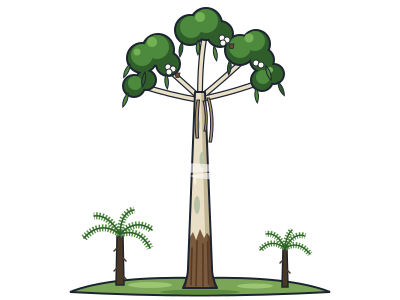
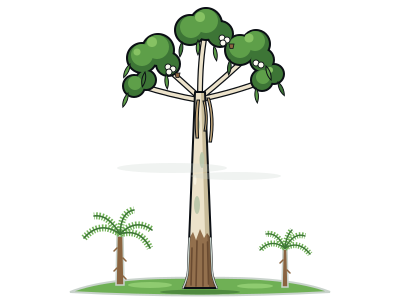
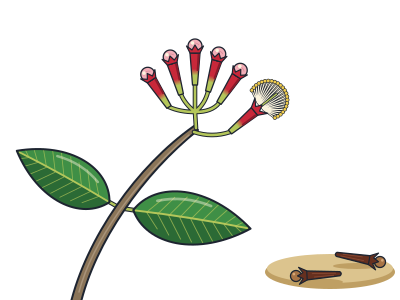
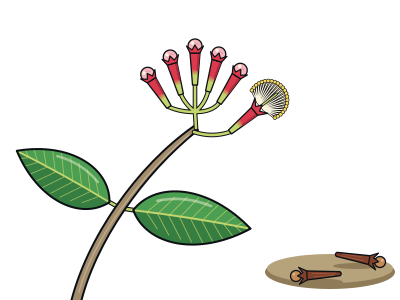
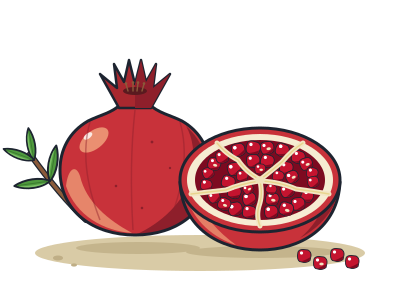
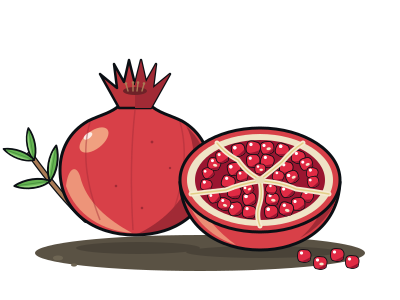
The family connection may surprise you. This shrub belongs to the evening primrose family, which is part of the myrtle order. That makes it a relative of eucalyptus trees such as the mountain ash, and of cloves and pomegranates.
Where winters are mild, it grows into a bushy shrub about 1 to 3 metres tall. You can find it at forest edges, in clearings and beside streams, from central Chile south to the Strait of Magellan, and in southern Argentina. Hard frost can kill the top of the plant, but it can grow back from the base. Once a flower has been pollinated, it turns into a small black berry about 1 to 2 centimetres long.
A watery name
In Chile it is called 'chilco'. The name comes from Mapudungun, the language of the Mapuche people, and means 'watery'.
Named after a botanist
The fuchsia group is named after Leonhart Fuchs, a German botanist who lived in the 1500s. The French botanist Charles Plumier found the first known fuchsia on the Caribbean island of Hispaniola around 1696.
A fuchsia tree
Most fuchsias are shrubs, but one in New Zealand, the kōtukutuku, can grow into a real tree up to about 12 to 15 metres tall.