A species
Pomegranate
Punica granatum
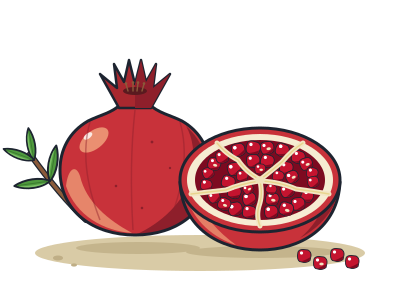
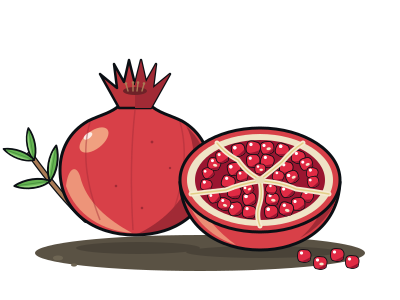
A leathery fruit packed with hundreds of ruby-red, juicy seed coats.
You and the pomegranate meet in the Eukaryotes branch, shown at about 1.8 billion years ago (on 28 July, in a calendar from life's shared ancestor to today).
Cut a pomegranate open and you find hundreds of shiny red beads packed together like jewels in a treasure box. Each bead is a juicy coat wrapped around one small, hard seed. One fruit can hold a few hundred to more than a thousand of them. Thin papery walls and white spongy tissue split the inside into chambers, and the seeds are crammed into them.
Why so juicy? The coats probably tempt animals to eat the seeds and carry them off, which helps the plant spread to new places. The juice tastes sweet and sour at the same time, and it can stain clothes for good.
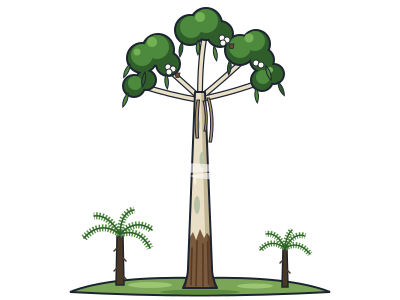
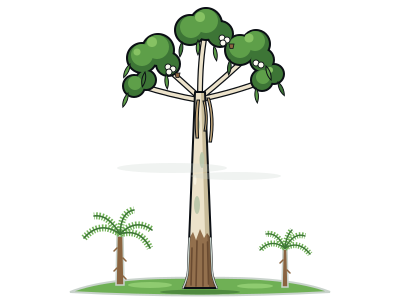
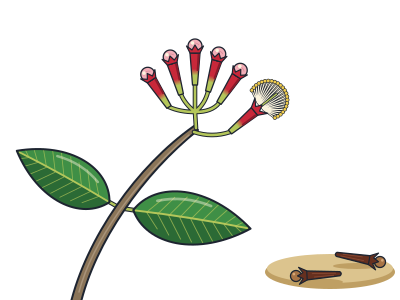
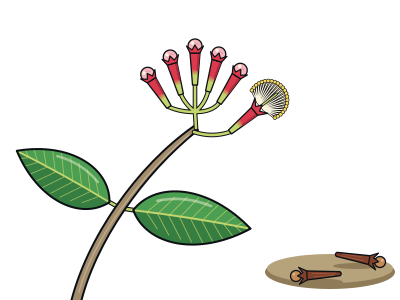
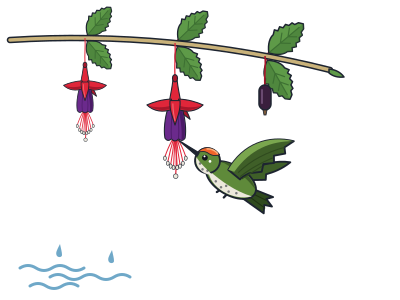
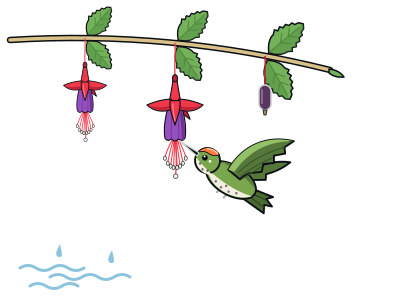
Its name comes from medieval Latin words meaning 'seeded apple', but the pomegranate is not a close relative of apples. It belongs to the loosestrife family, which also includes crape myrtles and henna. That family's closest relatives are the fuchsias and their kin. Further out in the same order are clove trees and eucalypts, such as the giant mountain ash.
The plant itself is a shrub or small tree, usually about 1.5 to 5 metres tall, with glossy leaves and crinkled flowers that are usually bright scarlet-orange. It comes from dry country stretching from the Caucasus and Iran down to northern India. It grows best with hot summers and cool winters, and it copes very well with drought.
An ancient crop
People first started growing pomegranates about 5,000 years ago.
Long-lived trees
Some pomegranate trees at Versailles in France are known to have lived for about two centuries.
Sailing to California
Spanish settlers brought pomegranates to California in 1769.