A group of living things
Myrtle order
Myrtales
Eucalypts, cloves, pomegranates and fuchsias share one surprising branch.
This branch is shown at about 90 million years ago; its age is a rough estimate.
You and myrtle order meet in the Eukaryotes branch, shown at about 1.8 billion years ago (on 28 July, in a calendar from life's shared ancestor to today).
A towering eucalyptus, a kitchen spice, a juicy red fruit and a dangling garden flower look nothing alike. Yet all four sit on this one branch. Eucalypts and clove trees are both in the myrtle family, along with guava, feijoa and allspice. Pomegranates and fuchsias are in two other families. DNA studies suggest those two families are each other's closest relatives.
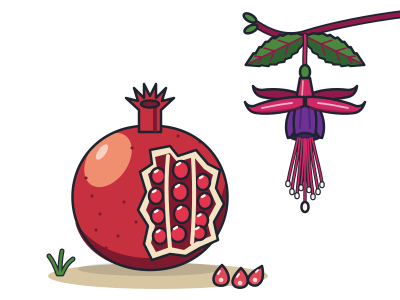
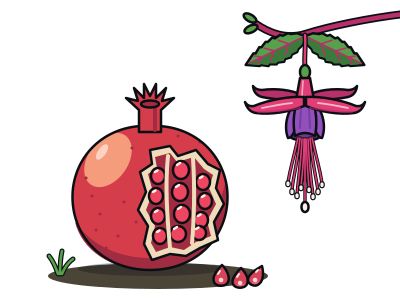
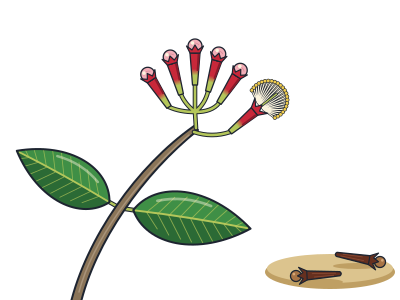
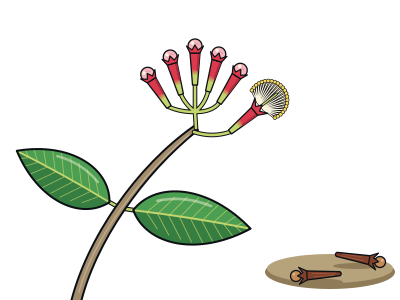
All four share something you can see: a floral cup. This cup or tube forms where the bases of a flower's petals and other parts join. On a fuchsia, it is the slim tube at the top of the hanging flower. On a eucalypt, it becomes the woody gumnut. On a pomegranate, it becomes the leathery rind, topped by a pointed 'crown' left over from the flower. A dried clove is an unopened flower bud, and its long, stalk-like base is the floral cup.
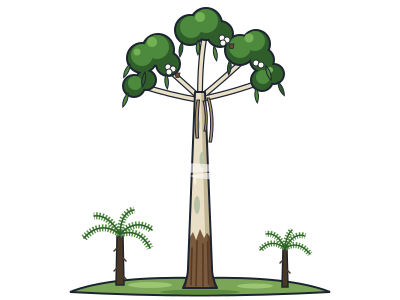
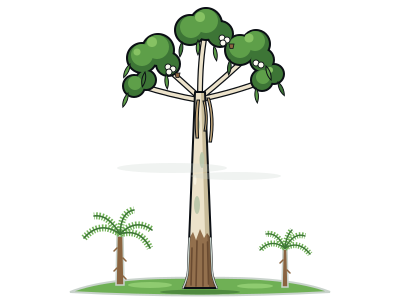
This order has roughly 13,000 to 14,000 species. They grow on every continent except Antarctica, mostly in warm places. They include herbs, climbing vines, mangroves and trees. Mountain ash, a eucalypt rather than a true ash, is one of the two tallest kinds of flowering plant on Earth; only a rainforest tree in Borneo has been measured slightly taller. The tallest one measured that is still alive grows in Tasmania. It is about 100 metres high, roughly as tall as a 30-storey building.
A seed in every jewel
Each juicy red bead inside a pomegranate is a seed wrapped in a fleshy seed coat. One fruit can hold about 200 to 1,400 of them, and plant scientists class the whole fruit as a berry.
A name that became a colour
Fuchsias are named after Leonhart Fuchs, a German plant expert who lived in the 1500s. The flower, in turn, gave its name to the bright pinkish-red colour called fuchsia.
Fossils far from home
The oldest confirmed fossils of eucalyptus leaves, flowers and fruits are about 52 million years old. They were found in Patagonia, Argentina, yet no eucalypts grow naturally in South America today.
Inside myrtle order
- Mountain ashOne of the tallest flowering plants on Earth: Australian mountain ash can top 100 metres.
- CloveThe spice is a dried flower bud, picked before it opens.
- PomegranateEach fruit holds hundreds of jewel-like seeds in juicy red coats.
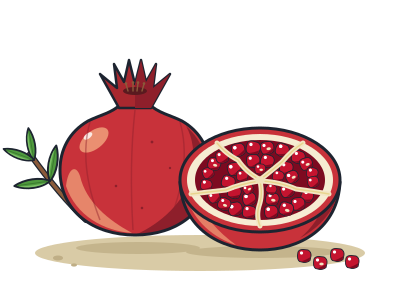
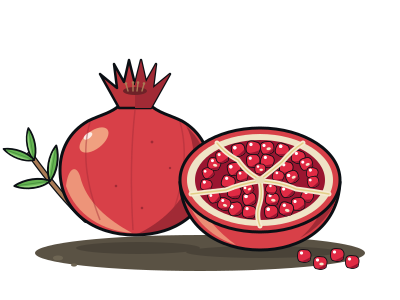
- FuchsiaDangling flowers like ballerinas, pollinated by hummingbirds in Chile.
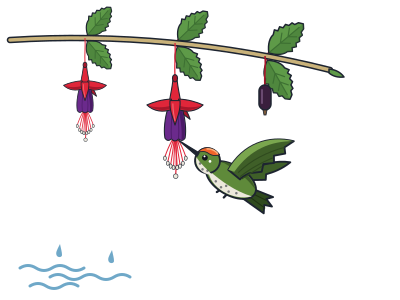
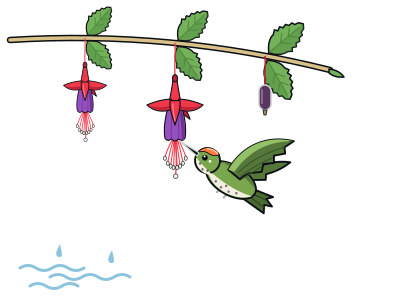
Next to it on the tree
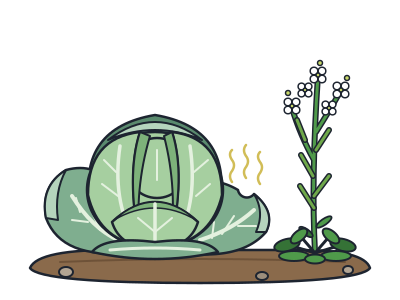
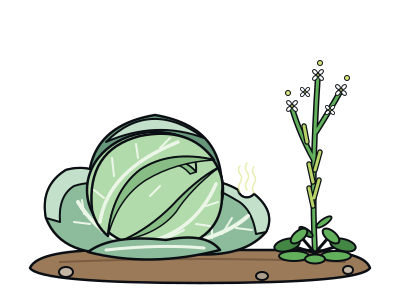
- Cabbage familyMustards, cabbages and cress, flavoured by sharp chemicals that deter insects.
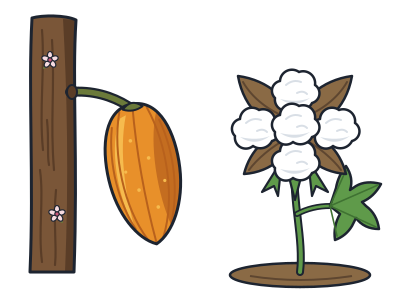
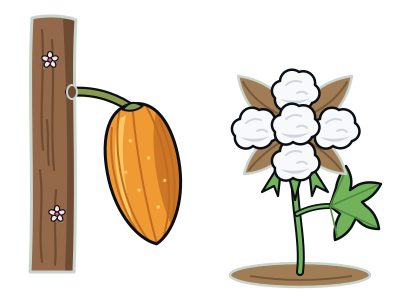
- Mallow familyCocoa, cotton, baobabs and hibiscus are all members of one family.
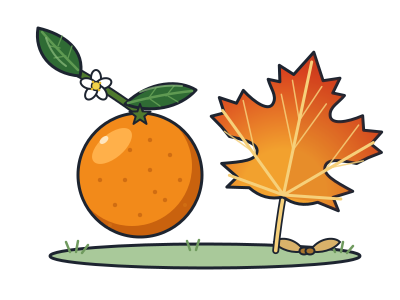
- Citrus, maples and mangoesOranges, maples, mangoes and cashews are all close relatives.
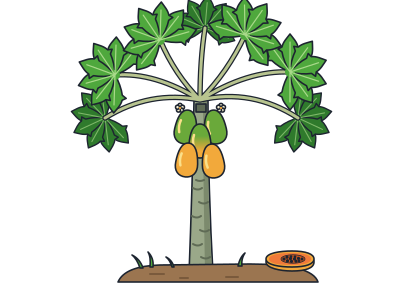
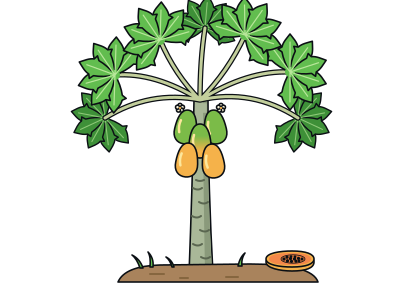
- PapayaA fast-growing fruit tree that can bear fruit in its first year.