A species
Frankincense
Boswellia sacra
A tough desert tree whose fragrant resin was traded across the ancient world.
You and the frankincense meet in the Eukaryotes branch, shown at about 1.8 billion years ago (on 28 July, in a calendar from life's shared ancestor to today).
This small, tough tree grows on rocky, near-desert hills in Oman, Yemen and Somalia. When its bark is cut, a fragrant resin oozes out and hardens into small beads. People have burned this resin as incense for thousands of years. In ancient times, camel caravans carried it up the Red Sea coast to Egypt, and ships took it across the Mediterranean. The trade linked Arabia with Greeks, Romans and Persians.
Its own family includes the trees that give myrrh, which is gathered the same way. More surprising is the closest related family: the cashew family, home of mangoes, cashews, pistachios and even poison ivy. The two families share a hidden feature: resin-carrying canals that run up and down the inner bark. Oranges, lemons, maples and horse chestnuts are more distant relatives.
The resin protects the tree. It seals wounds and helps keep out insects and infection. Harvesters make small, shallow cuts, then scrape off the hardened resin. In southern Oman, the harvest runs from about November to May, and the summer monsoon gives the trees a rest.
But too many cuts harm the trees. One researcher who studies frankincense says a tree should be cut no more than about 12 times a year. Yet in the mountains of Somaliland, in the Horn of Africa, she counted as many as 120 cuts on a single frankincense tree.
Flowers that change colour
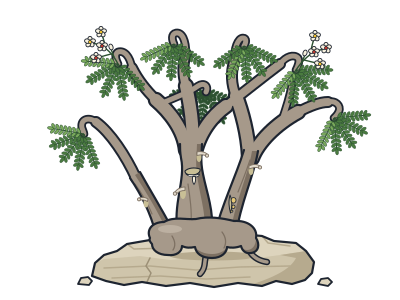
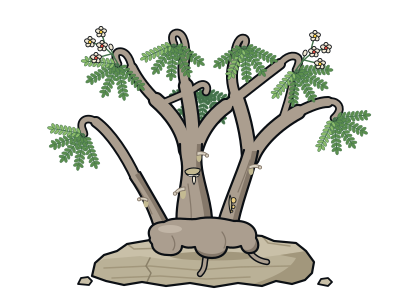
The centre of each small flower, where the nectar is made, turns from yellow to orange to red in less than a day. The animals that carry its pollen mostly visit yellow-centred flowers and ignore the red ones.
A cushion on the rocks
On steep slopes, the tree usually grows wide roots that reach up into the bottom of its trunk. Together they form a cushion that clings to the rock and keeps the tree steady.
What's in a name?
The English word comes from 'franc encens', an old phrase meaning high-quality incense. In Arabic the resin is called luban. That name comes from an old root word meaning 'white', after the resin's milky look.
Next to it on the tree
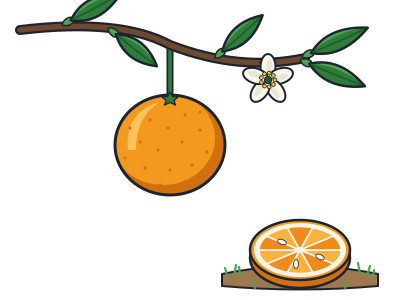
- Sweet orangeNot a wild species: an ancient cross between pomelo and mandarin.
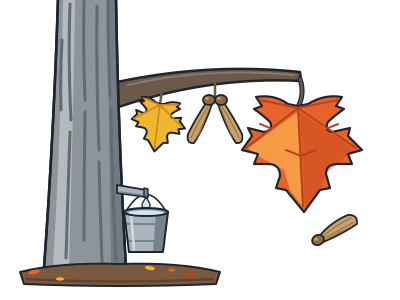
- Sugar mapleIts sap boils down to maple syrup; its seeds spin like helicopters.
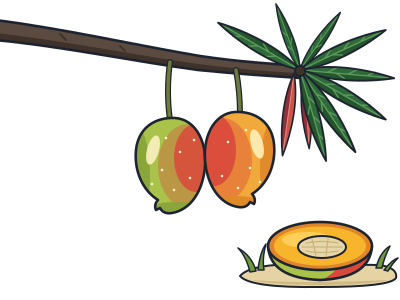
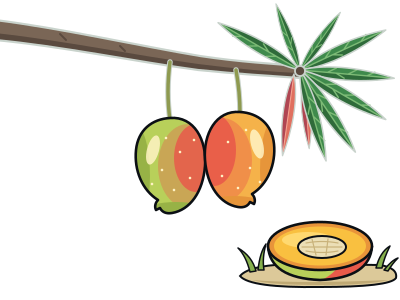
- MangoA cousin of cashew and poison ivy; its skin can irritate sensitive people.
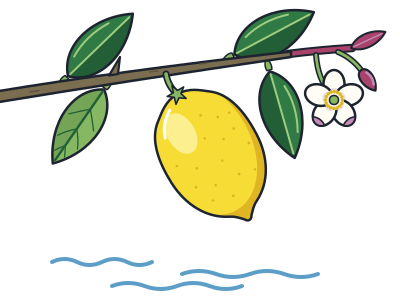
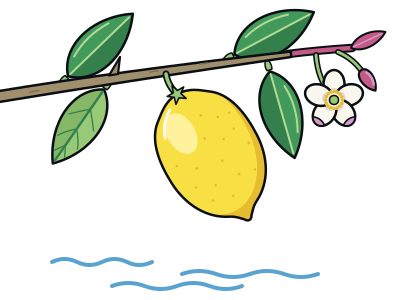
- LemonA hybrid of sour orange and citron, prized by sailors to prevent scurvy.
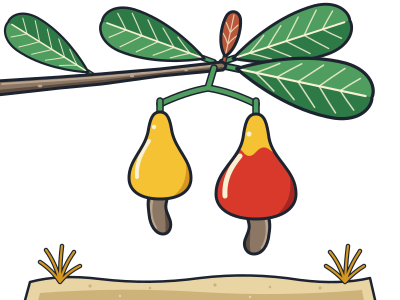
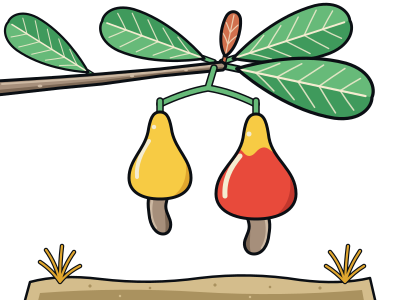
- CashewEach nut hangs below a swollen fleshy stalk called the cashew apple.
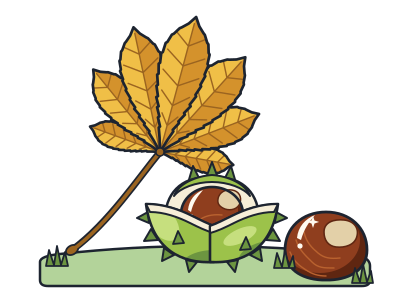
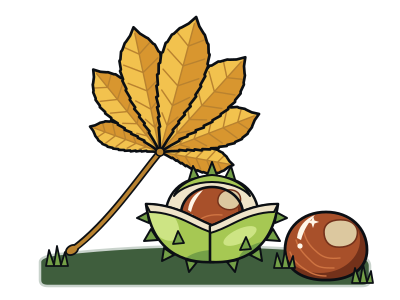
- Horse chestnutThe shiny conkers children play with come from this tree.