A species
Lemon
Citrus × limon
Half sour orange, half citron, and once a sailor's defence against scurvy.
You and the lemon meet in the Eukaryotes branch, shown at about 1.8 billion years ago (on 28 July, in a calendar from life's shared ancestor to today).
A lemon is a hybrid: the child of two other citrus fruits. Its mother was a sour orange, also called a Seville orange. Its father was a citron. A citron also fathered the Key lime (also called the Mexican lime). So the lemon and the Key lime are a bit like half-siblings. The Tahiti (or Persian) lime is closer still: its mother was a lemon and its father a Key lime.
The sour orange is itself a cross between a pummelo and a mandarin, the lemon's grandparents on its mother's side. The sweet orange beside the lemon on the tree also descends from pummelos and mandarins, so the two share ancestors. Further out, the relatives get more surprising: the lemon's branch of the tree also holds maples, horse chestnuts, mangoes, cashews and frankincense.
Lemons also made history at sea. In 1747 a navy surgeon, James Lind, gave six pairs of sailors with scurvy a different remedy each. Only the pair given two oranges and a lemon a day got much better. In 1795 Britain's Royal Navy ordered that every sailor get lemon juice each day, and scurvy soon became rare on its ships.
Later the Navy swapped lemons for limes. Part of the reason was that limes were thought to be more acidic, and people wrongly believed acid was what stopped scurvy. In fact it is vitamin C that prevents scurvy, and limes hold less of it. Cases of scurvy reappeared. The lime juice also gave British sailors their nickname, 'limeys'.
A berry in disguise
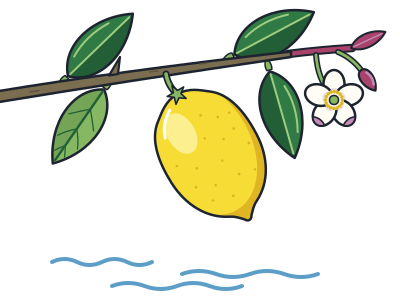
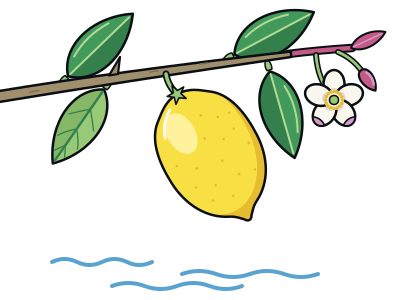
To a botanist, a lemon is a kind of berry with a tough, leathery rind. The juicy little sacs inside are actually swollen hairs filled with liquid.
Ripe can be green
Citrus peel usually turns from green to yellow or orange only once nights cool below about 13 °C. In the tropics, where nights stay warm, ripe citrus fruit can stay green. Fruit that has already coloured can even turn green again on the tree when warm nights return in spring.
Guinea pigs proved it again
In 1907, scientists Axel Holst and Theodor Frølich used guinea pigs to show once more that lemon juice prevents scurvy.
Next to it on the tree
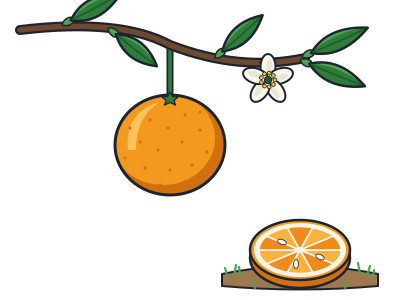
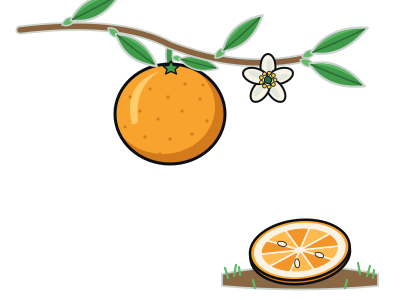
- Sweet orangeNot a wild species: an ancient cross between pomelo and mandarin.
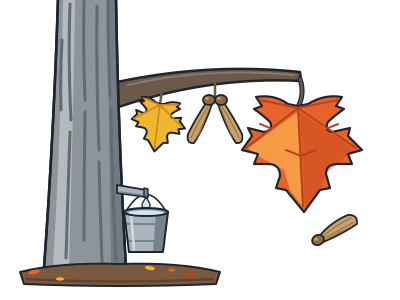
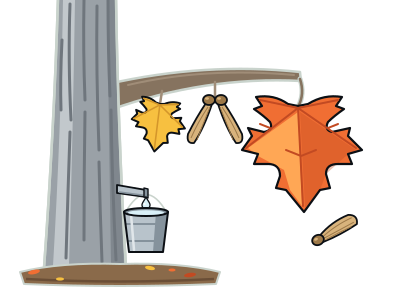
- Sugar mapleIts sap boils down to maple syrup; its seeds spin like helicopters.
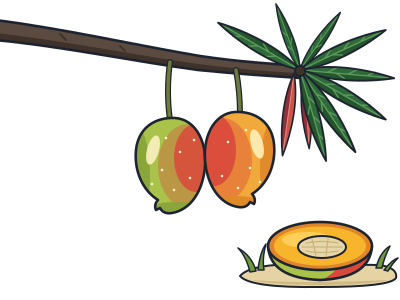
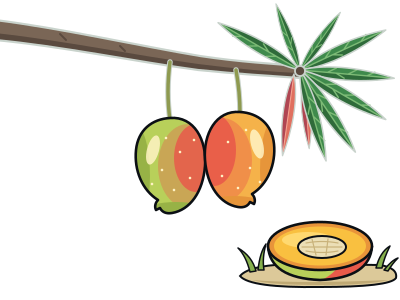
- MangoA cousin of cashew and poison ivy; its skin can irritate sensitive people.
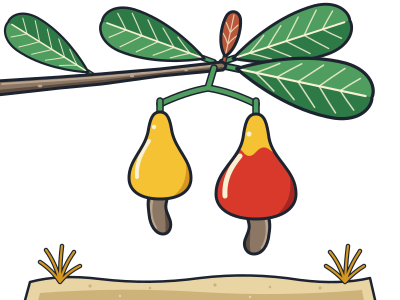
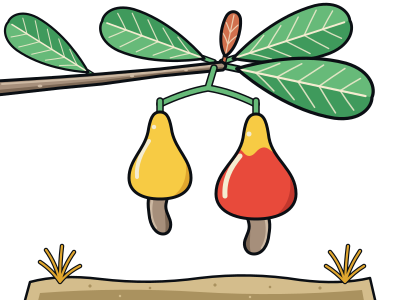
- CashewEach nut hangs below a swollen fleshy stalk called the cashew apple.
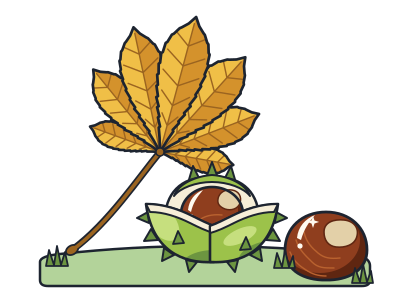
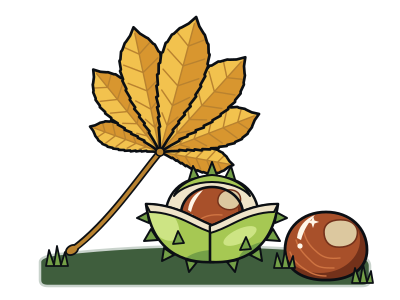
- Horse chestnutThe shiny conkers children play with come from this tree.
- FrankincenseA desert tree whose fragrant resin was traded across the ancient world.