A species
Cashew
Anacardium occidentale
A mango relative whose nut hangs beneath a juicy, swollen stalk.
You and the cashew meet in the Eukaryotes branch, shown at about 1.8 billion years ago (on 28 July, in a calendar from life's shared ancestor to today).
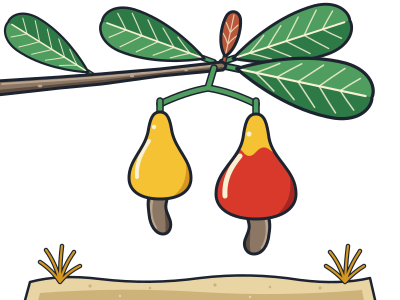
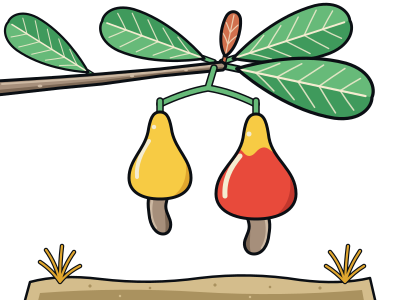
Each cashew nut hangs below its own plump, shiny 'cashew apple', about the size of a small pear. This is no apple. It is the stalk above the nut, swollen and juicy, with waxy yellow, orange or red skin. The nut grows to full size first. Then the stalk swells until it is roughly nine times as heavy as the nut.
The grey-brown, kidney-shaped nut is the true fruit. The cashew we eat is the single seed inside it. The nut's double shell hides a honeycomb of tiny cells full of burning, oily resin. This contains chemicals related to the itchy oil in poison ivy. So cashews are steamed or roasted and shelled before they reach the shops. Even ones sold as 'raw' have been heated.
Here is the surprise: the cashew's own plant family includes mango, pistachio and even poison ivy. Several family members can cause skin rashes. Mango skin and sap can give some people an itchy rash. The cashew's wider group of relatives includes oranges, lemons, maples, horse chestnuts and frankincense trees.
Cashew trees are native to Brazil and nearby tropical South America. Fruit bats feed on the juicy apples and carry off the nuts, spreading the seeds. Today, people farm cashews right across the tropics.
A record-breaking tree
Guinness World Records lists a tree at Pirangi do Norte, Brazil, as the largest cashew tree. It covers about as much ground as a soccer pitch. Its branches put down roots where they touch the ground and grow into new trunks.
From nutshell to car brakes
Chemicals taken from the oil in cashew shells are used to make glues, lubricants and plastics. They even go into car brake linings.
Planted to hold the soil
About 500 years ago, in the 1500s, Portuguese traders carried cashews to Mozambique and India. At first, the trees were planted there mainly to hold coastal soil in place.
Next to it on the tree
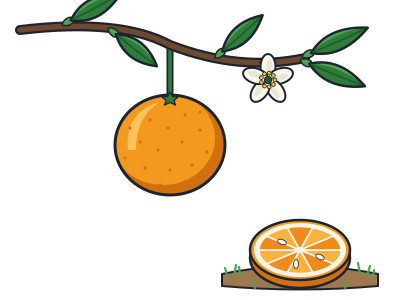
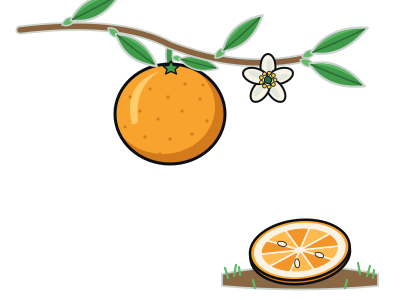
- Sweet orangeNot a wild species: an ancient cross between pomelo and mandarin.
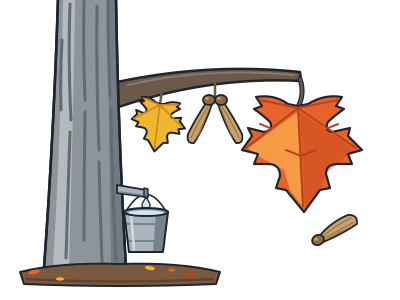
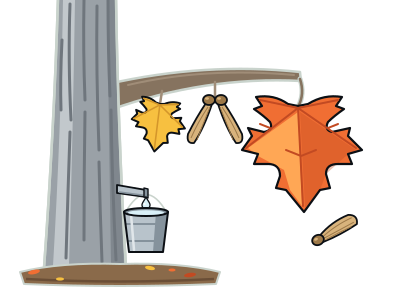
- Sugar mapleIts sap boils down to maple syrup; its seeds spin like helicopters.
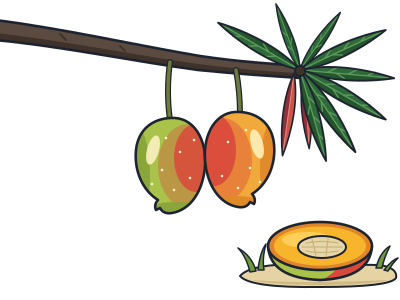
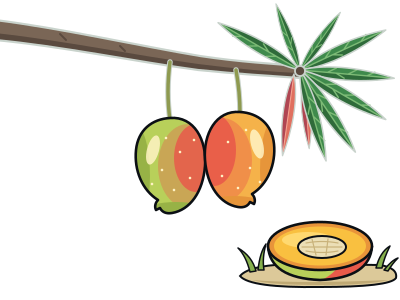
- MangoA cousin of cashew and poison ivy; its skin can irritate sensitive people.
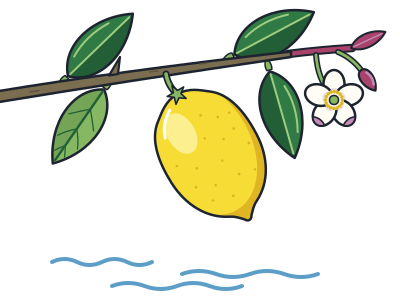
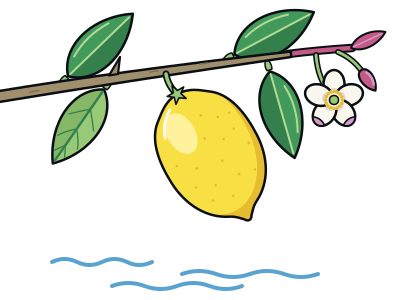
- LemonA hybrid of sour orange and citron, prized by sailors to prevent scurvy.
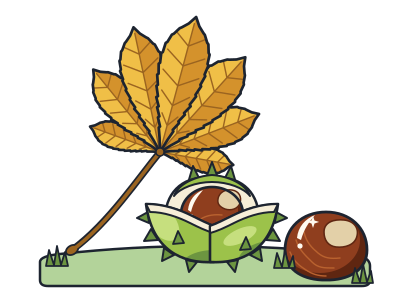
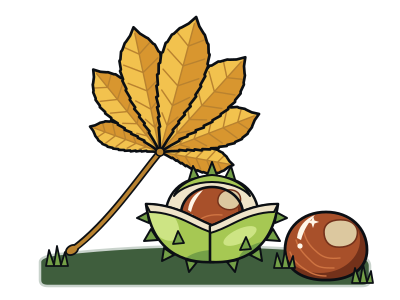
- Horse chestnutThe shiny conkers children play with come from this tree.
- FrankincenseA desert tree whose fragrant resin was traded across the ancient world.