A species
Horse chestnut
Aesculus hippocastanum
The conker tree: closer kin to maples than to sweet chestnuts.
You and the horse chestnut meet in the Eukaryotes branch, shown at about 1.8 billion years ago (on 28 July, in a calendar from life's shared ancestor to today).
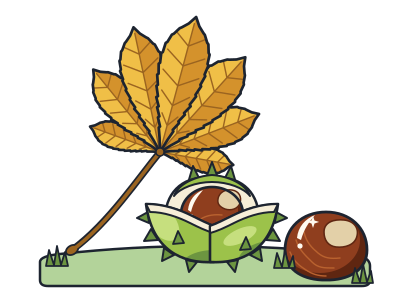
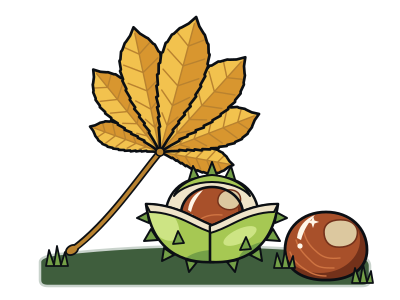
The shiny conkers that children play with are the seeds of this tree. Each one grows inside a round, spiky green case. In autumn the case splits open, and out drops a glossy brown conker with a pale patch on one side. Conkers are not food, though. They contain a poison and can make dogs ill.
Despite the name, this tree is only a distant relative of the sweet chestnut, whose nuts people roast. Plant scientists place it with the maples in one branch of the soapberry family, a big family that includes the lychee too. It also shares a wider group with oranges, lemons, mangoes, cashews and frankincense trees. So the tree behind the poisonous conker has relatives in your fruit bowl.
With its hand-shaped leaves and white flower spikes, or 'candles', this big tree is common in parks, streets and gardens across much of Europe. European gardeners have grown it since the 1500s. Yet its only natural home is a few mountain areas of Greece, Albania, North Macedonia and Bulgaria. In Greece, most wild groves grow in steep, narrow valleys with streams. The wild trees are so few and scattered that scientists did not know where they grew until the end of the 1800s.
A traffic light for bees
Each flower has a small spot that starts yellow and turns red once the flower has been pollinated. Bees see yellow clearly, but red looks black to them, so the red spot tells bees not to bother with that flower. The University of Zurich's natural history museum calls this a 'nectar traffic light'.
Horseshoes on the twigs
When a leaf falls, it leaves a scar on the twig shaped like an upside-down horseshoe, complete with dots that look like nail holes. Look for these scars on the bare twigs in winter.
Conkers went to war
From 1917, during the First World War, British schoolchildren were asked to collect conkers. The starch inside them was used at a factory, secret at the time, to make a chemical needed for explosives. The collection worked poorly, and piles of conkers were left rotting at many railway stations.
Next to it on the tree
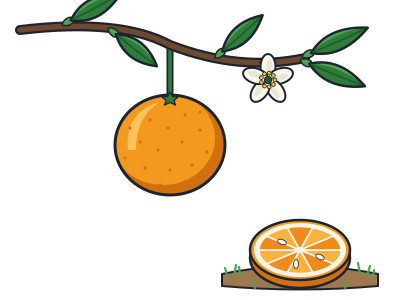
- Sweet orangeNot a wild species: an ancient cross between pomelo and mandarin.
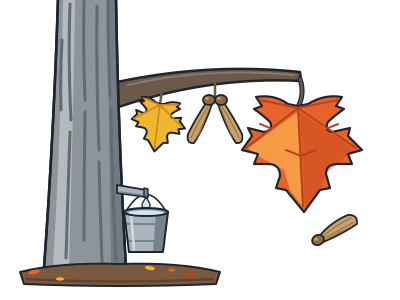
- Sugar mapleIts sap boils down to maple syrup; its seeds spin like helicopters.
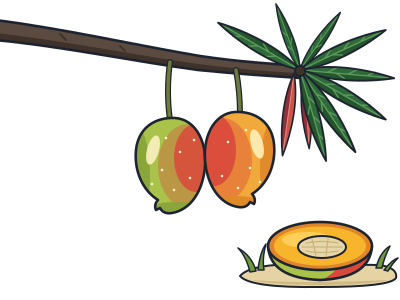
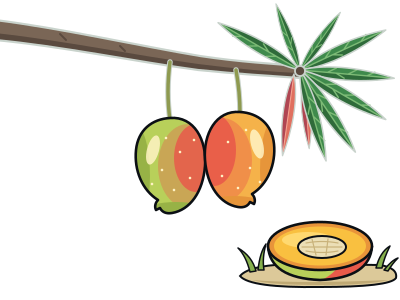
- MangoA cousin of cashew and poison ivy; its skin can irritate sensitive people.
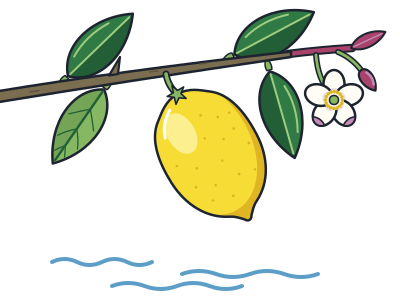
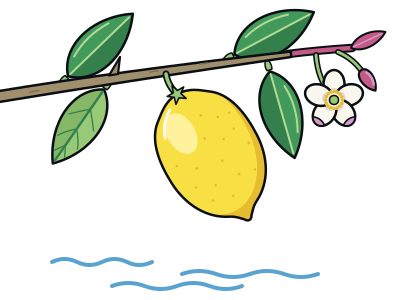
- LemonA hybrid of sour orange and citron, prized by sailors to prevent scurvy.
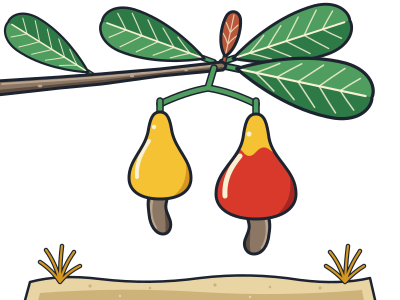
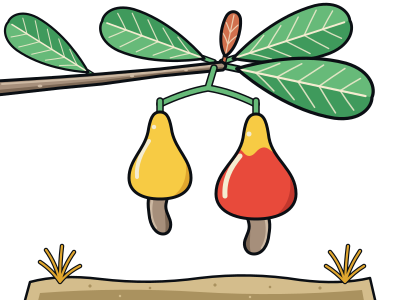
- CashewEach nut hangs below a swollen fleshy stalk called the cashew apple.
- FrankincenseA desert tree whose fragrant resin was traded across the ancient world.