A species
Mango
Mangifera indica
A sweet fruit with some itchy relatives
You and the mango meet in the Eukaryotes branch, shown at about 1.8 billion years ago (on 28 July, in a calendar from life's shared ancestor to today).
The mango is a cousin of the cashew, the pistachio and, surprisingly, poison ivy. All of them belong to the same plant family. So one of the world's favourite fruits shares a family with a plant famous for causing itchy rashes.
You can see the family link in the mango's skin. The skin, sap, leaves and stems contain oily chemicals closely related to urushiol, the irritating oil in poison ivy. Most people are fine. But sensitive people can get a rash around the mouth after biting into an unpeeled mango. The juicy flesh is usually not the problem. Fresh sap is a strong irritant and can even blister the skin.
Look a little further out on the tree and mangoes are also related to oranges, maples and lychees. They all belong to the same larger group of plants, but sit in different families.
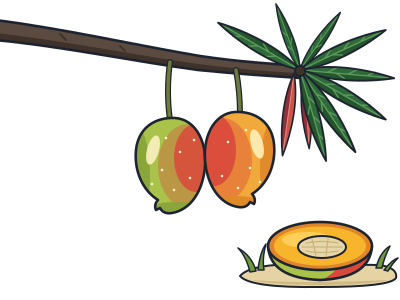
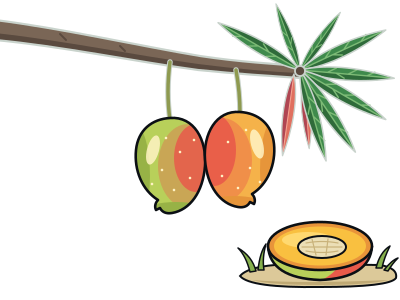
The mango tree keeps its leaves all year. If nobody prunes it, it can grow about 10 to 30 metres tall, which is taller than most houses. Some trees still bear fruit at about 300 years old. Mangoes first grew wild in southern Asia, and people have been improving them for thousands of years.
Tiny helpers
One flower cluster can hold about 550 to more than 4,000 tiny flowers. They are pollinated mostly by small insects such as thrips and flies. Honeybees do only a little of the work.
From flower to fruit
It takes about 100 to 150 days, or roughly three to five months, for a mango flower to become a ripe fruit.
How mangoes reached Australia
Mango growing in Australia began with early settlers in North Queensland. They planted seeds brought from India, Sri Lanka, the East Indies and the Philippines.
Next to it on the tree
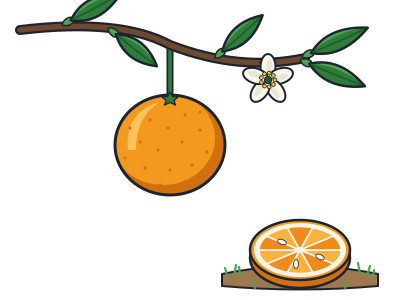
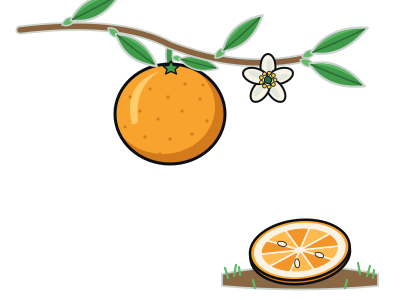
- Sweet orangeNot a wild species: an ancient cross between pomelo and mandarin.
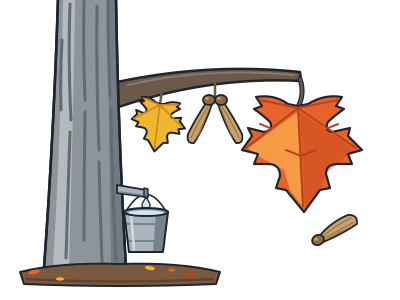
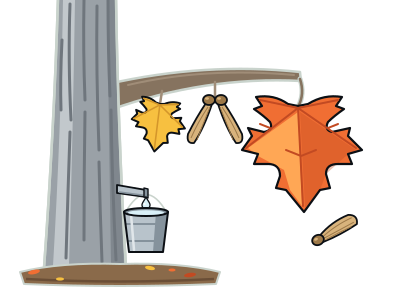
- Sugar mapleIts sap boils down to maple syrup; its seeds spin like helicopters.
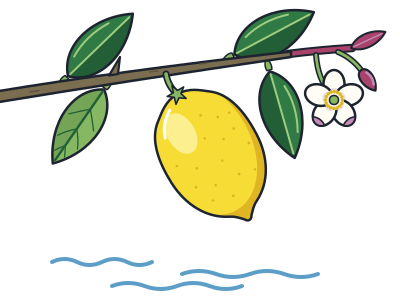
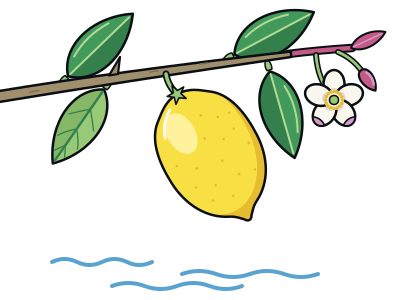
- LemonA hybrid of sour orange and citron, prized by sailors to prevent scurvy.
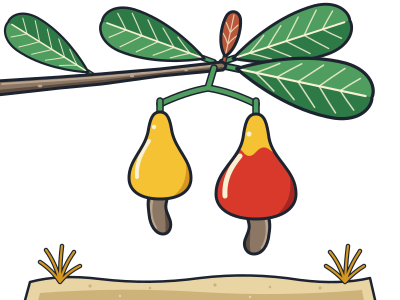
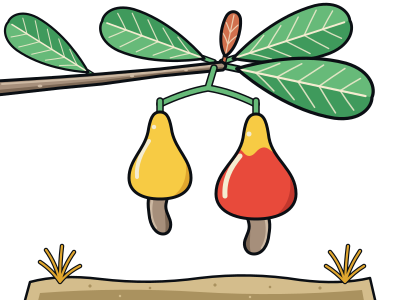
- CashewEach nut hangs below a swollen fleshy stalk called the cashew apple.
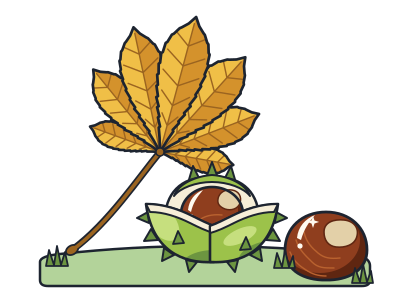
- Horse chestnutThe shiny conkers children play with come from this tree.
- FrankincenseA desert tree whose fragrant resin was traded across the ancient world.