A group of living things
Raptors and birds
Paraves
Feathered cousins, from Velociraptor to living birds
This branch is shown at about 165 million years ago; its age is a rough estimate.
You and raptors and birds meet in the Amniotes branch, shown at about 320 million years ago (on 4 December, in a calendar from life's shared ancestor to today).
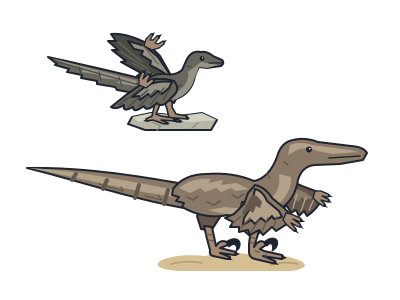
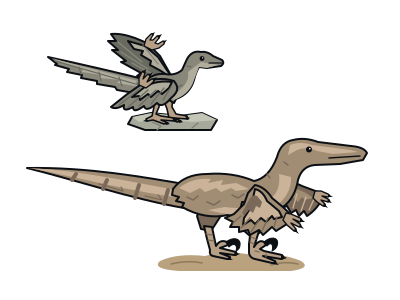
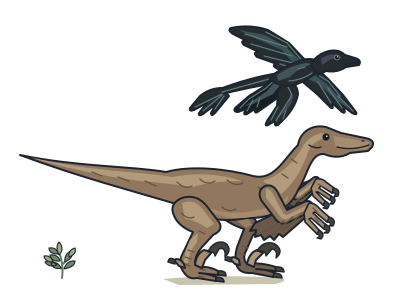
Velociraptor was one of birds’ closest non-bird dinosaur cousins, and it had feathered arms. It was a close relative, not a proven direct ancestor of modern birds. This wider family includes raptors, other small feathered dinosaurs and all living birds. So this is not a branch that vanished: birds are living dinosaurs.
The evidence for Velociraptor’s arm feathers comes from its bones. A fossil forearm from Mongolia has six small bumps where large feathers attached. Living birds have similar attachment points. Yet Velociraptor could not fly. Having long feathers on its arms did not make it an airborne animal.
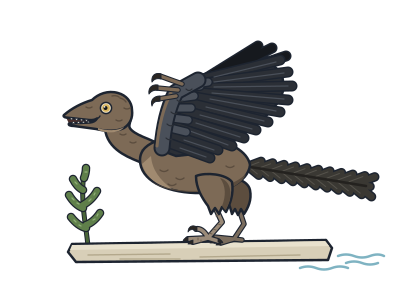
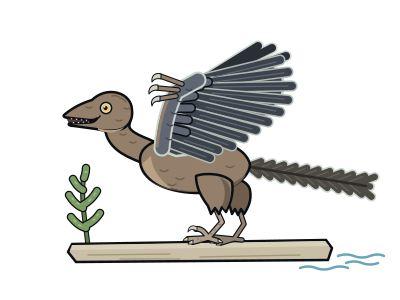
Archaeopteryx shows another mix of familiar features. It lived about 149 to 145 million years ago. Its fossils preserve clear feather impressions as well as skeletons, showing broad, feathered wings alongside toothed jaws and a long, bony tail. These animals help show why feathers alone cannot draw a neat line between birds and their other dinosaur relatives.
A claw held clear
Velociraptor held its enlarged, curved second-toe claw above the ground and walked on two main toes on each foot.
An island home
The part of Germany where Archaeopteryx fossils formed was once a landscape of subtropical islands and lagoons.
Closer than Oviraptor
Velociraptor was more closely related to birds than Oviraptor was.
Inside raptors and birds
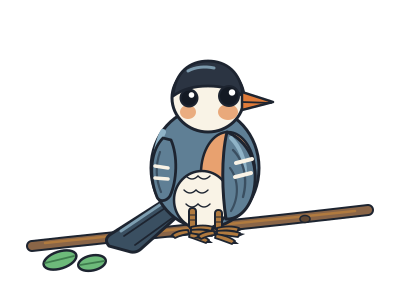
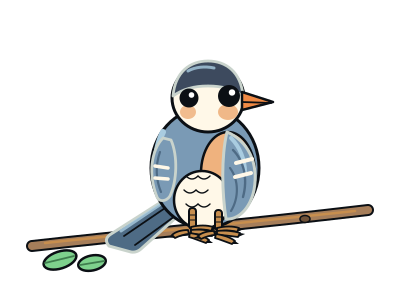
- BirdsThe dinosaurs that survived the asteroid; feathers came before flight.
- ArchaeopteryxHalf bird, half dinosaur: feathered wings, but also teeth, claws and a bony tail.
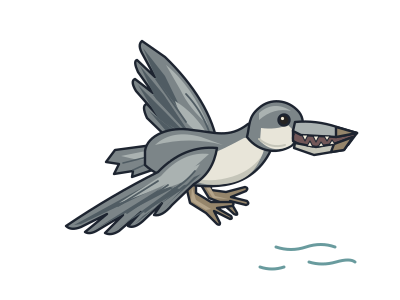
- IchthyornisA seabird with a modern wing and a beak still full of teeth.
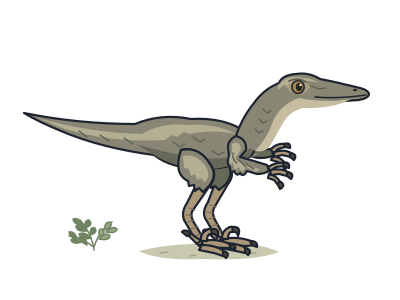
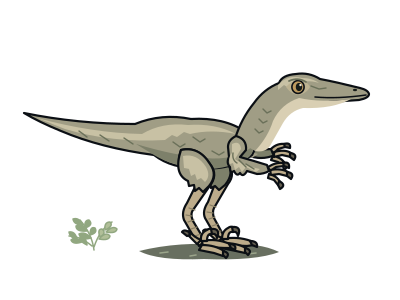
- RaptorsSickle-clawed, feathered hunters, from crow-sized gliders to five-metre giants.
- TroodonA big-eyed, big-brained hunter, once nicknamed the smartest dinosaur.
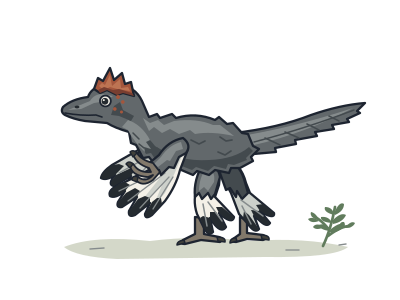
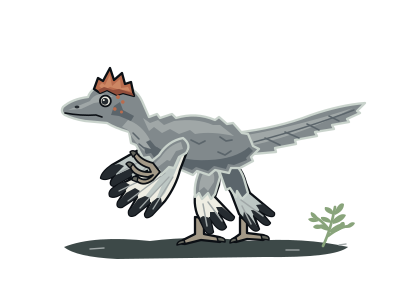
- AnchiornisThe first dinosaur whose whole colour pattern was worked out: grey with a red crest.
- ConfuciusornisOne of the first birds with a toothless beak, known from thousands of fossils.
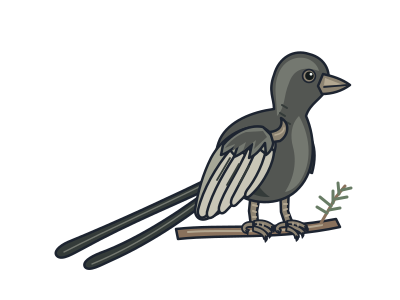
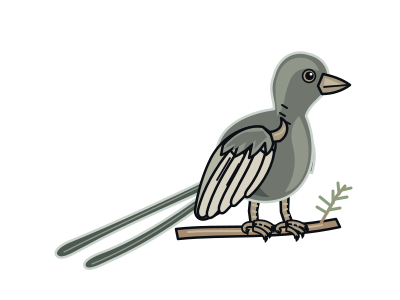
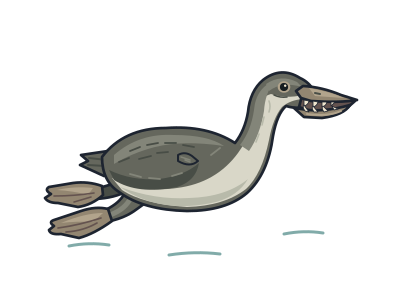
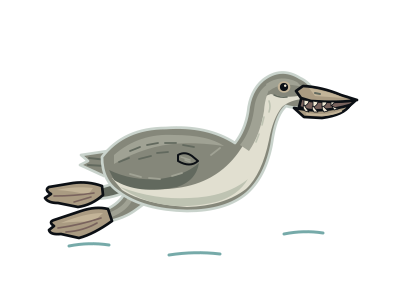
- HesperornisA flightless, toothed diving bird of Cretaceous seas, with tiny stub wings.
Next to it on the tree
- CompsognathusA chicken-sized hunter; one fossil has a lizard in its stomach.
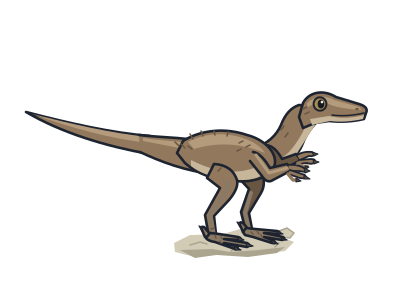
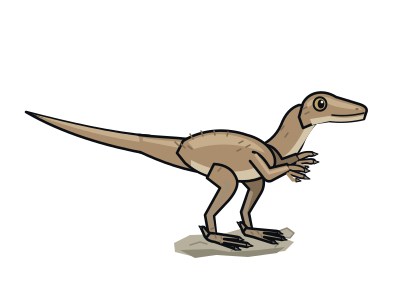
- SinosauropteryxThe first dinosaur found with feathers; its fuzz shows a ginger-and-white striped tail.
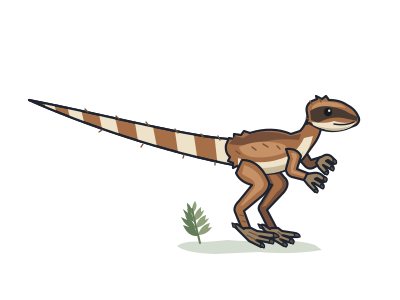
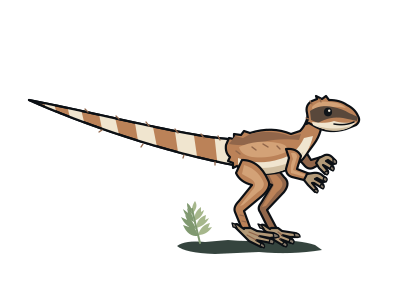
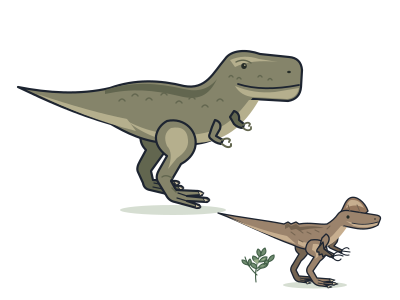
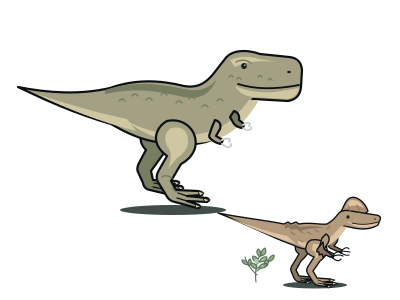
- TyrannosaursTyrannosaurs started small and feathered; giants came only at the very end.
- GallimimusAn ostrich-like dinosaur with a toothless beak, built to sprint.
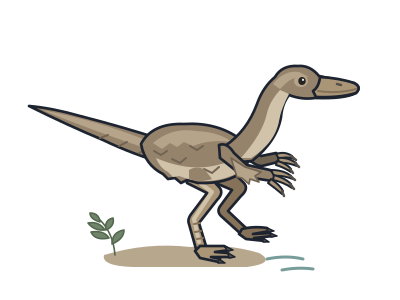
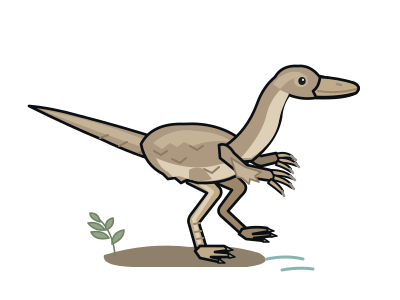
- TherizinosaurusA pot-bellied plant-eating theropod with metre-long claws like scythes.
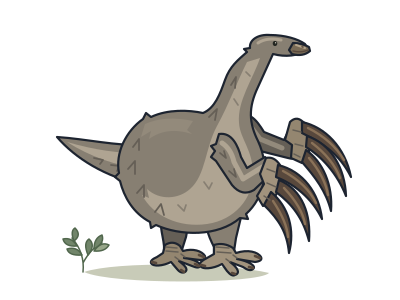
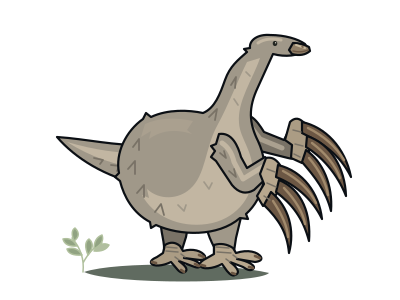
- OviraptorNamed 'egg thief', but later fossils showed its relatives were sitting on their own nests.
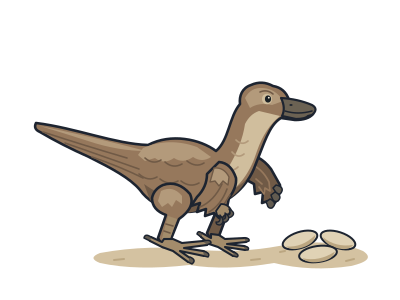
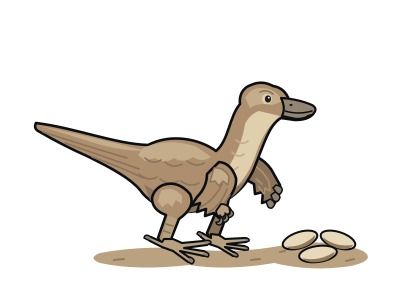
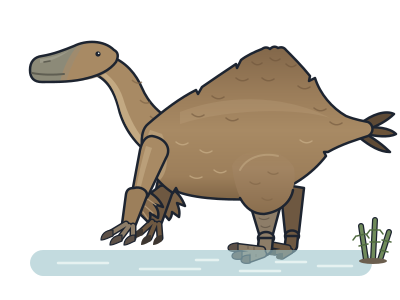
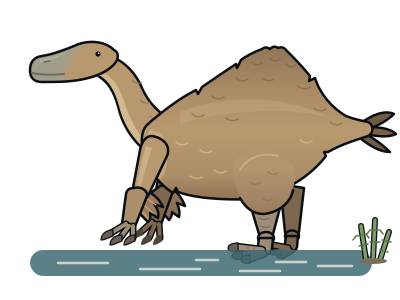
- DeinocheirusKnown for decades only from giant arms, it turned out to be a humpbacked, duck-billed ostrich dinosaur.