An extinct species
Ichthyornis †
Ichthyornis dispar
Modern-looking wings, but teeth behind the beak.
Lived about 95–83 million years ago.
You and the ichthyornis meet in the Amniotes branch, shown at about 320 million years ago (on 4 December, in a calendar from life's shared ancestor to today).
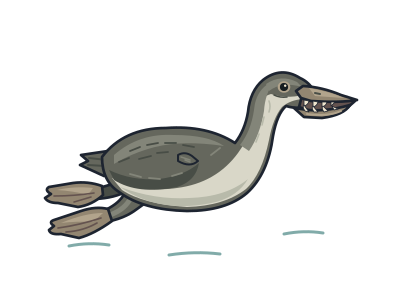
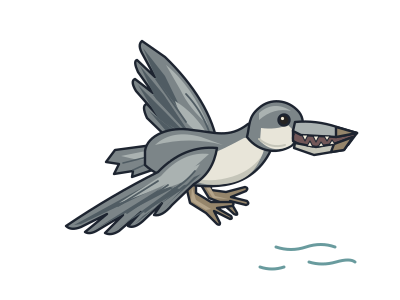
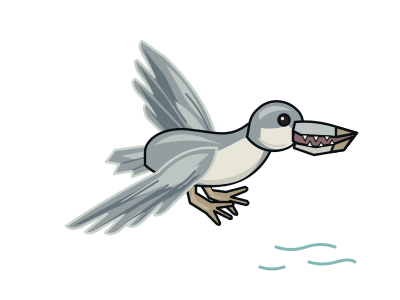
This seabird had wings much like those of living birds, but a mouth with a surprising difference: teeth. Its small beak tip was toothless, while teeth lined the jaws farther back. It was a close relative of living birds, not a gull or tern. Its preserved bones showed how modern-looking wings could exist alongside features inherited from earlier dinosaur relatives.
It lived about 95 to 83 million years ago around the seas of North America. Fossils preserved its bones and teeth, giving researchers evidence of its body shape.
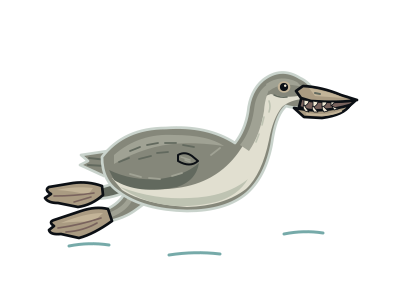
Comparisons with living birds suggested that it could soar as well as flap. Its leg and foot bones also supported the idea that it swam by paddling with its feet. These abilities were reconstructed from anatomy: the fossils did not preserve the animal flying or swimming.
Room for flight muscles
Its breastbone had a deep ridge that provided space for flight muscles to attach.
Forty more fossil specimens
A 2022 study described 40 previously undescribed specimens, including four partial skeletons and many separate bones.
A skull assembled with scans
Researchers used CT scans—images revealing internal detail—from four fossil specimens to build the nearly complete skull reconstruction published in 2018.
Next to it on the tree
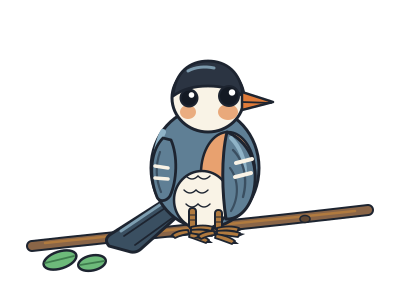
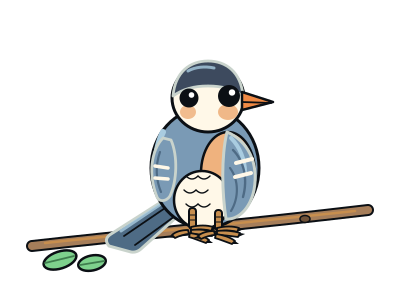
- BirdsThe dinosaurs that survived the asteroid; feathers came before flight.
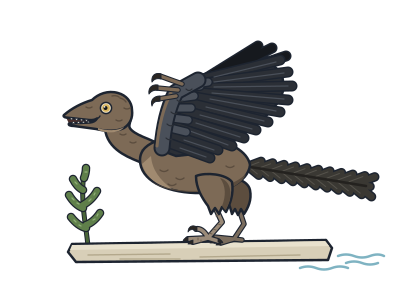
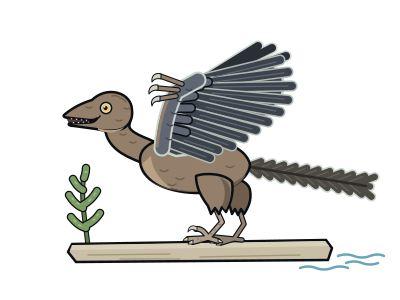
- ArchaeopteryxHalf bird, half dinosaur: feathered wings, but also teeth, claws and a bony tail.
- RaptorsSickle-clawed, feathered hunters, from crow-sized gliders to five-metre giants.
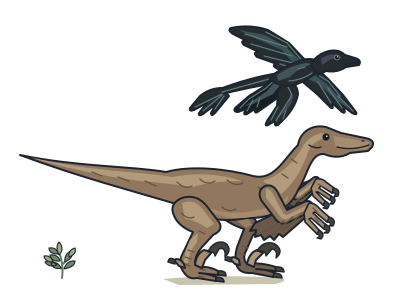
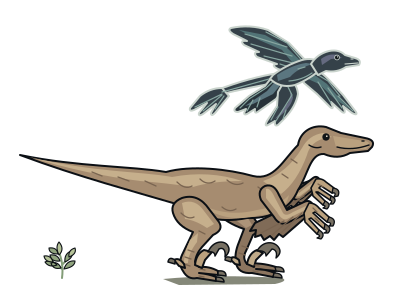
- TroodonA big-eyed, big-brained hunter, once nicknamed the smartest dinosaur.
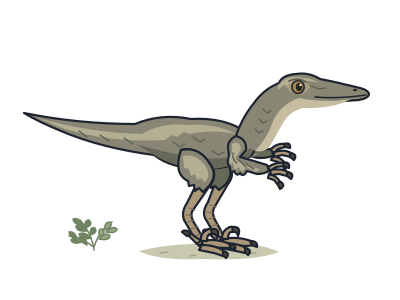
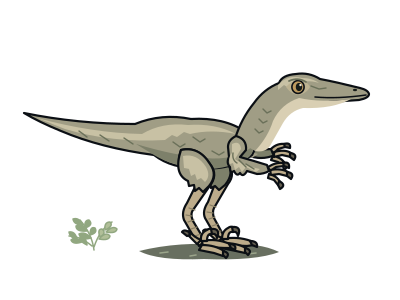
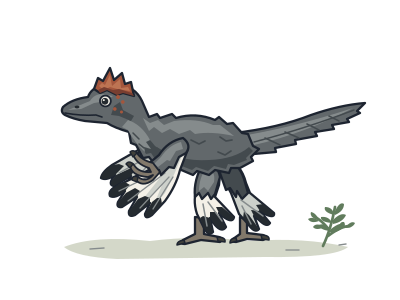
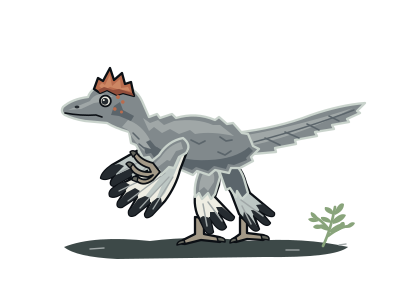
- AnchiornisThe first dinosaur whose whole colour pattern was worked out: grey with a red crest.
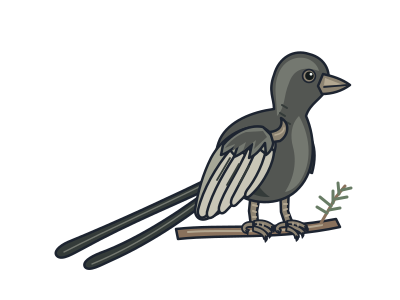
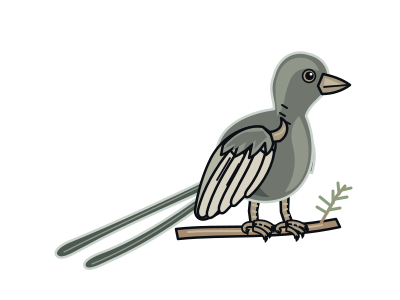
- ConfuciusornisOne of the first birds with a toothless beak, known from thousands of fossils.
- HesperornisA flightless, toothed diving bird of Cretaceous seas, with tiny stub wings.