A group of living things
Stiff-tailed theropods
Tetanurae
Giant hunters and the branch that includes birds
This branch is shown at about 185 million years ago; its age is a rough estimate.
You and stiff-tailed theropods meet in the Amniotes branch, shown at about 320 million years ago (on 4 December, in a calendar from life's shared ancestor to today).
Most big predatory dinosaurs belonged to this branch—and so do birds. Allosaurus and Spinosaurus belonged to different branches within it; neither is an established direct ancestor of birds. The line leading to birds involved shrinking bodies and many changes to the skeleton, not simply adding wings to a giant hunter.
The name means ‘stiff tails’. It refers to bones that interlocked towards the tail’s end, rather than a tail that could not bend at all. Despite the name, this family includes living birds, not just extinct dinosaurs with long, bony tails.
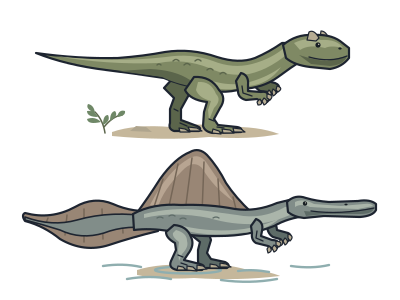
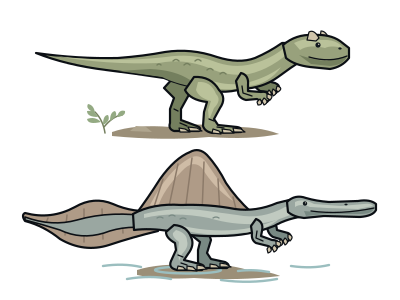
Picture two very different giants. An adult Allosaurus was about 7–10 metres long, roughly the length of a bus. Spinosaurus had relatively short hind legs and a deep, paddle-like tail. It lived in North Africa about 99–94 million years ago. These two animals show only part of the variety in a branch that also includes the birds alive today.
Growing giants
Utah’s Allosaurus collection includes youngsters about 1 metre long, helping scientists study how these dinosaurs grew.
Lost fossils
The Spinosaurus bones discovered in 1912 were destroyed during the Second World War.
A neighbouring branch
Ceratosaurs are this branch’s sister group in the classification used here. They were a separate dinosaur branch.
Inside stiff-tailed theropods
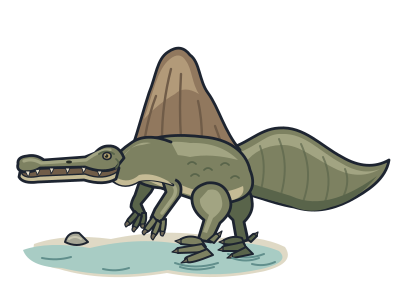
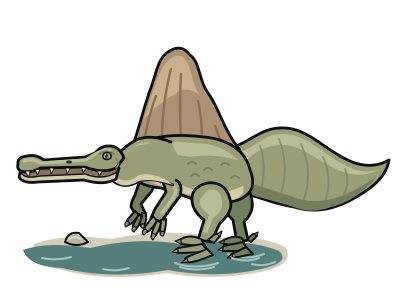
- SpinosaurusA sail-backed river hunter longer than T. rex that probably fished like a heron.
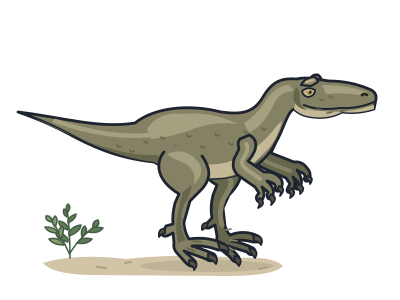
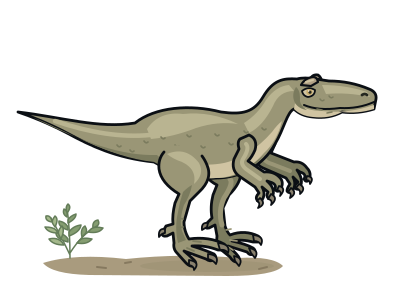
- AllosaurusThe top predator of the Jurassic, millions of years before T. rex.
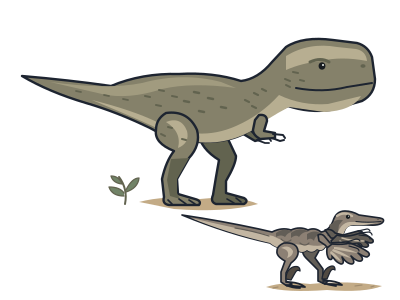
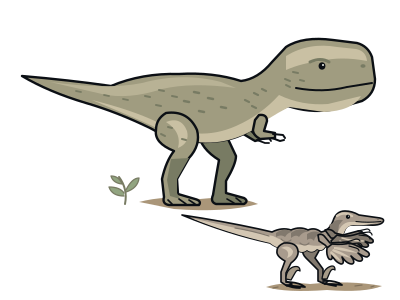
- Feathered theropodsFeathers spread through this group long before any of them flew.
- MegalosaurusThe first dinosaur ever named, in 1824, from bones found near Oxford.
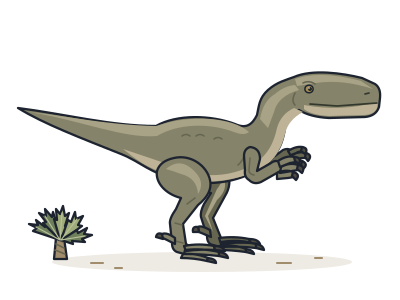
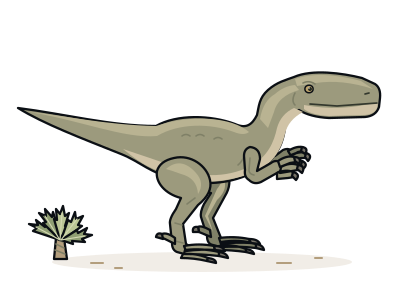
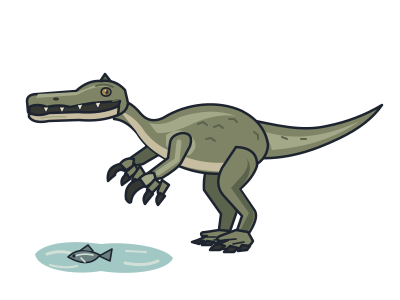
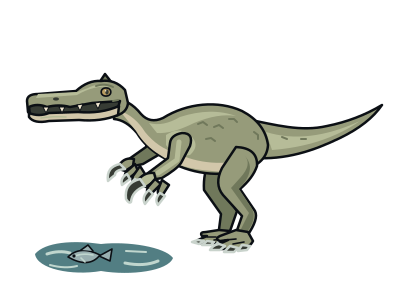
- BaryonyxA fish-eater with a huge thumb claw, found with fish scales in its stomach.
- GiganotosaurusA South American predator as big as T. rex, but with a narrower, blade-toothed skull.
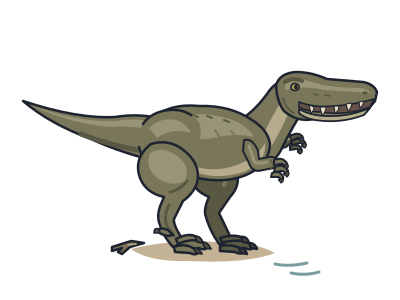
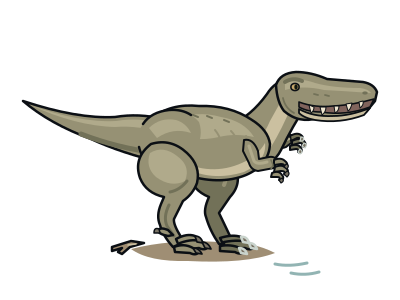
- CarcharodontosaurusA giant African predator named for its shark-like, blade-shaped teeth.
Next to it on the tree
- CoelophysisA slim early hunter known from hundreds of skeletons in one New Mexico quarry.
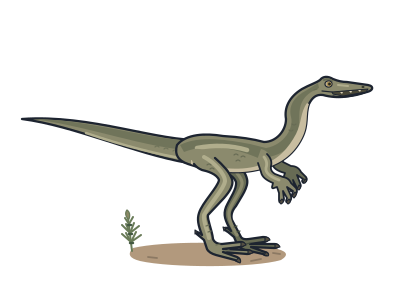
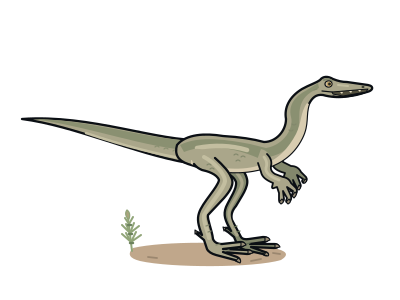
- DilophosaurusWore twin head crests; it did not spit venom or have a neck frill.
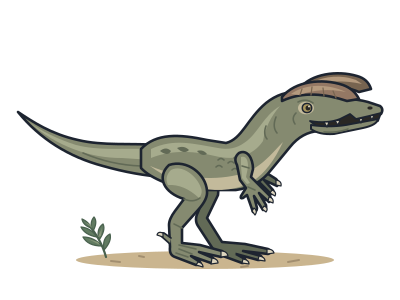
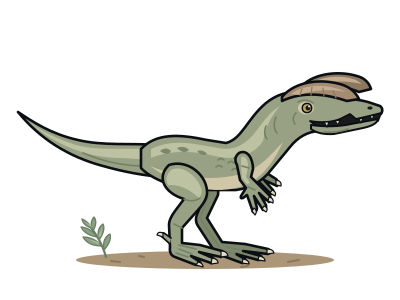
- CeratosaursHorned and short-armed predators; some had arms even tinier than T. rex's.
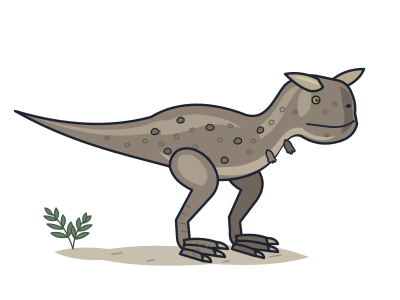
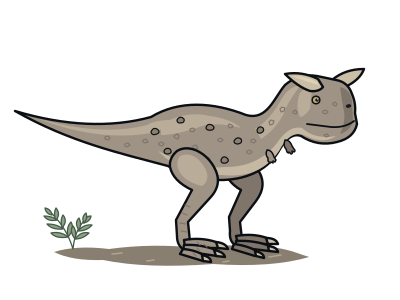
- CryolophosaurusFound in Antarctica, it had a sideways crest like a quiff, earning the nickname Elvisaurus.