An extinct group
Ceratosaurs †
Ceratosauria
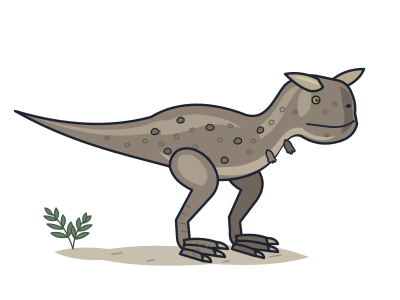
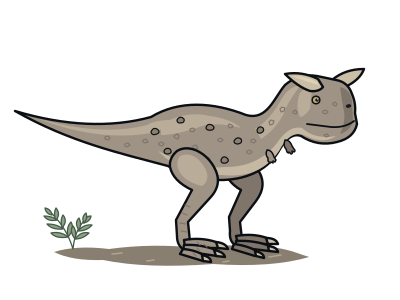
Some horned hunters had astonishingly tiny arms
This branch is shown at about 200 million years ago; its age is a rough estimate.
Lived about 200–66 million years ago.
You and ceratosaurs meet in the Amniotes branch, shown at about 320 million years ago (on 4 December, in a calendar from life's shared ancestor to today).
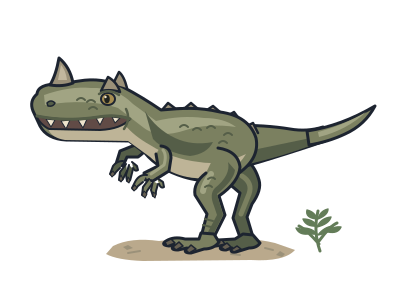
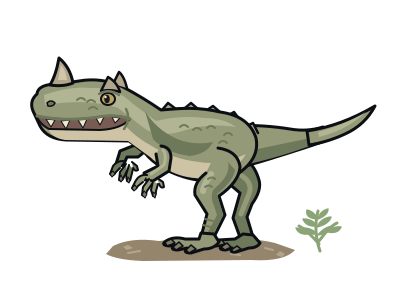
Some ceratosaurs were horned predators with arms even tinier than T. rex’s. Yet they were not tyrannosaurs. They belonged to a different branch of the theropods, the dinosaur group that included two-legged hunters. Their sister group—the neighbouring branch—was the stiff-tailed theropods, which included allosaurs, tyrannosaurs and birds.
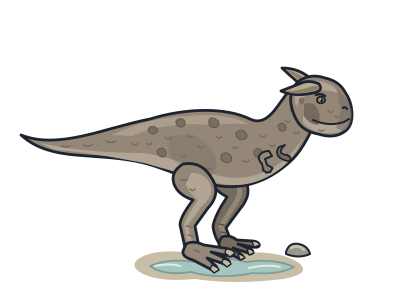
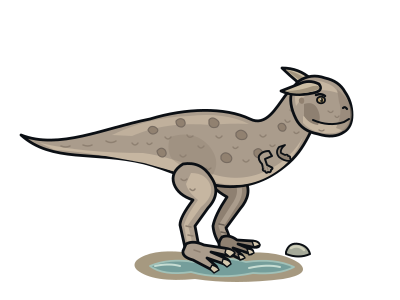
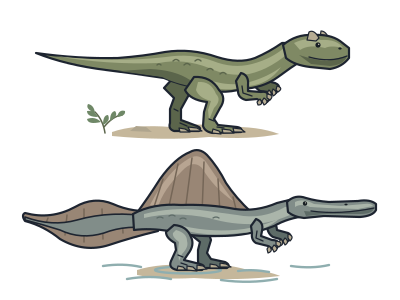
Ceratosaurs lived from about 200 to 66 million years ago. Carnotaurus, with two horns above its eyes and an unusually short snout, was a striking member. It belonged to an inner branch called the abelisaurs, alongside Majungasaurus. Many abelisaurs had extremely short arms. Their hand bones suggested they could not grasp prey.
But tiny arms were not the starting point for this whole family. Hand bones from the early member Saltriovenator indicated that it could grasp things. Fossils also revealed more than bones: Carnotaurus left extensive skin impressions. These preserved evidence of its outer covering, rather than just the frame beneath it.
Extra-short forearms
Carnotaurus’s forearm bones were only about a quarter as long as its upper-arm bone.
Traces of four fingers
Carnotaurus had traces of four fingers in each hand. Its fourth finger was reduced to a single bone in the palm.
A different horn arrangement
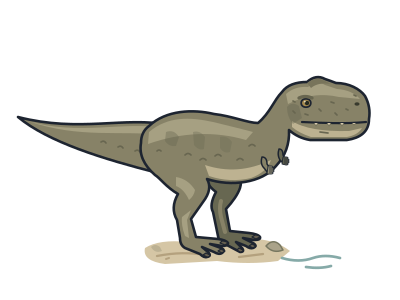
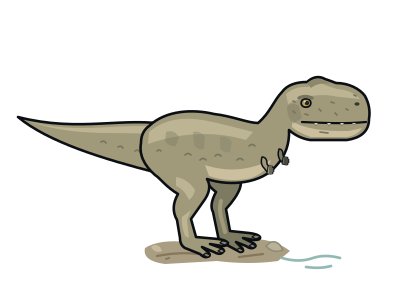
Ceratosaurus had a prominent nose horn, smaller horn-like bumps above its eyes and small bony armour pieces along its back.
Inside ceratosaurs
Next to it on the tree
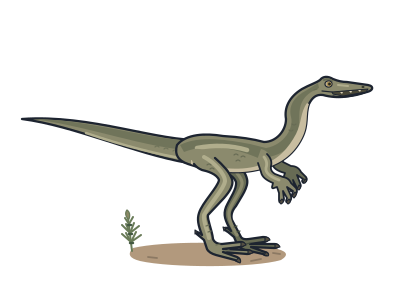
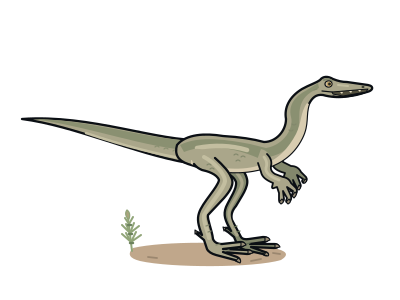
- CoelophysisA slim early hunter known from hundreds of skeletons in one New Mexico quarry.
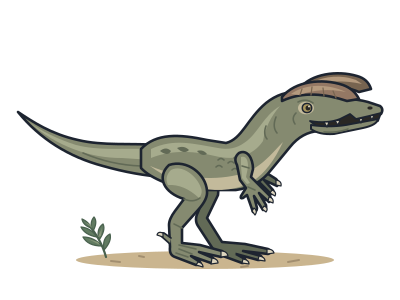
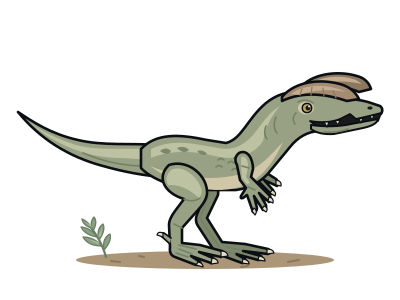
- DilophosaurusWore twin head crests; it did not spit venom or have a neck frill.
- Stiff-tailed theropodsMost big predatory dinosaurs, plus the line that led to birds.
- CryolophosaurusFound in Antarctica, it had a sideways crest like a quiff, earning the nickname Elvisaurus.