A group of living things
Pterosaurs and dinosaurs
Ornithodira
Flying reptiles, dinosaur cousins
This branch is shown at about 247 million years ago; its age is a rough estimate.
You and pterosaurs and dinosaurs meet in the Amniotes branch, shown at about 320 million years ago (on 4 December, in a calendar from life's shared ancestor to today).
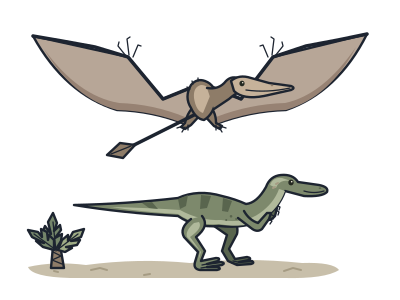
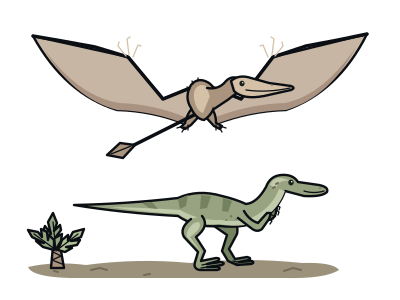
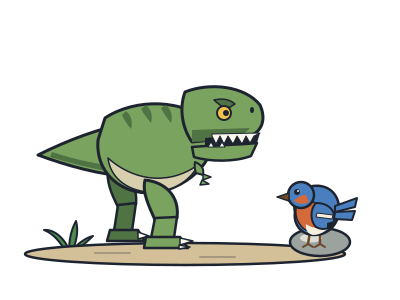
The flying reptiles called pterosaurs were close cousins of dinosaurs—not dinosaurs with wings. These were separate branches of the same reptile family. Pterosaurs were more closely related to dinosaurs than to crocodiles. And there is a living twist: birds are dinosaurs, so this wider family has not disappeared.
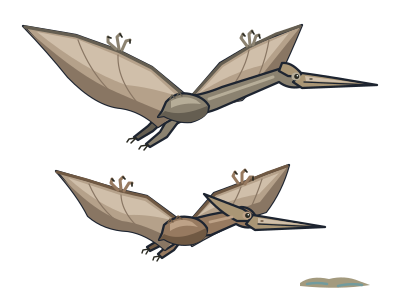
Pterosaurs were the first animals with backbones to evolve flapping flight. Birds and bats developed flight independently. Their wings were built differently, too. An extremely long fourth finger supported each pterosaur wing, rather than the feather arrangement of a bird’s wing. The wings were their front limbs, not an extra pair attached to four walking legs.
Fossils give us glimpses of these ancient relatives. Pterosaur bones were fragile, so clear, complete skeletons are unusual. Some exceptional fossils even preserve fibres within wing skin and soft structures at the tail tip. Pterosaurs disappeared about 66 million years ago, alongside the non-bird dinosaurs. Birds survived.
Lightweight bones
Pterosaur bones were largely hollow and air-filled, helping keep their bodies light.
A preserved meal
Fish remains inside some Pteranodon fossils directly show that these toothless pterosaurs ate fish.
Walking on four limbs
Fossilised footprints show that at least some pterosaurs walked on all four limbs.
Inside pterosaurs and dinosaurs
Next to it on the tree
- CrocodiliansCrocodiles, alligators and gharials: armoured survivors of the asteroid.
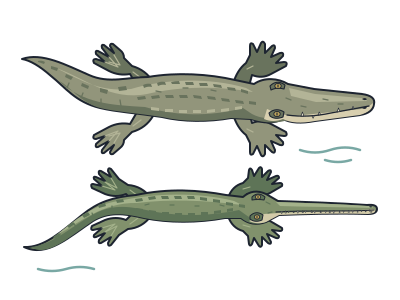
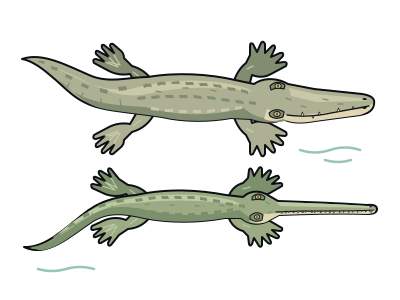
- SuperCrocA giant crocodile relative with a long swollen-tipped snout, known from Cretaceous African river deposits.
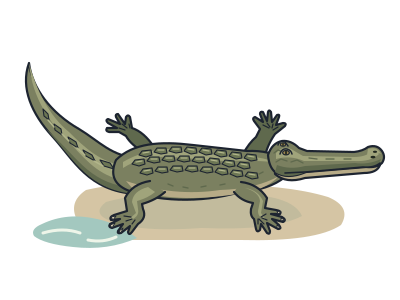
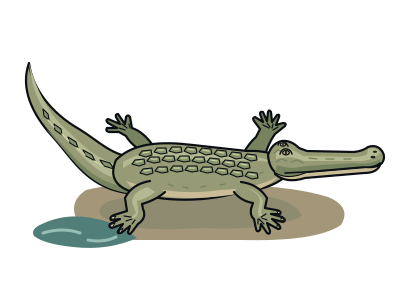
- PostosuchusA Triassic crocodile-line predator that walked tall, filling the role of later big theropods.