An extinct species
Baryonyx †
Baryonyx walkeri
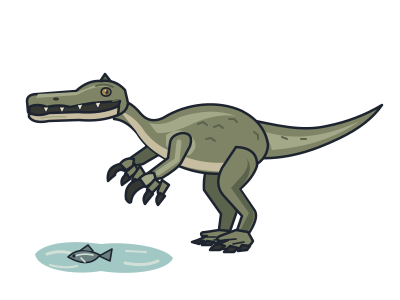
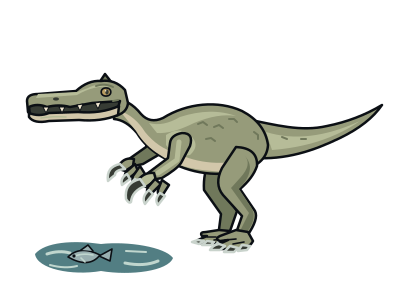
A fish-eating dinosaur with a huge thumb claw.
Lived about 130–125 million years ago.
You and the baryonyx meet in the Amniotes branch, shown at about 320 million years ago (on 4 December, in a calendar from life's shared ancestor to today).
This fish-eating dinosaur had a huge thumb claw—and belonged to the same dinosaur family as Spinosaurus. It lived about 130 to 125 million years ago. Partly digested fish scales and teeth were found in the stomach region of its fossil skeleton. Those remains were direct evidence that it ate fish, rather than a guess based only on its shape.
Its long, narrow jaws widened at the tip into a spoon-like shape, with a cluster of teeth around the end. The snout resembled that of a fish-eating crocodile called a gharial. But this resemblance evolved independently: it was a dinosaur, not a crocodile. It walked on two hind legs.
The enormous thumb-claw bone measured about 31 centimetres along its outer curve, slightly longer than a 30-centimetre ruler. That measurement followed the bend of the bone, not a straight line from base to tip. The claw survived as a fossil, but its exact role in catching food remained uncertain.
An amateur’s discovery
Fossil collector William Walker discovered the first specimen in a clay pit near Ockley, Surrey, in January 1983.
A fitting name
Its name meant ‘heavy claw’.
Set-back nostrils
Its nostril openings lay well behind the tip of its snout.
Next to it on the tree
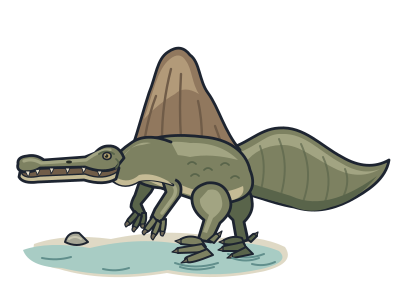
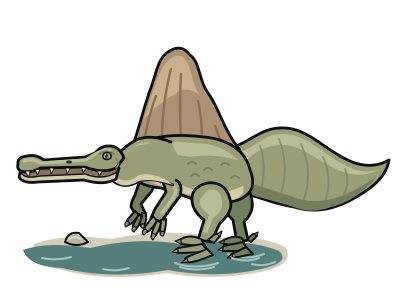
- SpinosaurusA sail-backed river hunter longer than T. rex that probably fished like a heron.
- AllosaurusThe top predator of the Jurassic, millions of years before T. rex.
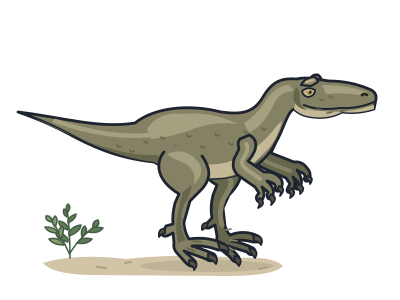
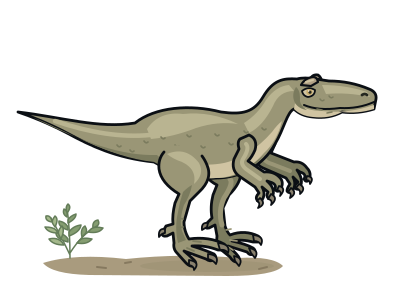
- Feathered theropodsFeathers spread through this group long before any of them flew.
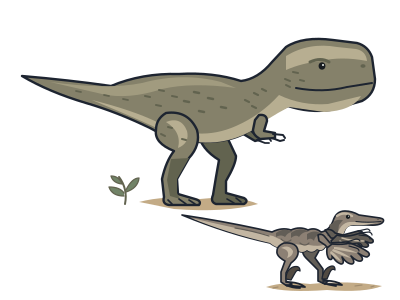
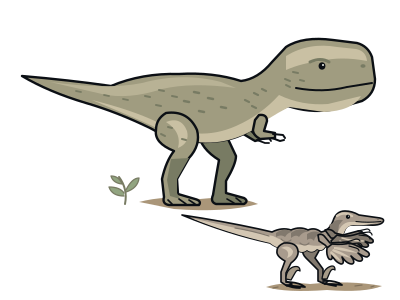
- MegalosaurusThe first dinosaur ever named, in 1824, from bones found near Oxford.
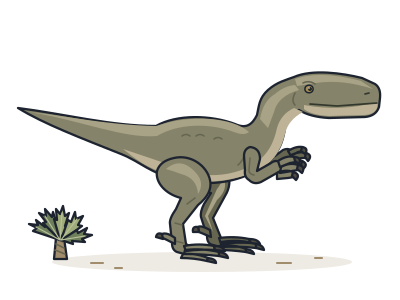
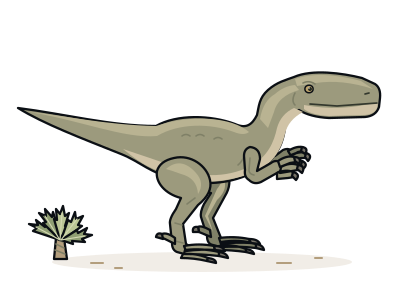
- GiganotosaurusA South American predator as big as T. rex, but with a narrower, blade-toothed skull.
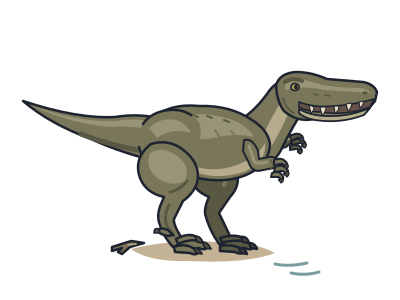
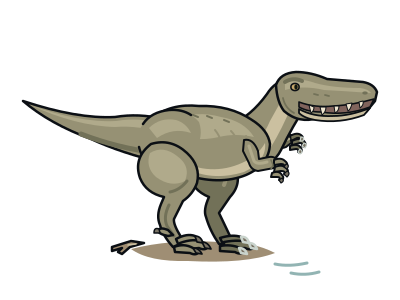
- CarcharodontosaurusA giant African predator named for its shark-like, blade-shaped teeth.