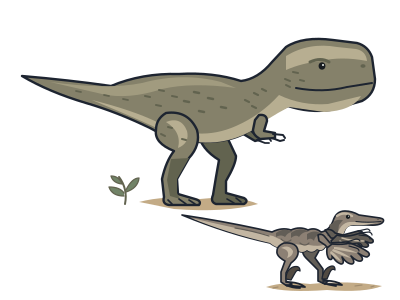
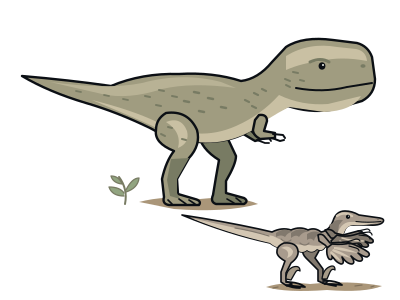
A group of living things
Feathered theropods
Coelurosauria
Feathers came before flight.
This branch is shown at about 170 million years ago; its age is a rough estimate.
You and feathered theropods meet in the Amniotes branch, shown at about 320 million years ago (on 4 December, in a calendar from life's shared ancestor to today).
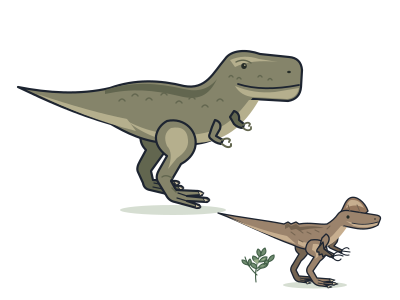
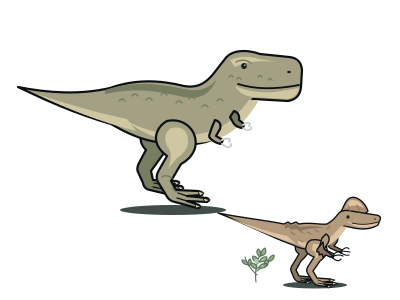
Feathers spread through this dinosaur family long before any of its members flew. This branch brings together tyrannosaurs, raptors and birds. That puts T. rex in the same broad family as the birds alive today. Birds are not simply lookalikes of vanished dinosaurs: they are living members of this group.
But belonging here does not mean every species is known to have had feathers. T. rex fossils preserve scaly skin, and none has yet provided direct evidence of feathers. Its feathered relatives offer clues, not proof that it had the same covering. Finding feathers on a dinosaur does not, by itself, mean that animal could fly.
The group's non-bird members died out about 66 million years ago. Birds survived, so the whole branch did not disappear. Its story continues with living birds, rather than ending with the last T. rex.
Six tiny clues
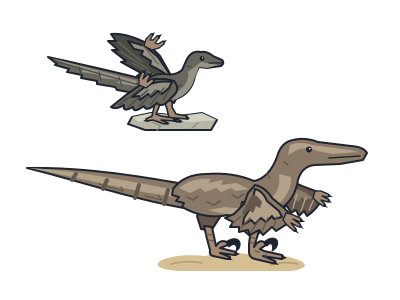
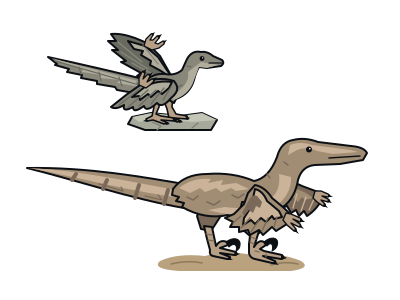
One Velociraptor forearm has six small bumps where large feathers were anchored.
Sitting over nests
Some members called oviraptorosaurs were fossilised sitting over nests in a bird-like position, supporting the idea that they tended their eggs.
A bus-sized relative
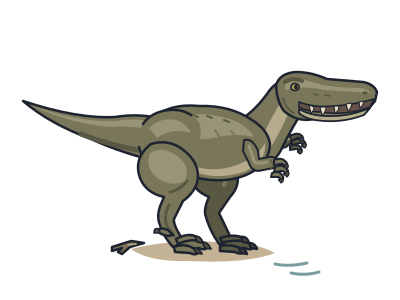
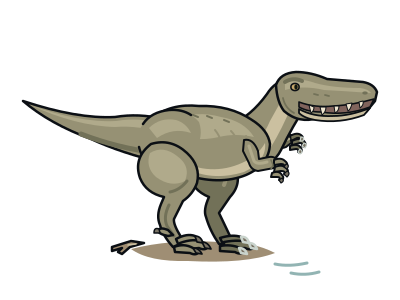
An adult T. rex was about 12 metres long, roughly the length of a bus.
Inside feathered theropods
- Raptors and birdsVelociraptor is one of the closest cousins of birds and had feathered arms.
- CompsognathusA chicken-sized hunter; one fossil has a lizard in its stomach.
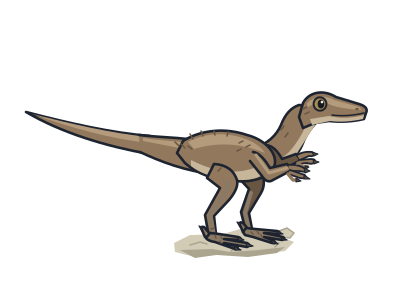
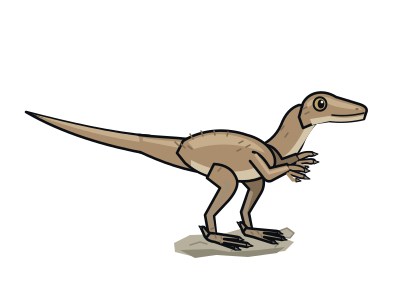
- SinosauropteryxThe first dinosaur found with feathers; its fuzz shows a ginger-and-white striped tail.
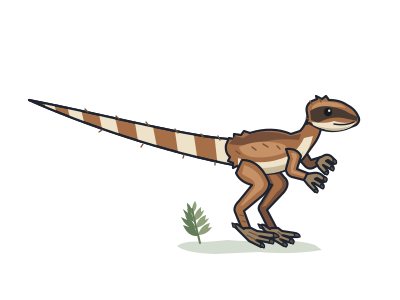
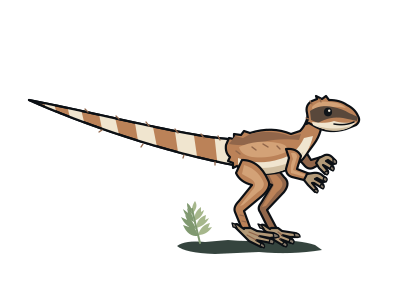
- TyrannosaursTyrannosaurs started small and feathered; giants came only at the very end.
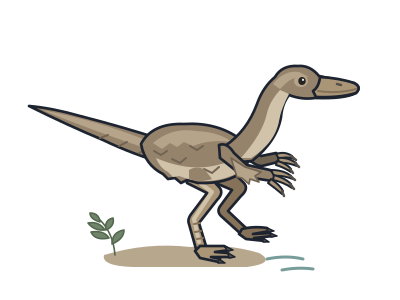
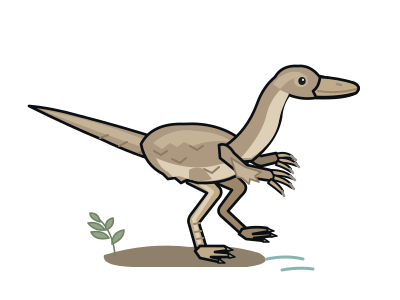
- GallimimusAn ostrich-like dinosaur with a toothless beak, built to sprint.
- TherizinosaurusA pot-bellied plant-eating theropod with metre-long claws like scythes.
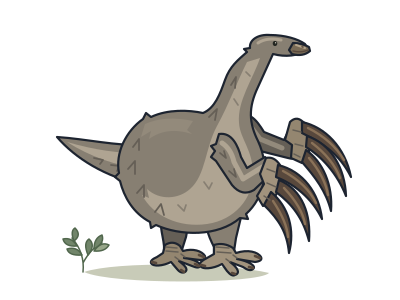
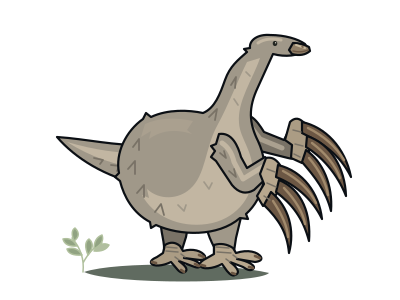
- OviraptorNamed 'egg thief', but later fossils showed its relatives were sitting on their own nests.
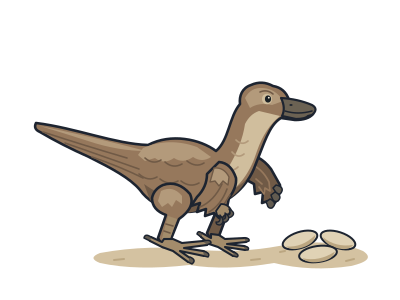
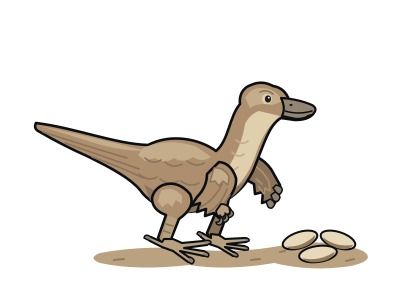
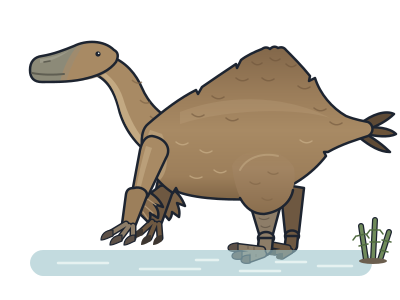
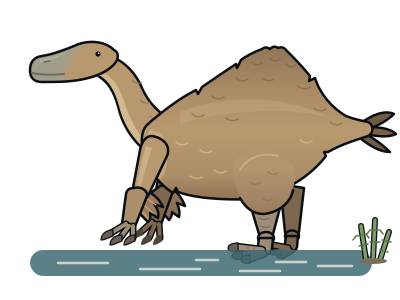
- DeinocheirusKnown for decades only from giant arms, it turned out to be a humpbacked, duck-billed ostrich dinosaur.
Next to it on the tree
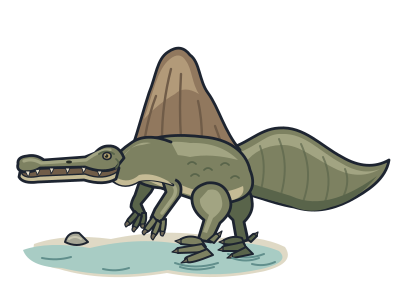
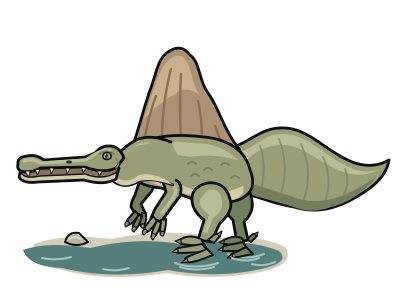
- SpinosaurusA sail-backed river hunter longer than T. rex that probably fished like a heron.
- AllosaurusThe top predator of the Jurassic, millions of years before T. rex.
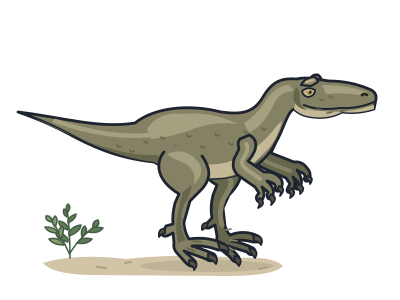
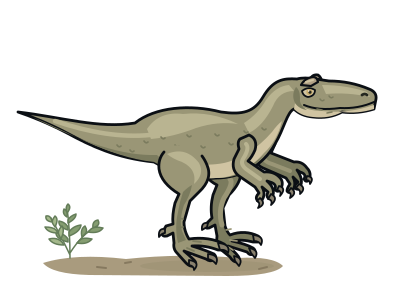
- MegalosaurusThe first dinosaur ever named, in 1824, from bones found near Oxford.
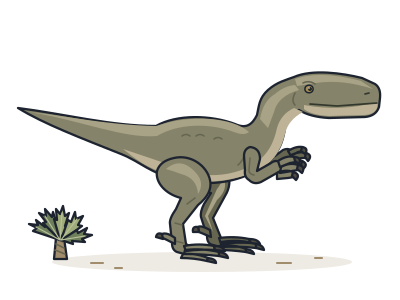
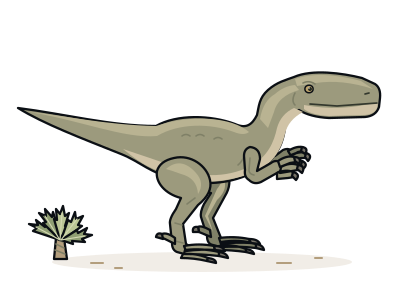
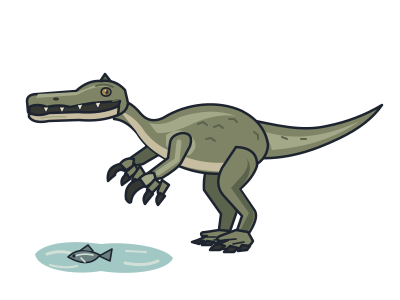
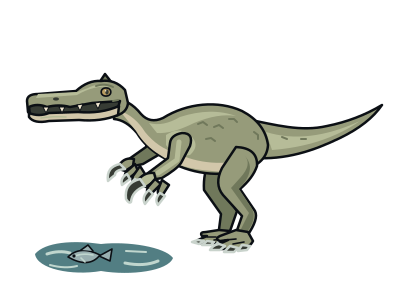
- BaryonyxA fish-eater with a huge thumb claw, found with fish scales in its stomach.
- GiganotosaurusA South American predator as big as T. rex, but with a narrower, blade-toothed skull.
- CarcharodontosaurusA giant African predator named for its shark-like, blade-shaped teeth.