An extinct group
Tyrannosaurs †
Tyrannosauroidea
Small beginnings, giant relatives
This branch is shown at about 165 million years ago; its age is a rough estimate.
Lived about 165–66 million years ago.
You and tyrannosaurs meet in the Amniotes branch, shown at about 320 million years ago (on 4 December, in a calendar from life's shared ancestor to today).
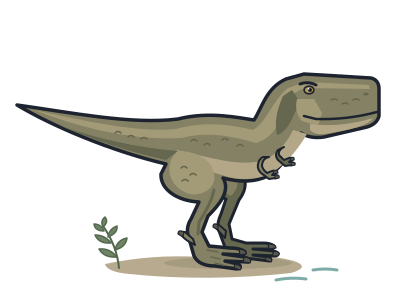
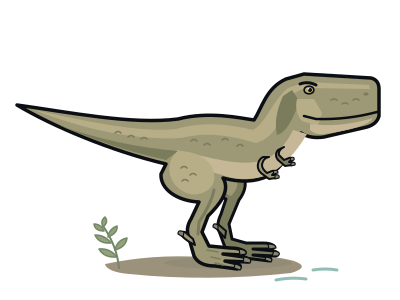
Tyrannosaurs were not always giants like T. rex. Most early members were small predators, and fossils showed that some relatives had feathers. This family lived about 165 to 66 million years ago. It belonged to a wider group of feathered dinosaurs that also included birds, though birds belonged to a different branch.
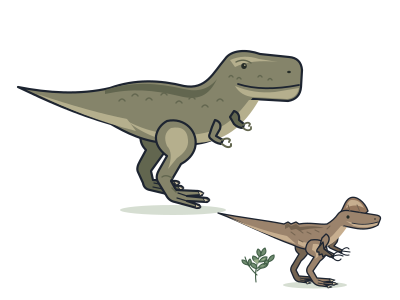
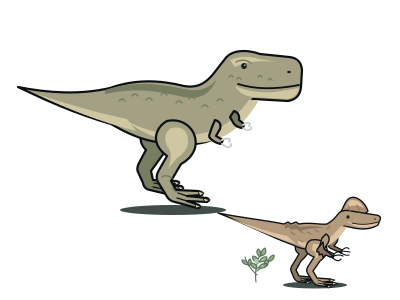
Picture a small Guanlong beside a huge T. rex. They were relatives, but Guanlong was not a proven direct ancestor of T. rex. Nor were they neighbours: they lived in different places and times. Their contrast showed how much variety this family contained.
The change was not a simple climb from small to enormous. Yutyrannus was already large about 125 million years ago, and its fossils preserved feather impressions on several body regions. The especially massive, heavy-headed predators appeared later. Animals longer than about 10 metres became part of the family's story towards its end—not its beginning.
A delicate crown
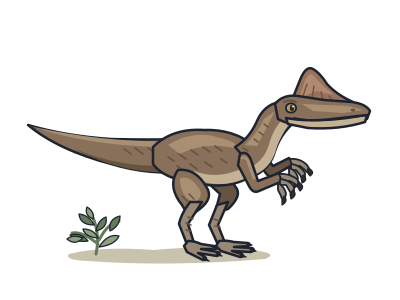
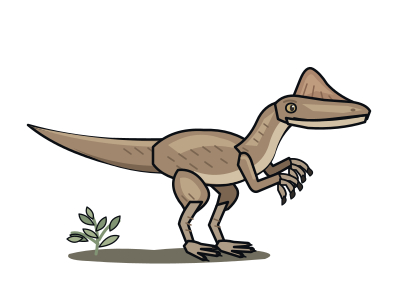
Guanlong had a thin, air-filled crest along its snout. Its delicate build suggested it was not a substantial weapon.
Different hands
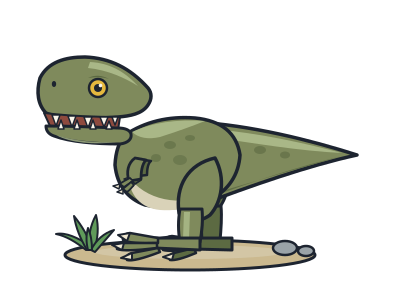
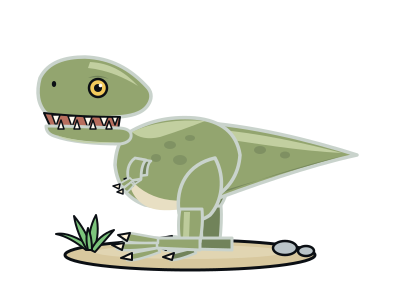
Guanlong had relatively long arms with three fingers on each hand. T. rex had short arms with two.
Three revealing skeletons
Yutyrannus was known from three skeletons. The two smaller ones were almost complete.
Inside tyrannosaurs
- Tyrannosaurus rexThe famous predator was a closer relative of a chicken than of Triceratops.
- GuanlongAn early, small tyrannosaur with a showy crest on its snout.
- YutyrannusA nine-metre tyrannosaur covered in long, shaggy feathers.
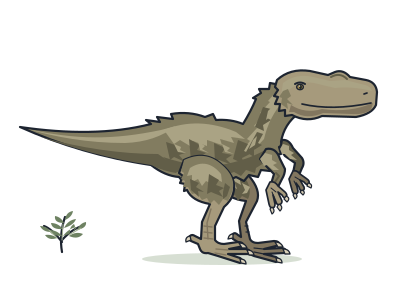
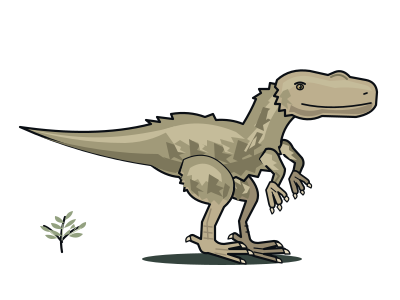
- AlbertosaurusA lighter cousin of T. rex; a bonebed suggests some lived in groups.
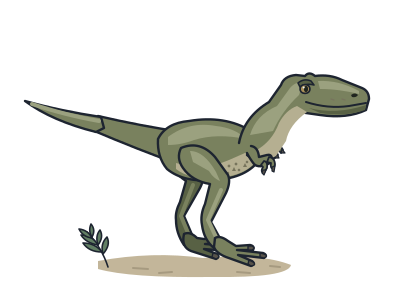
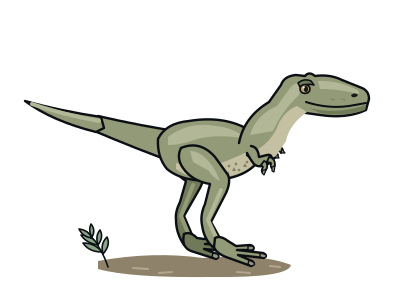
- TarbosaurusT. rex's Asian cousin from Mongolia, with even smaller arms.
Next to it on the tree
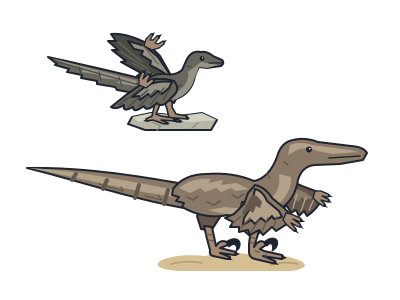
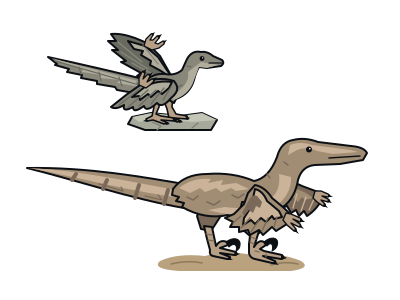
- Raptors and birdsVelociraptor is one of the closest cousins of birds and had feathered arms.
- CompsognathusA chicken-sized hunter; one fossil has a lizard in its stomach.
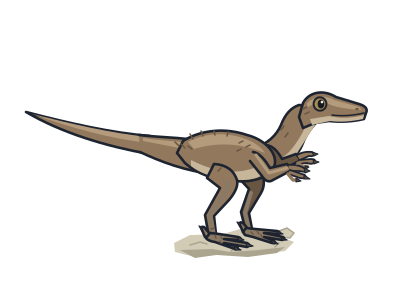
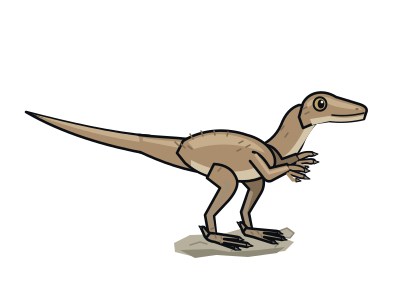
- SinosauropteryxThe first dinosaur found with feathers; its fuzz shows a ginger-and-white striped tail.
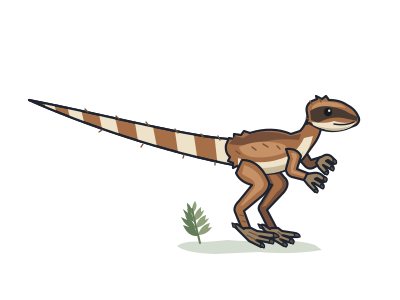
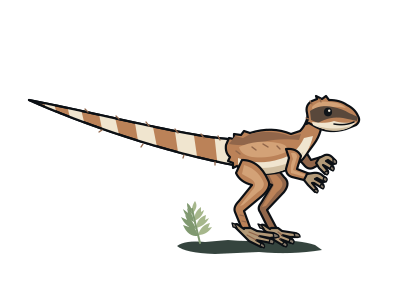
- GallimimusAn ostrich-like dinosaur with a toothless beak, built to sprint.
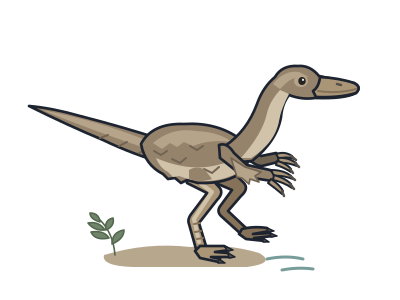
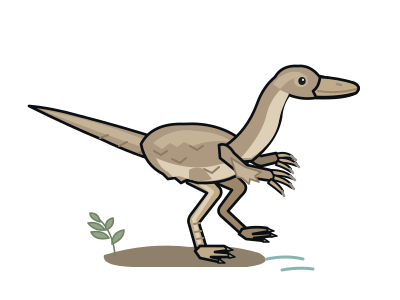
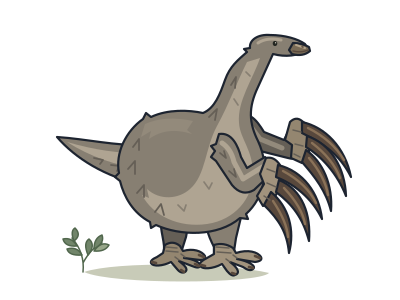
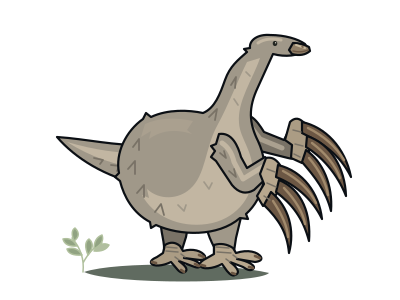
- TherizinosaurusA pot-bellied plant-eating theropod with metre-long claws like scythes.
- OviraptorNamed 'egg thief', but later fossils showed its relatives were sitting on their own nests.
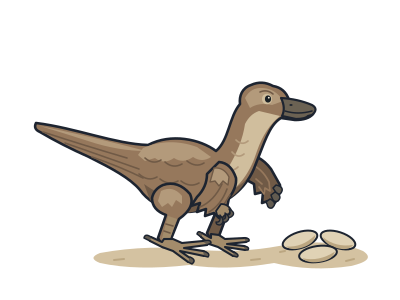
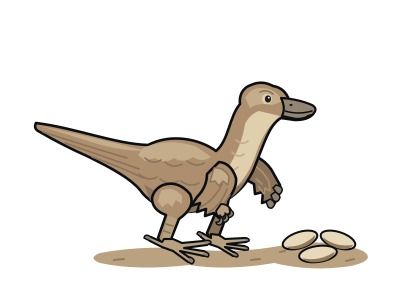
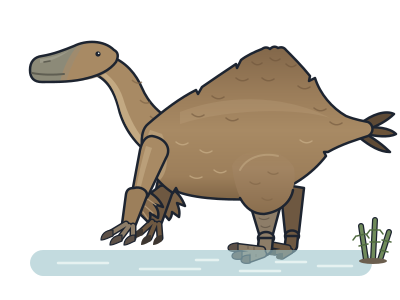
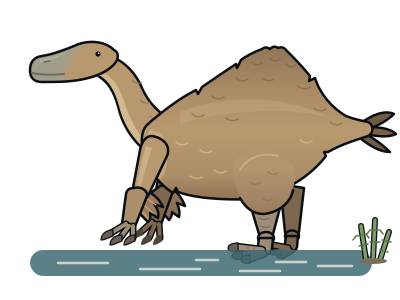
- DeinocheirusKnown for decades only from giant arms, it turned out to be a humpbacked, duck-billed ostrich dinosaur.