An extinct species
Guanlong †
Guanlong wucaii
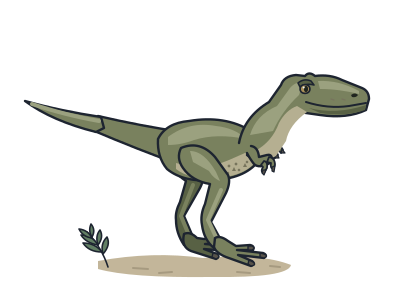
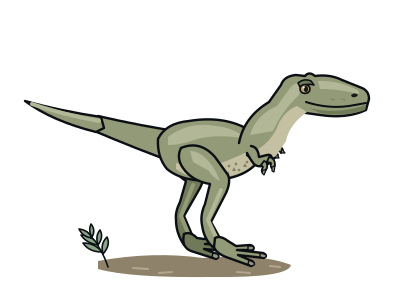
A small tyrannosaur with a showy crest
Lived about 160–158 million years ago.
You and the guanlong meet in the Amniotes branch, shown at about 320 million years ago (on 4 December, in a calendar from life's shared ancestor to today).
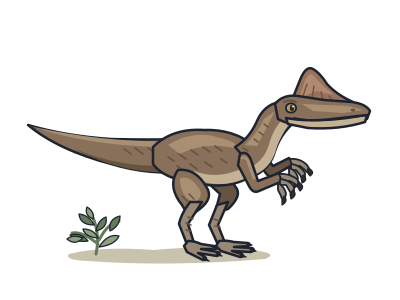
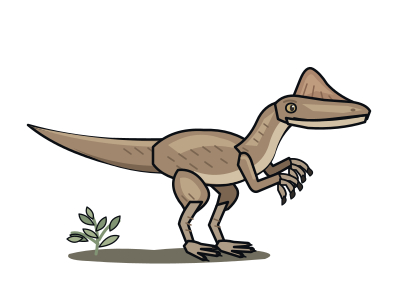
This small, early tyrannosaur was a relative of Tyrannosaurus rex, but it had a striking feature: a tall, thin crest along its snout. It lived about 160 to 158 million years ago, in what is now north-western China. It belonged to an early branch of the tyrannosaur family, rather than being a proven direct ancestor of T. rex.
Unlike T. rex, it had relatively long arms and three fingers on each hand. Its long snout carried blade-like teeth along the sides of its jaws. These teeth suggested that it ate meat. Its crest contained large air spaces supported by thin sheets of bone.
The original description recorded two skeletons: a mostly complete adult and a nearly complete youngster. Many bones were still connected. These fossils revealed details of its frame, hands and teeth, but did not preserve its complete outward appearance.
A small crown
The crest stood about 6 centimetres high.
Ages written in bone
Growth marks in the bones suggested that the adult died at about 12 years old and the youngster at about six.
Colours in the rocks
Its name meant ‘crowned dragon’. The reference to five colours in its scientific name described the fossil-bearing rocks, not the animal’s colour.
Next to it on the tree
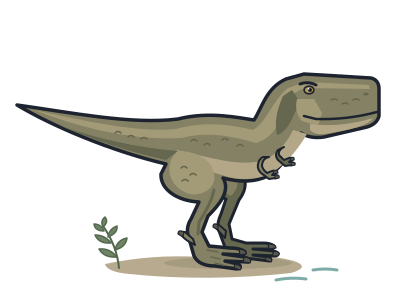
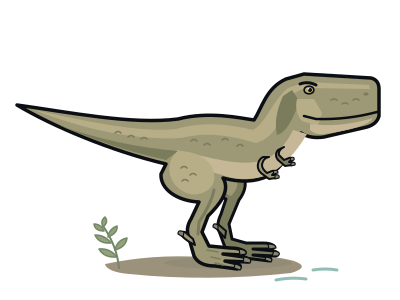
- Tyrannosaurus rexThe famous predator was a closer relative of a chicken than of Triceratops.
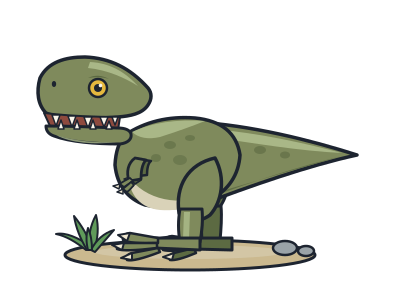
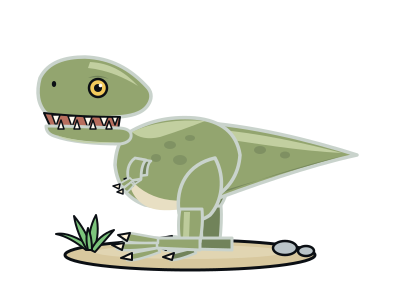
- YutyrannusA nine-metre tyrannosaur covered in long, shaggy feathers.
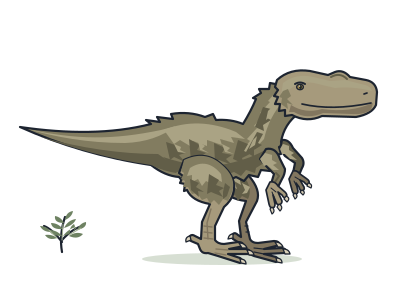
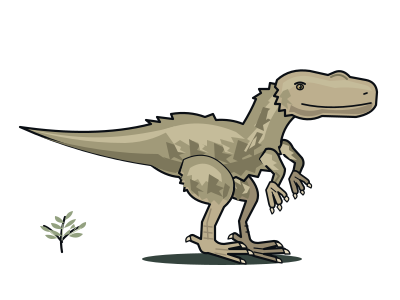
- AlbertosaurusA lighter cousin of T. rex; a bonebed suggests some lived in groups.
- TarbosaurusT. rex's Asian cousin from Mongolia, with even smaller arms.