An extinct species
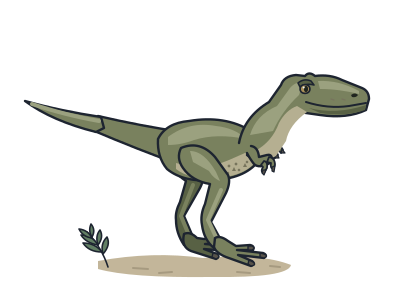
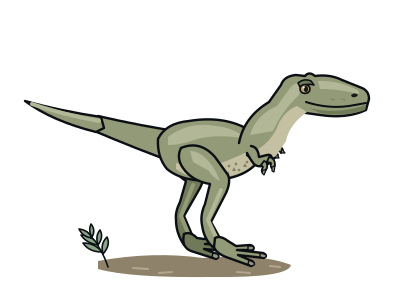
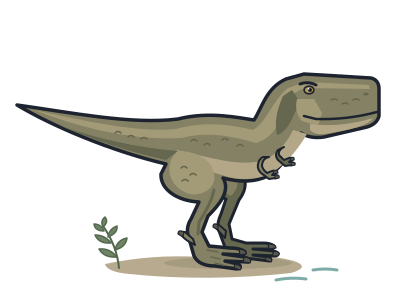
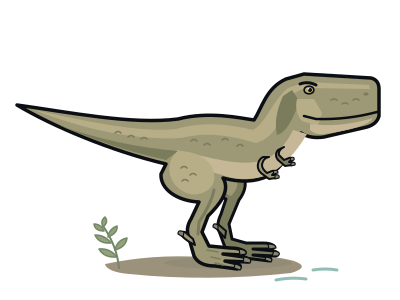
Tarbosaurus †
Tarbosaurus bataar
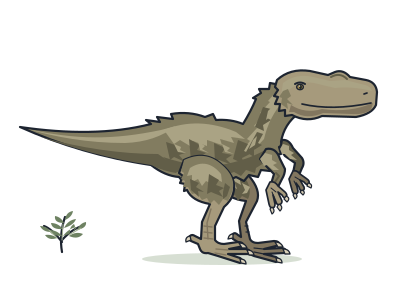
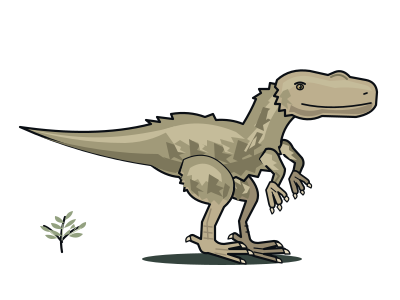
T. rex’s Mongolian cousin, with even tinier arms
Lived about 70–68 million years ago.
You and the tarbosaurus meet in the Amniotes branch, shown at about 320 million years ago (on 4 December, in a calendar from life's shared ancestor to today).
T. rex’s Mongolian cousin had even smaller arms for its body size. It lived about 70 to 68 million years ago, and large adults reached about 10–12 metres long—roughly the length of a bus. The family resemblance was strong, but this dinosaur was not simply an Asian copy of its famous relative.
Fossil skulls showed some important differences. Its head was narrower than T. rex’s when viewed from above, though both had deep skulls and powerful jaws. Interlocking bones helped stiffen its lower jaw. These details revealed differences in the bones used for feeding, despite the close family connection.
Its home was different from the dry landscape around its fossil sites today. It lived on humid, low-lying land crossed by rivers in what became southern Mongolia’s Gobi Desert. Fossils also showed that youngsters were not just smaller copies of adults: their skulls were more delicate and lacked the adults’ strong reinforcements.
Found in 1946
A Soviet–Mongolian expedition discovered its first recognised fossils in Mongolia in 1946.
A different first name
When it was described in 1955, it was named as a species of Tyrannosaurus.
A remarkable youngster
A youngster found in 2006 was estimated to be about 2.7 metres long. Its skull was about 29 centimetres long.
Next to it on the tree
- Tyrannosaurus rexThe famous predator was a closer relative of a chicken than of Triceratops.
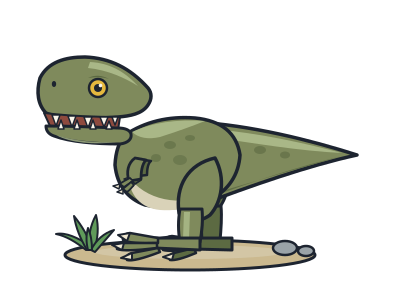
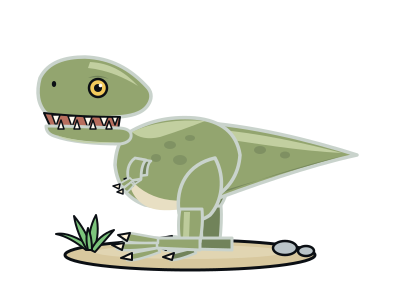
- GuanlongAn early, small tyrannosaur with a showy crest on its snout.
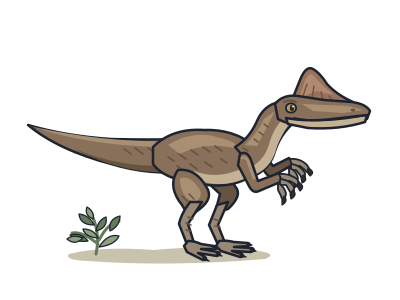
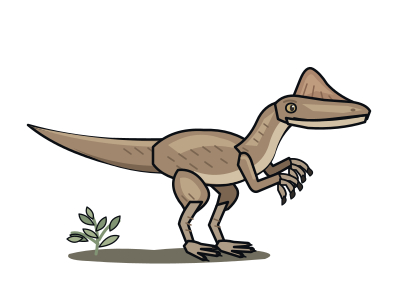
- YutyrannusA nine-metre tyrannosaur covered in long, shaggy feathers.
- AlbertosaurusA lighter cousin of T. rex; a bonebed suggests some lived in groups.