An extinct species
Therizinosaurus †
Therizinosaurus cheloniformis
A pot-bellied plant-eater from a family famous for meat-eaters.
Lived about 70–68 million years ago.
You and the therizinosaurus meet in the Amniotes branch, shown at about 320 million years ago (on 4 December, in a calendar from life's shared ancestor to today).
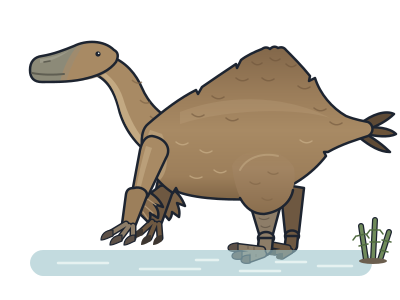
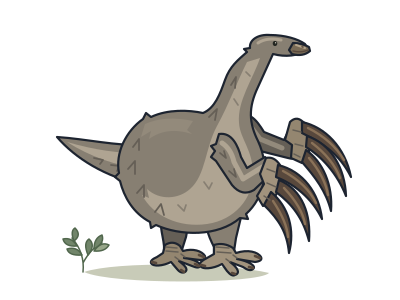
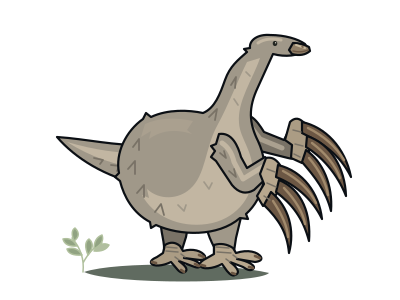
With a reconstructed pot belly and huge, scythe-like claws, this plant-eater was an unexpected member of the theropods—the dinosaur group that included Tyrannosaurus. Its family connections also included raptors and living birds. It lived about 70 to 68 million years ago.
The giant arm and claw bones were real fossil evidence. One study put the combined length of its arm and finger bones at about 2.4 metres—longer than an adult person was tall. The claws would have carried an outer covering made of the same material as human fingernails. This would have extended beyond the bone.
Scientists did not have a complete skeleton to work from. Fossils included parts of the arms, shoulders and ribs. To fill the gaps, researchers compared it with better-known relatives. Its broad hips and belly were reconstructed, rather than preserved as a complete outline. Its plant-eating diet was also inferred from relatives, not from a meal found inside its body.
Three claws per hand
Each hand had three clawed fingers.
A blade-inspired name
Its name meant ‘scythe lizard’, referring to its blade-like claws.
A greener Mongolia
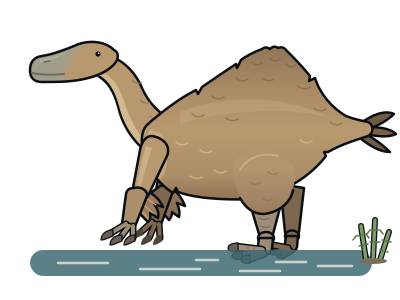
Its Mongolian home was a fertile floodplain, much wetter than the desert landscape there today.
Next to it on the tree
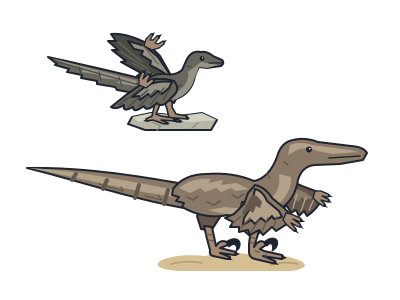
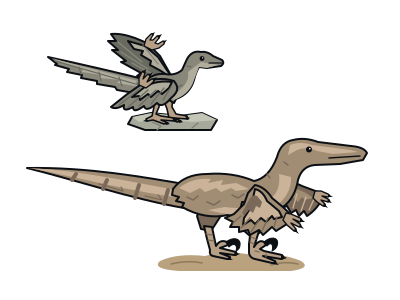
- Raptors and birdsVelociraptor is one of the closest cousins of birds and had feathered arms.
- CompsognathusA chicken-sized hunter; one fossil has a lizard in its stomach.
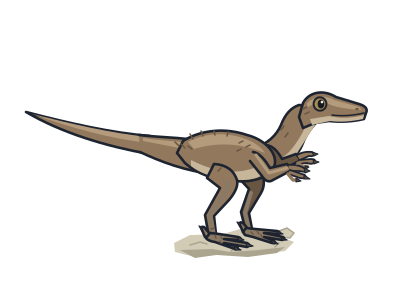
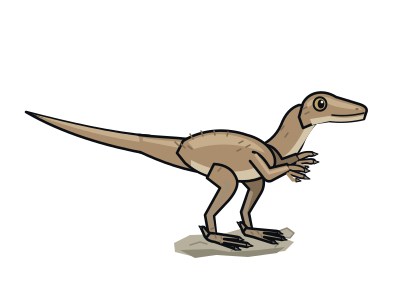
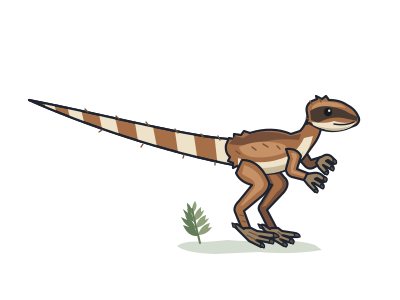
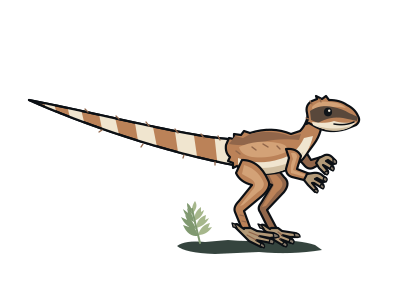
- SinosauropteryxThe first dinosaur found with feathers; its fuzz shows a ginger-and-white striped tail.
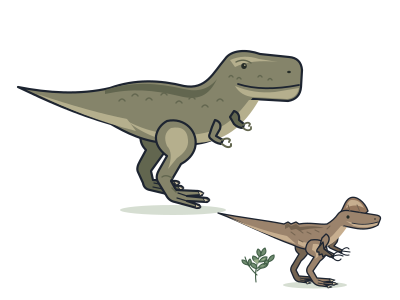
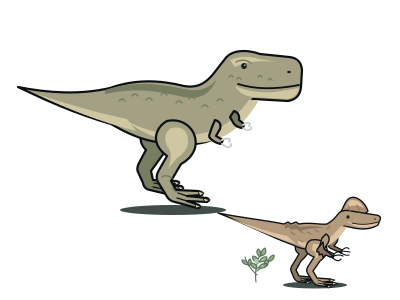
- TyrannosaursTyrannosaurs started small and feathered; giants came only at the very end.
- GallimimusAn ostrich-like dinosaur with a toothless beak, built to sprint.
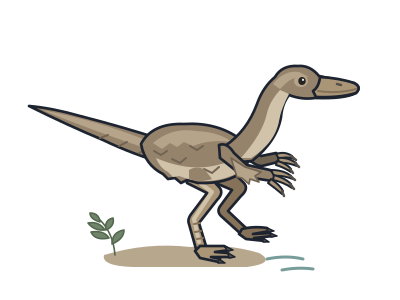
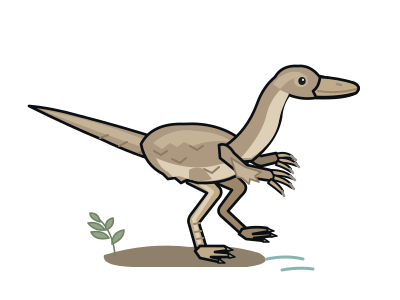
- OviraptorNamed 'egg thief', but later fossils showed its relatives were sitting on their own nests.
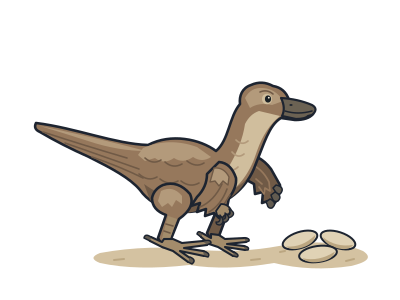
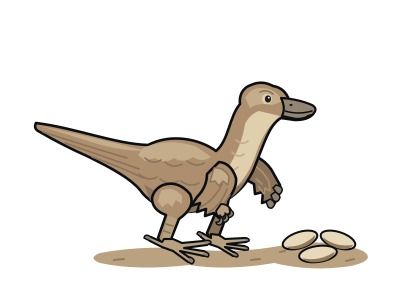
- DeinocheirusKnown for decades only from giant arms, it turned out to be a humpbacked, duck-billed ostrich dinosaur.