An extinct species
Archaeopteryx †
Archaeopteryx lithographica
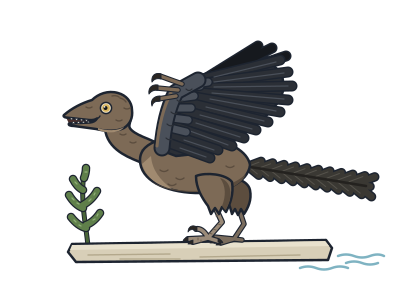
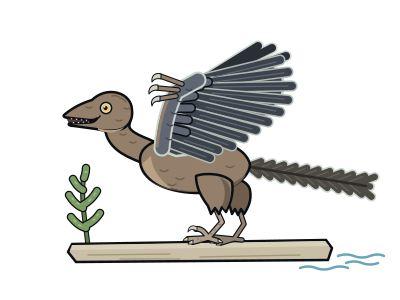
Half bird, half dinosaur: feathered wings, but also teeth, claws and a bony tail.
Lived about 151–149 million years ago.
You and the archaeopteryx meet in the Amniotes branch, shown at about 320 million years ago (on 4 December, in a calendar from life's shared ancestor to today).
This animal mixed bird features with features of older dinosaurs. Like a bird, it had feathered wings and a wishbone. But it also had a mouth full of small pointed teeth, three clawed fingers on each wing and a long bony tail. No bird alive today has teeth or a long bony tail, and none has three separate clawed fingers on each wing.
It lived about 151 to 149 million years ago in what is now southern Germany. Back then the area was a warm chain of low islands around shallow, salty lagoons. The biggest of these animals were about the size of a raven, roughly 50 centimetres long, and much of that length was neck and tail.
Fossils show its bones and the outlines of its feathers, pressed into very fine limestone. Its skeleton is so like a dinosaur's that one fossil with faint feathers was first mistaken for a small dinosaur. On the tree it sits in the group that joins raptor dinosaurs and birds.
How it lived has to be worked out from clues. Its wing bones were thin-walled, like those of flying birds. This suggests it could flap in short bursts, a bit like a pheasant, but could not fly as well as a modern bird. Scaly pads under its toes suggest it spent lots of time walking on the ground.
Feathers that fill the gap
A small, nearly complete fossil described in 2025 showed long feathers on its upper arm, the first time these had been seen in this animal. They closed the gap between the wing and the body, which scientists say a wing needs to lift an animal.
Feathered trousers
Its legs had feathered 'trousers'. Its second toe had a curved claw that it seems to have been able to lift up, a bit like the raised toe claw of raptor dinosaurs.
Not a fake
In the 1980s, some people claimed the feathered fossils were forgeries. Scientists showed that these claims were wrong and came from misunderstanding the rocks.
Next to it on the tree
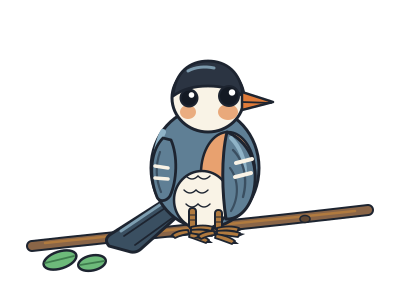
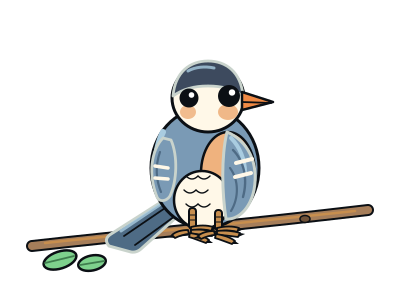
- BirdsThe dinosaurs that survived the asteroid; feathers came before flight.
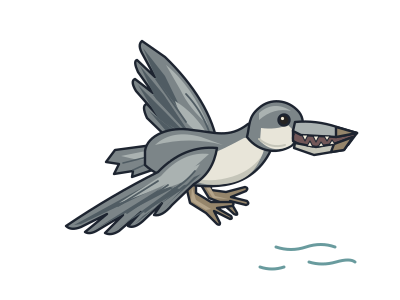
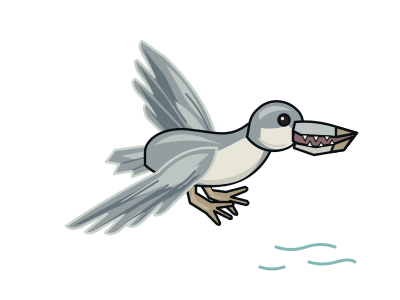
- IchthyornisA seabird with a modern wing and a beak still full of teeth.
- RaptorsSickle-clawed, feathered hunters, from crow-sized gliders to five-metre giants.
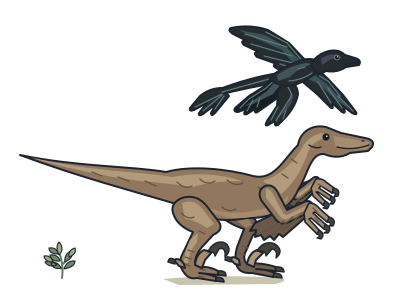
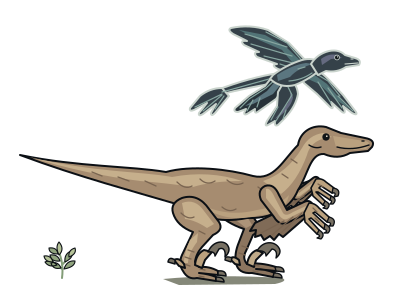
- TroodonA big-eyed, big-brained hunter, once nicknamed the smartest dinosaur.
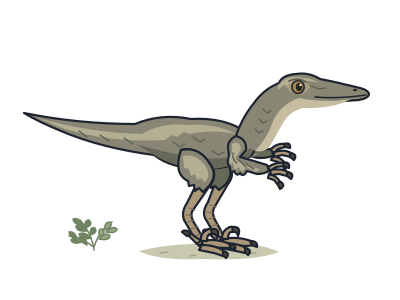
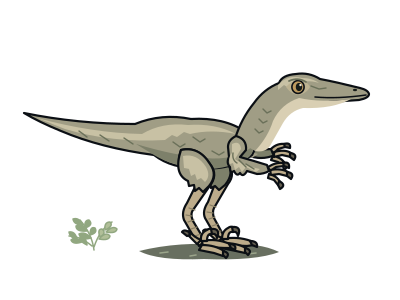
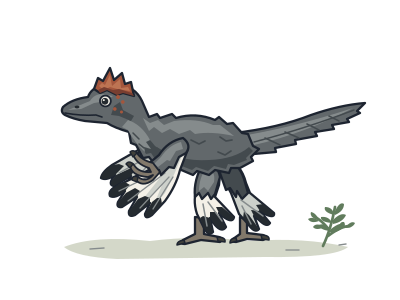
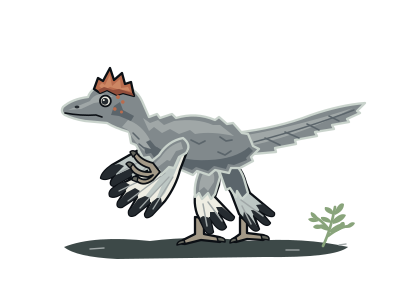
- AnchiornisThe first dinosaur whose whole colour pattern was worked out: grey with a red crest.
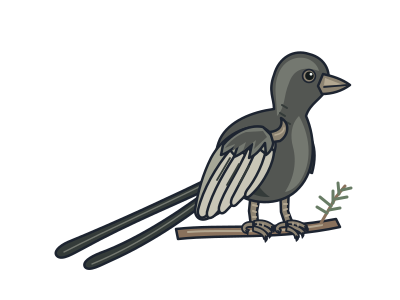
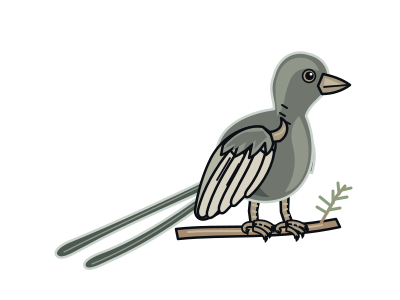
- ConfuciusornisOne of the first birds with a toothless beak, known from thousands of fossils.
- HesperornisA flightless, toothed diving bird of Cretaceous seas, with tiny stub wings.