An extinct group
Raptors †
Dromaeosauridae
Feathered bird relatives with sickle-shaped claws
This branch is shown at about 155 million years ago; its age is a rough estimate.
Lived about 155–66 million years ago.
You and raptors meet in the Amniotes branch, shown at about 320 million years ago (on 4 December, in a calendar from life's shared ancestor to today).
These sickle-clawed, feathered hunters were close relatives of birds, not oversized lizards. They lived roughly 155 to 66 million years ago, though their earliest fossil records were uncertain. Their family included crow-sized Microraptor and large ground hunters such as Deinonychus and Utahraptor. There was no single raptor size or way of life.
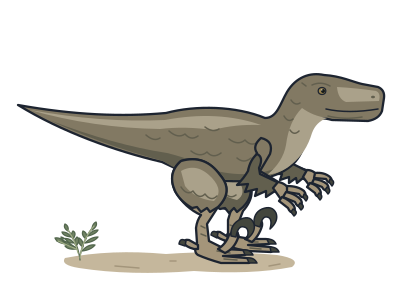
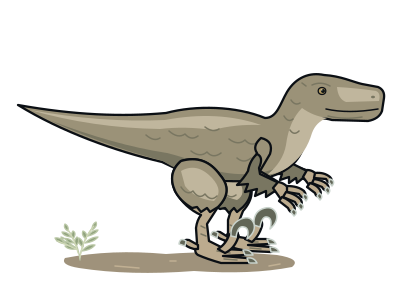
Their skeletons showed a shared body plan: two hind legs, long arms and three clawed fingers on each hand. Deinonychus was estimated to have been about 3.4 metres long from snout to tail. Each foot carried a large, curved claw on its second toe. It held that claw above the ground while walking.
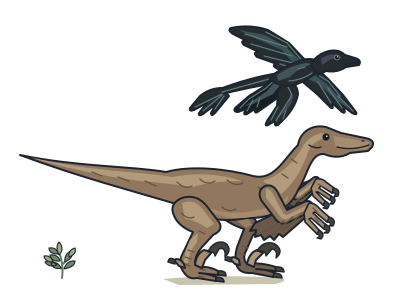
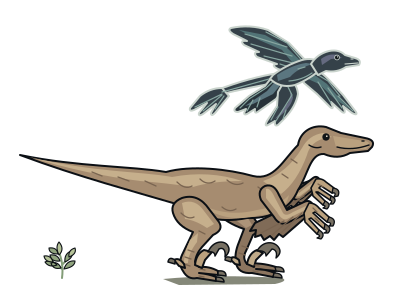
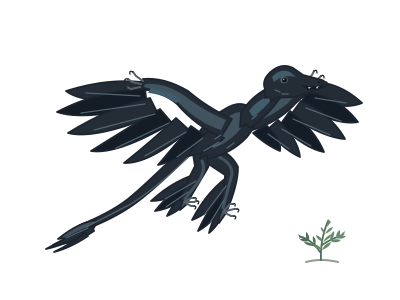
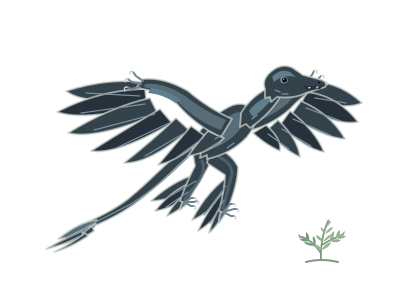
Microraptor offered a very different picture. Its fossils preserved long feathers on both arms and both hind legs, making four wing-like surfaces. It still had just four limbs, not extra wings sprouting from its back. These fossils showed the feathers themselves, rather than leaving scientists to infer them from relatives.
A balancing tail
Deinonychus had a long, stiffened tail that helped balance its body.
Meals preserved
Microraptor fossils contained remains of mammals, birds, fish and lizards, providing direct evidence of a varied diet.
Changing the dinosaur picture
John Ostrom's studies of Deinonychus helped overturn the idea that dinosaurs were all slow, lumbering animals.
Inside raptors
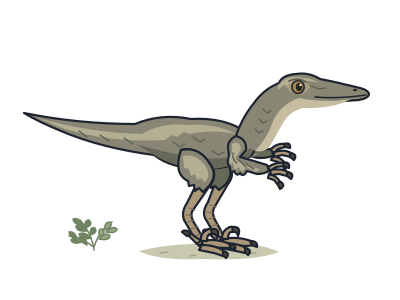
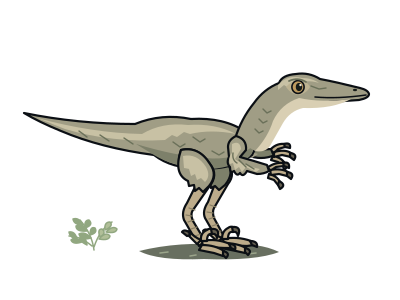
- VelociraptorTurkey-sized, feathered and fast, unlike the scaly giants in the films.
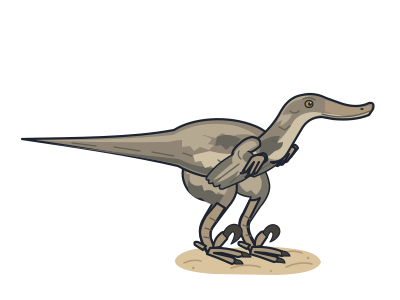
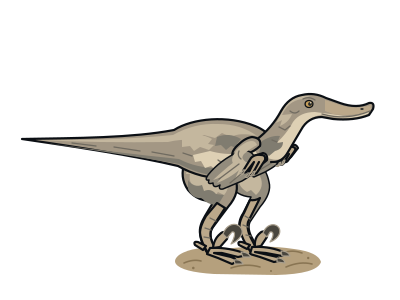
- DeinonychusIts discovery in 1964 showed dinosaurs could be fast, active and bird-like.
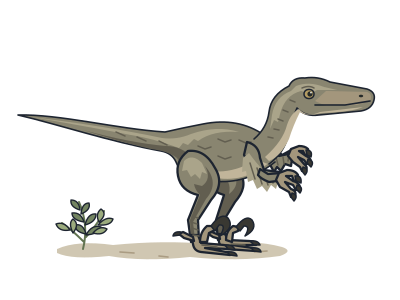
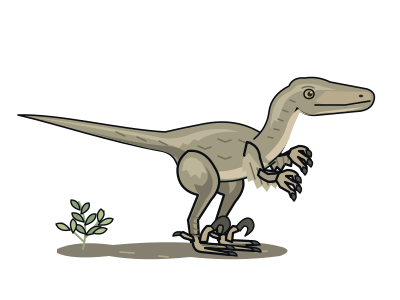
- MicroraptorA crow-sized raptor with feathered wings on its arms and legs, and glossy black plumage.
- UtahraptorThe biggest raptor, about the size of a polar bear, with a 24 cm killing claw.
Next to it on the tree
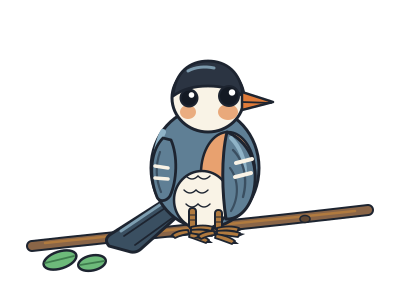
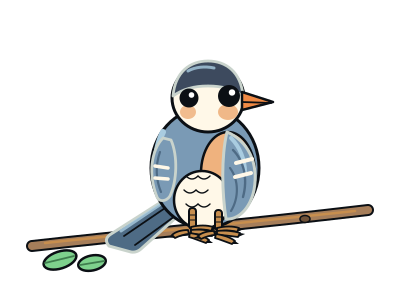
- BirdsThe dinosaurs that survived the asteroid; feathers came before flight.
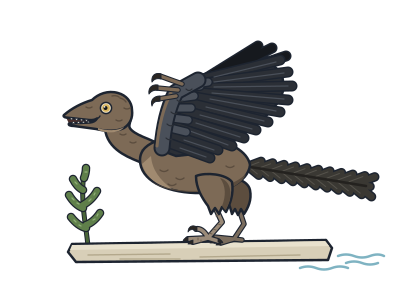
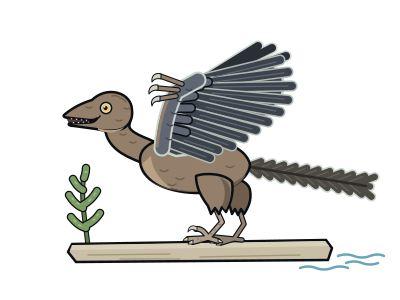
- ArchaeopteryxHalf bird, half dinosaur: feathered wings, but also teeth, claws and a bony tail.
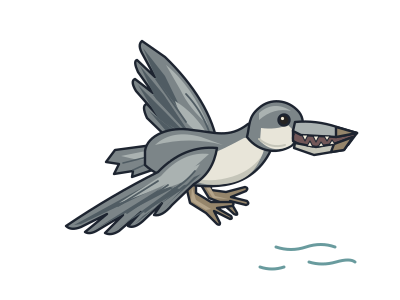
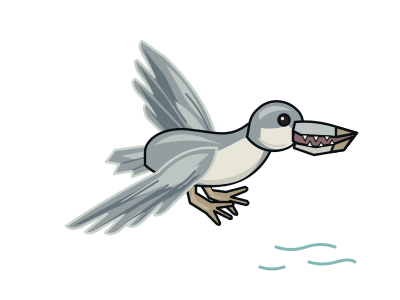
- IchthyornisA seabird with a modern wing and a beak still full of teeth.
- TroodonA big-eyed, big-brained hunter, once nicknamed the smartest dinosaur.
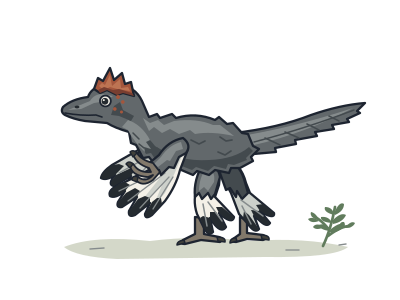
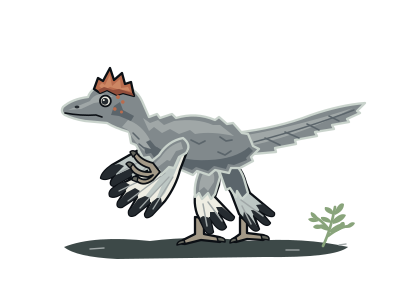
- AnchiornisThe first dinosaur whose whole colour pattern was worked out: grey with a red crest.
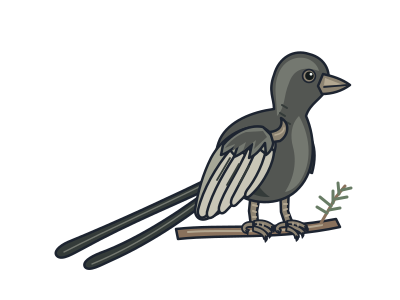
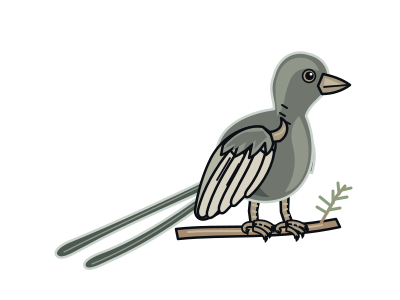
- ConfuciusornisOne of the first birds with a toothless beak, known from thousands of fossils.
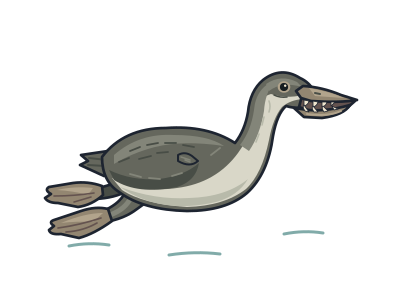
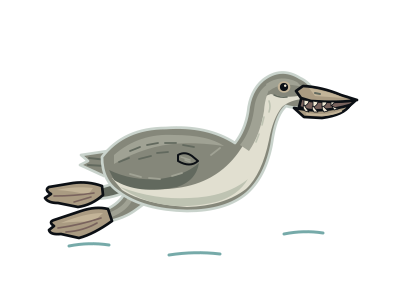
- HesperornisA flightless, toothed diving bird of Cretaceous seas, with tiny stub wings.