A group of living things
Flask fungi
Sordariomycetes
Tiny flasks that fire spores, and some of nature's strangest parasites
This branch is shown at about 260 million years ago; its age is a rough estimate.
You and flask fungi meet in the Fungi and animals branch, shown at about 1.3 billion years ago (on 10 September, in a calendar from life's shared ancestor to today).
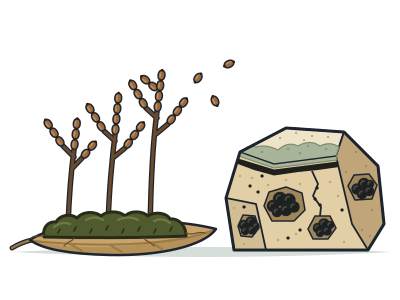
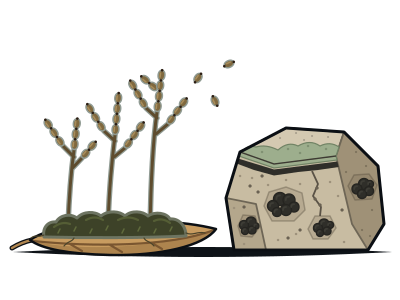
Flask fungi make their spores inside tiny flask-shaped chambers, each usually smaller than a pinhead. The flask has a narrow neck with a small hole at the top. When the spores are ripe, many species fire them out through that hole using built-up water pressure. In many species, lots of flasks sit together in a dark crust or cushion.
They belong to the sac fungi, so their relatives include tasty morels, prized truffles and the fungi inside lichens. Many flask fungi quietly rot wood and dung, but a surprising number have become parasites of insects, crops and trees.
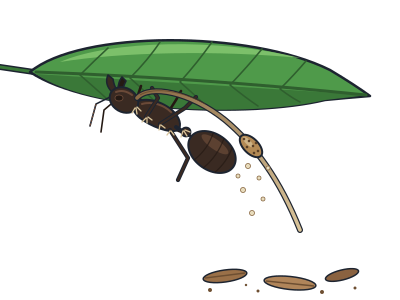
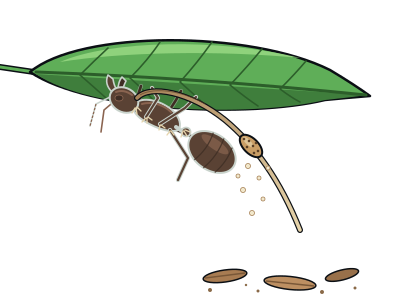
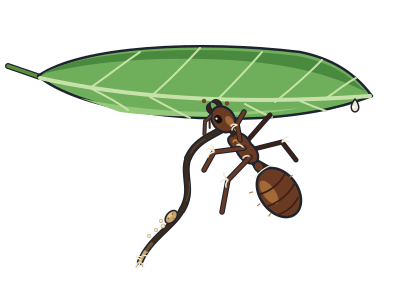
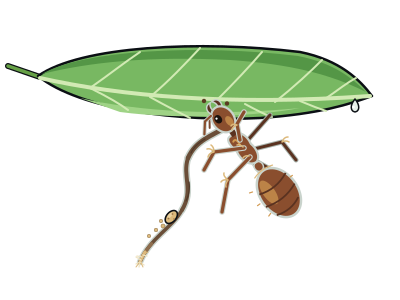
The zombie-ant fungus is the most famous. A spore sticks to a carpenter ant and gets in through its tough outer skin. The ant leaves its usual routine and clamps its jaws onto a leaf vein about 25 centimetres above the ground. Several days after the ant dies, a thin stalk grows from the back of its head and showers spores onto the forest floor, where other ants are looking for food.
Other flask fungi damage farms and forests. Rice blast is the worst disease of farmed rice. In bad years it can destroy up to about 30 per cent of the rice in affected areas. Dutch elm disease clogs the pipes that carry water through elm trees. Two waves of the disease killed an estimated 25 million elms in Britain. The second, worse wave was caused by a newer, more aggressive fungus.
It can punch through plastic
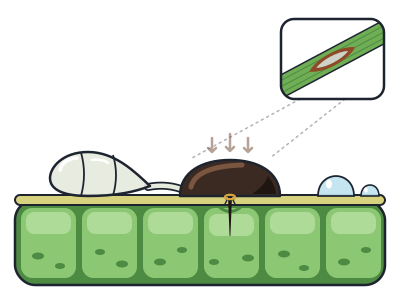
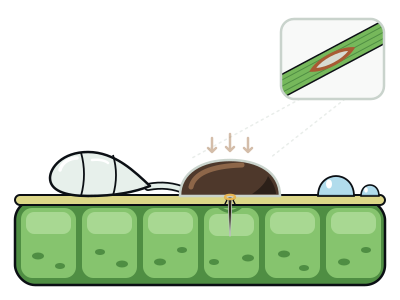
Rice blast breaks into a leaf with a dome-shaped cell that builds up about 40 times the pressure in a car tyre. In lab tests, that was strong enough to push through tough plastic films.
Not just ants
The zombie-ant fungus belongs to a genus of well over 100 known species. Between them, they infect many kinds of insects, from ants and wasps to beetles and moths.
A dirty name
The group's scientific name comes from a fungus called Sordaria. 'Sord' means dirt, the same root as in the word 'sordid'.
Inside flask fungi
- Zombie-ant fungusSteers an infected ant up a plant to bite a leaf, then sprouts from its head.
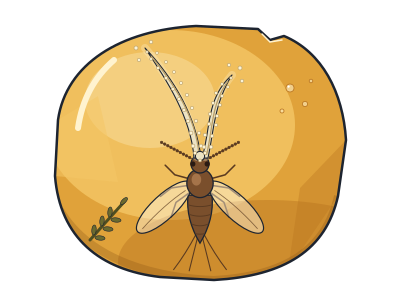
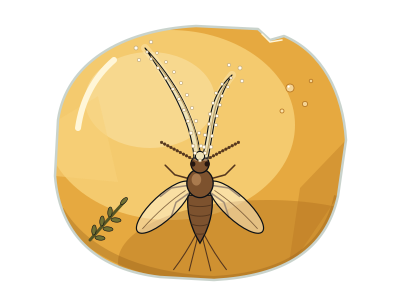
- Amber insect-parasite fungusTwo tiny stalks sprouting from a scale insect's head, frozen in amber since the dinosaurs.
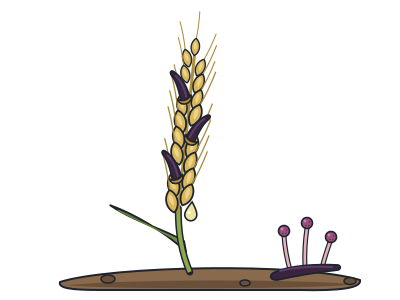
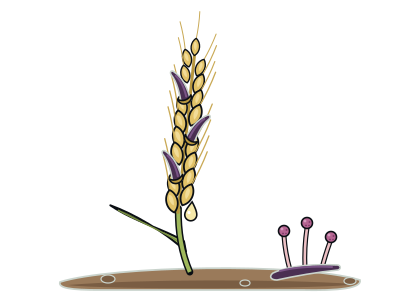
- ErgotDark spurs on rye that once poisoned whole villages and later gave medicines.
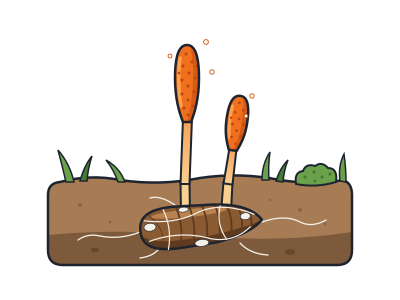
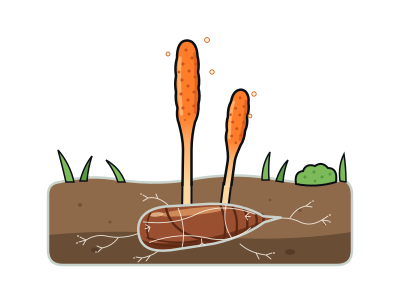
- Orange caterpillar fungusBright orange clubs that grow out of buried moth pupae; now farmed on rice.
- Dutch elm disease fungusSpread by bark beetles, it killed most of the tall elms of Europe and North America.
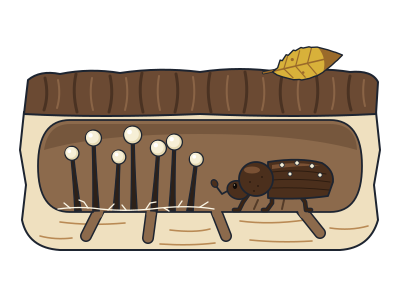
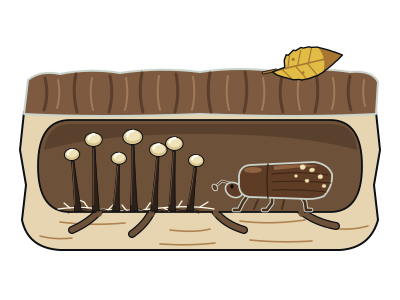
- Red bread mouldAn orange mould that helped prove each gene makes a protein.
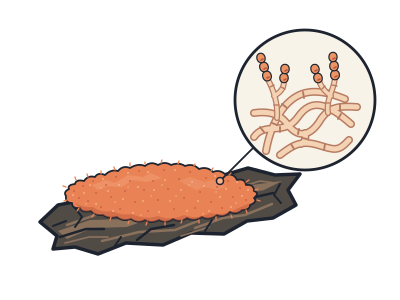
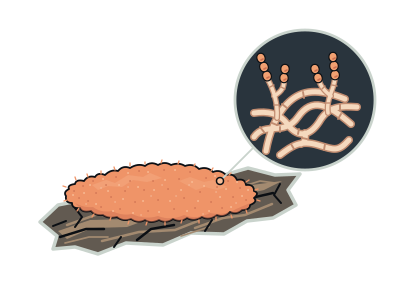
- Rice blast fungusPunches into rice leaves with enormous pressure; it destroys enough rice to feed millions.
Next to it on the tree
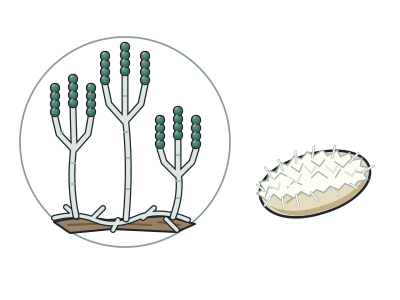
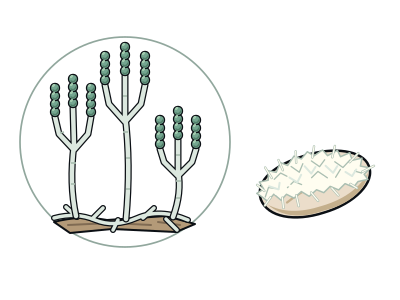
- Blue-green moulds and kinMoulds that gave us penicillin, soy sauce and sake, plus the fungus behind athlete's foot.
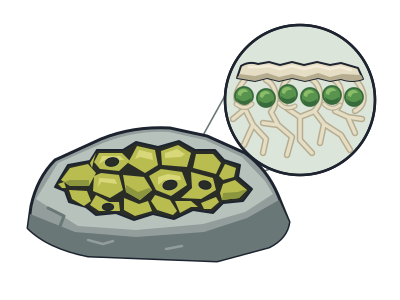
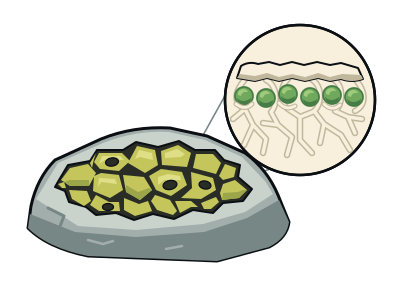
- Lichen fungiFungi that farm algae inside themselves, building lichens that can live on bare rock.
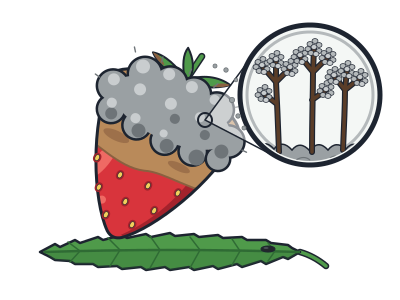
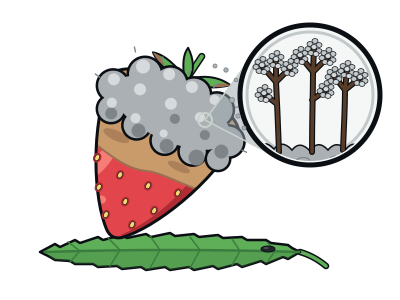
- Grey mouldThe fuzz on rotting strawberries, and the 'noble rot' that sweetens some wines.
- Cup fungi, morels and trufflesTheir spores form in open cups; truffles are cups that folded up and moved underground.
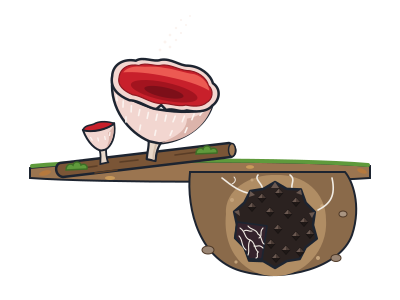
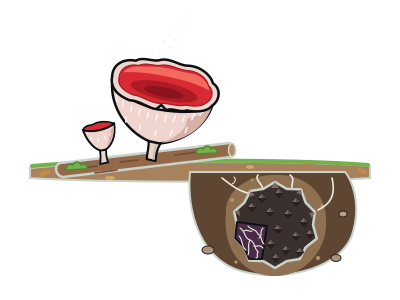
- Dark moulds and rock fungiThe largest class of sac fungi, many with dark walls that shield them from sun, frost and drought.