A species
Dutch elm disease fungus
Ophiostoma novo-ulmi
A fungus you can barely see, carried by beetles, that killed most of the tall elms of Europe and North America.
You and the dutch elm disease fungus meet in the Fungi and animals branch, shown at about 1.3 billion years ago (on 10 September, in a calendar from life's shared ancestor to today).
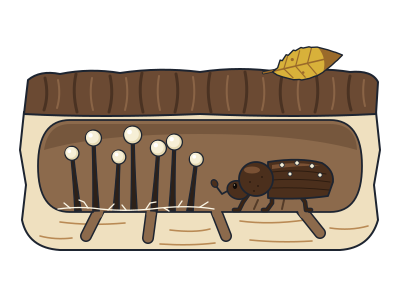
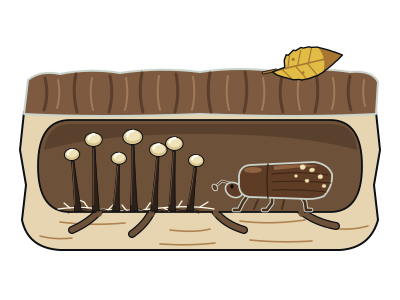
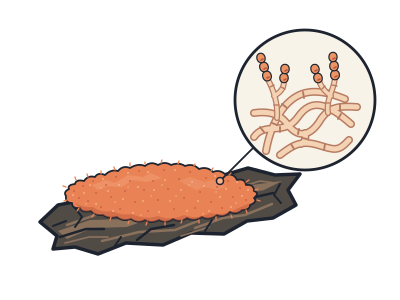
Bark beetles carry this tiny fungus from tree to tree. It did most of the damage when the tall elms of Europe and North America died. It took over from an older, milder species and caused a second, much worse wave of disease. In Britain, about 25 million elms died. That was roughly nine in every ten, and most of them died between the late 1960s and the early 1980s.
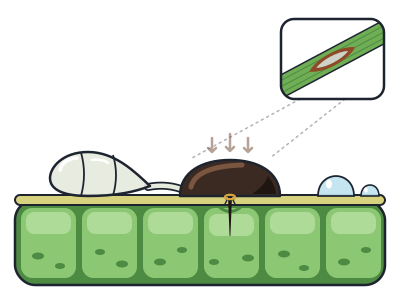
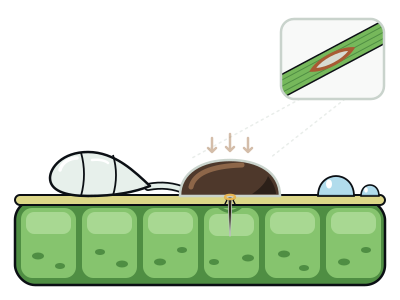
The beetles breed under the bark of dying elms. Sticky spores coat the young beetles there, and the beetles carry them to healthy trees when they feed. The fungus then grows inside the tubes that carry water up the trunk. The tree fights back by plugging its own tubes, so water can't get through and the leaves wilt. An elm with no resistance can die within a few weeks.
This tree-killer belongs to the sac fungi, the same big group as morels. On the tree of life it sits among the flask fungi, near the zombie-ant fungus, ergot and red bread mould.
Despite its name, it did not come from the Netherlands. It is called 'Dutch' because scientists there did important early research on the disease.
A beetle-sized delivery van
A single elm bark beetle can carry up to about 350,000 of the fungus's spores.
A stowaway on logs
The aggressive form reached Britain in the late 1960s. It came by accident on elm logs shipped from North America with their bark still on.
Fighting back with breeding
Breeding programmes in the Netherlands, the USA and Italy have produced elms that resist the disease. These trees usually grow in a different shape from the old English elm.
Next to it on the tree
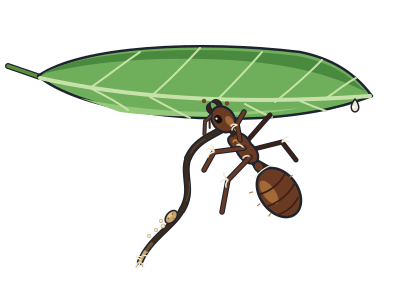
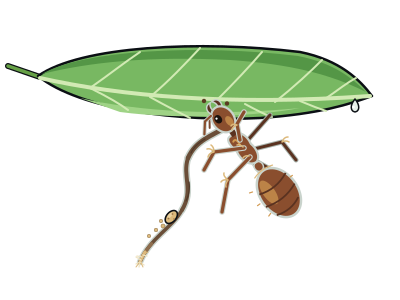
- Zombie-ant fungusSteers an infected ant up a plant to bite a leaf, then sprouts from its head.
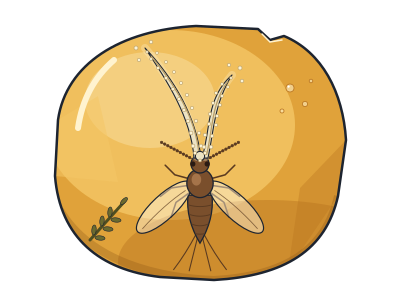
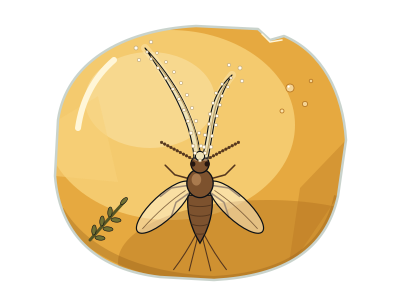
- Amber insect-parasite fungusTwo tiny stalks sprouting from a scale insect's head, frozen in amber since the dinosaurs.
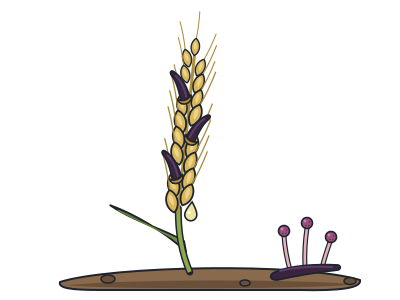
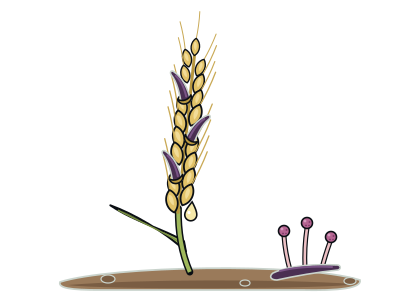
- ErgotDark spurs on rye that once poisoned whole villages and later gave medicines.
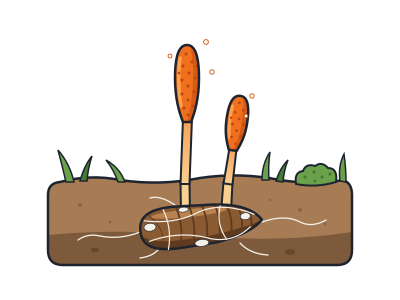
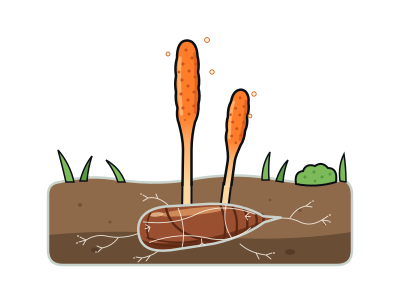
- Orange caterpillar fungusBright orange clubs that grow out of buried moth pupae; now farmed on rice.
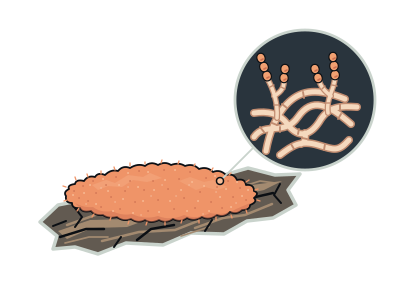
- Red bread mouldAn orange mould that helped prove each gene makes a protein.
- Rice blast fungusPunches into rice leaves with enormous pressure; it destroys enough rice to feed millions.