A group of living things
Moulds, morels and lichens
Pezizomycotina
Mould medicines, woodland cups and lichen partnerships
This branch is shown at about 500 million years ago; its age is a rough estimate.
You and moulds, morels and lichens meet in the Fungi and animals branch, shown at about 1.3 billion years ago (on 10 September, in a calendar from life's shared ancestor to today).
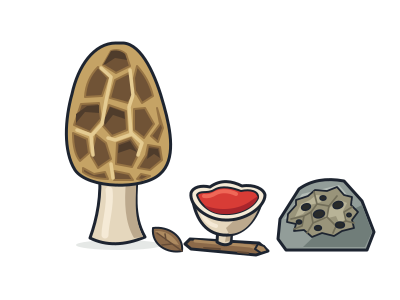
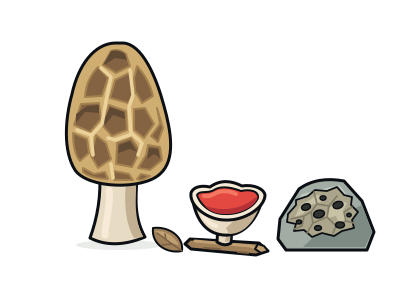
Life-saving moulds, prized common morels and insect-hunting fungi are relatives of the fungi in many lichens. They share this many-celled branch of sac fungi with truffles and cup fungi, including red elf cups. Most grow as networks of fine threads. The morels and cups we notice are spore-bearing structures, not the whole fungal network.
Their ways of life are just as varied as their shapes. Some feed on dead material; others form close partnerships with tree roots. A Penicillium mould led Alexander Fleming to discover penicillin in 1928, helping transform medicine. Other members live at an insect's expense: the caterpillar fungus grows in caterpillars and other immature insects.
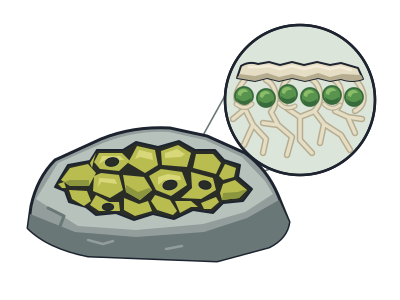
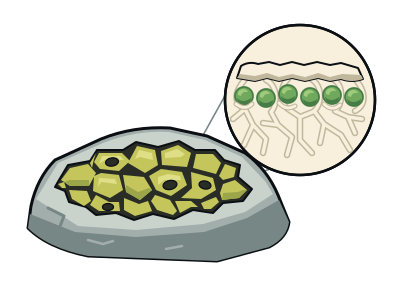
A crusty lichen is another kind of partnership, not a moss. It brings together a fungus and an alga or a light-using bacterium. Morels, red cups and the fungal partners in many lichens belong to this same branch, despite looking so different.
Hidden sacs
Sac fungi get their name from microscopic sacs in which sexual spores develop.
An unlikely pair
Morels and truffles belong to the same smaller branch, despite their very different-looking spore-bearing bodies.
Colour for cloth
People have used lichens to dye cloth, including colours traditionally used in Harris tweed.
Inside moulds, morels and lichens
- Blue-green moulds and kinMoulds that gave us penicillin, soy sauce and sake, plus the fungus behind athlete's foot.
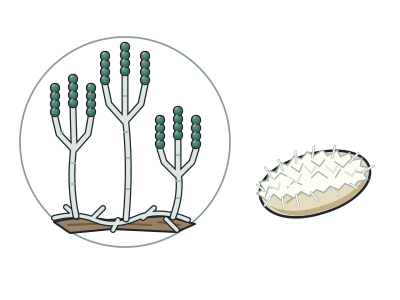
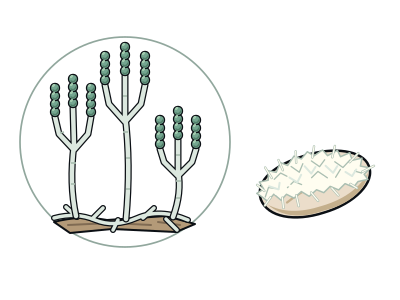
- Lichen fungiFungi that farm algae inside themselves, building lichens that can live on bare rock.
- Flask fungiFungi that fire spores from tiny flasks; many infect insects, crops and trees.
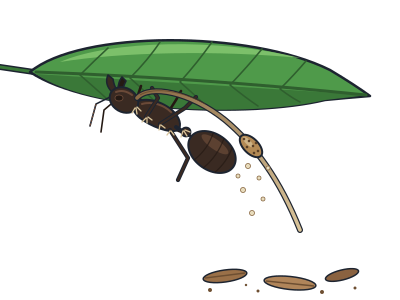
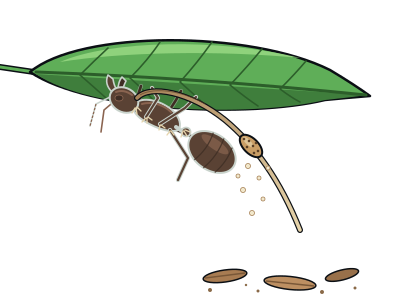
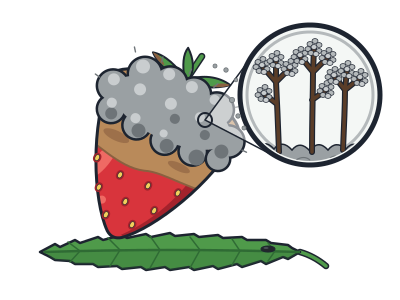
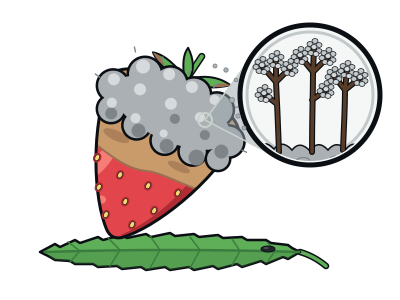
- Grey mouldThe fuzz on rotting strawberries, and the 'noble rot' that sweetens some wines.
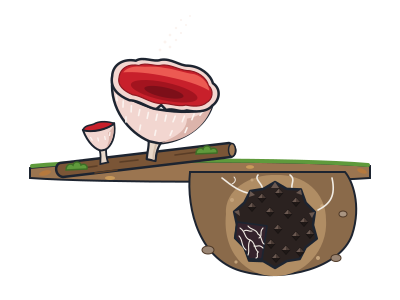
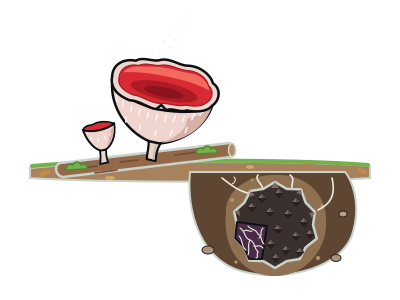
- Cup fungi, morels and trufflesTheir spores form in open cups; truffles are cups that folded up and moved underground.
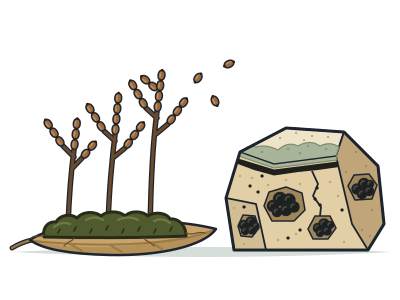
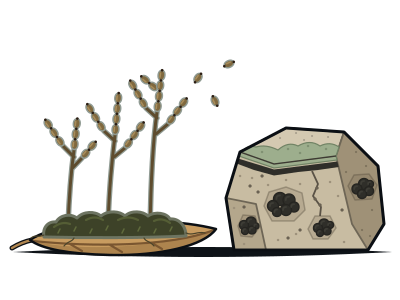
- Dark moulds and rock fungiThe largest class of sac fungi, many with dark walls that shield them from sun, frost and drought.
Next to it on the tree
- Rhynie chert sac fungusA 407-million-year-old fungus caught in stone inside one of the very first land plants.
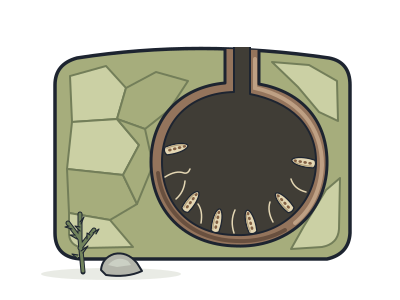
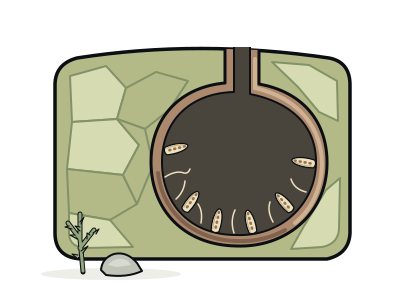
- Budding yeastsSingle cells that multiply by budding off daughter cells; bakers, brewers and a few troublemakers.
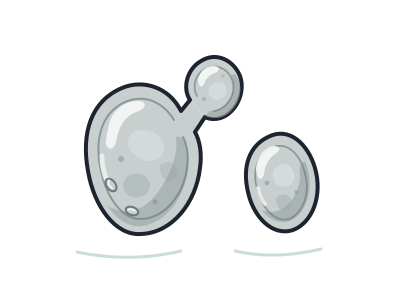
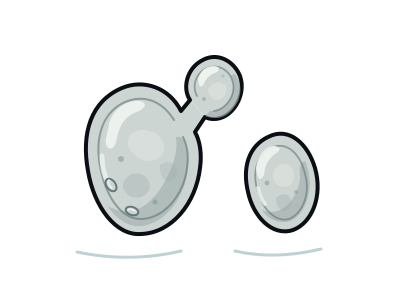
- Fission yeastA yeast that splits in two down the middle; it helped scientists discover how cells divide.