A group of living things
Cup fungi, morels and truffles
Pezizomycetes
Fungi that make their spores in open cups, and truffles that took the cup underground.
This branch is shown at about 330 million years ago; its age is a rough estimate.
You and cup fungi, morels and truffles meet in the Fungi and animals branch, shown at about 1.3 billion years ago (on 10 September, in a calendar from life's shared ancestor to today).
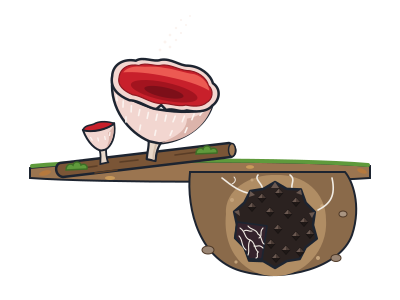
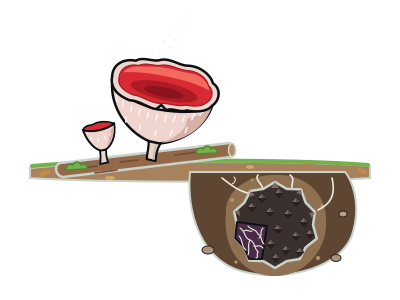
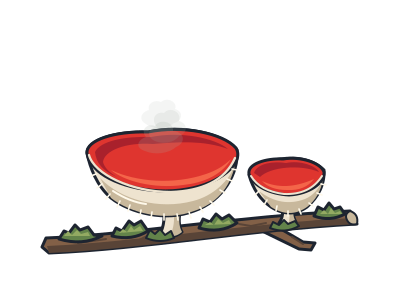
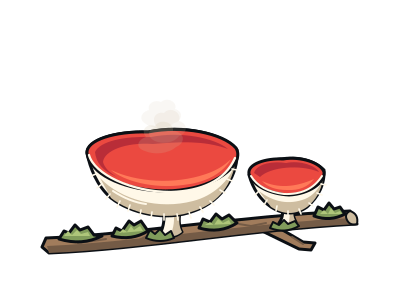
Picture a small, bright red bowl sitting on a mossy stick in a damp winter wood. That is a scarlet elf cup, and it makes its spores on the inside of the bowl. They grow in tiny tubes lining the cup, and when they are ripe they are shot out into the air. Morels belong to this group too, and so do truffles, the knobbly lumps prized by cooks.
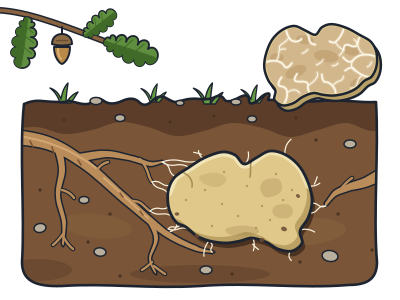
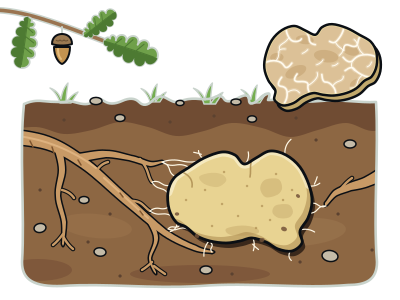
The surprise is that truffles are cup fungi that moved underground. Instead of holding an open cup up to the air, they fruit as closed lumps in the soil. This switch happened separately more than a dozen times, so 'truffle' describes a shape, not one family. One South American cup fungus that still grows above ground turned out to belong in the true-truffle family.
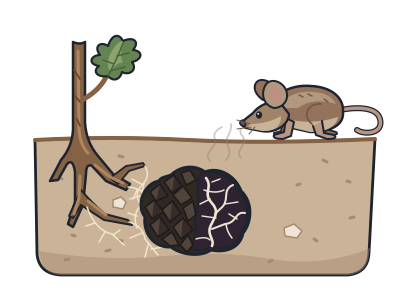
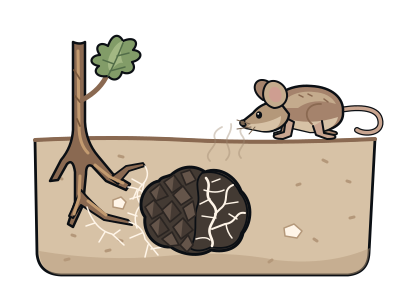
Living underground came at a cost: truffles can no longer shoot their spores. Instead, they rely on animals that eat them and spread the spores in their droppings. Truffle spores have turned up in the droppings of rodents, marsupials, reptiles and even snails and slugs.
A puffing cup
When thousands of a scarlet elf cup's spore tubes burst at once, they can make a faint puffing sound you can actually hear.
Hundreds of truffles
The true-truffle genus alone has at least 180 species around the world.
Again and again
Even within a single family of cup fungi, the truffle shape arose separately at least three times.
Inside cup fungi, morels and truffles
- Yellow morelA spring mushroom with a honeycomb cap, hunted by foragers; it is a sac fungus, not a toadstool.
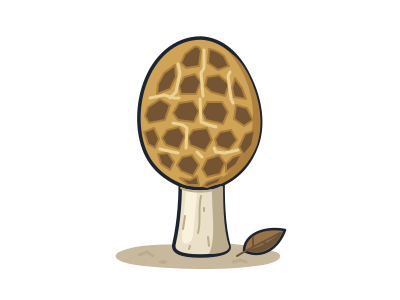
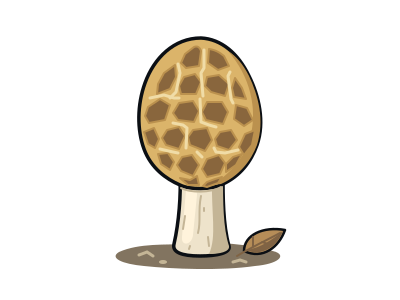
- Black truffleGrows underground on oak roots and uses its smell to get dug up by animals.
- Scarlet elf cupBright red cups on mossy winter sticks that puff spores like smoke.
- White truffleSniffed out by dogs in Italian oak woods, it is among the costliest foods on Earth by weight.
Next to it on the tree
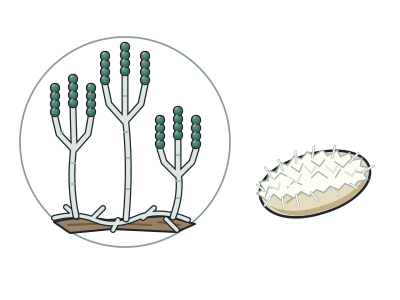
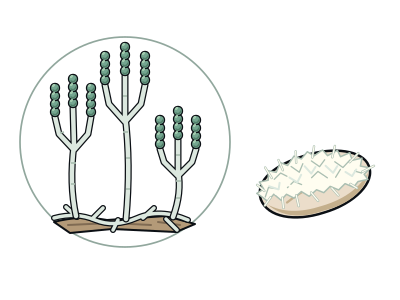
- Blue-green moulds and kinMoulds that gave us penicillin, soy sauce and sake, plus the fungus behind athlete's foot.
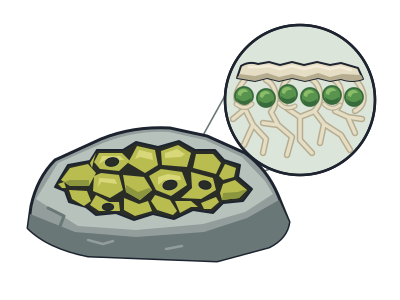
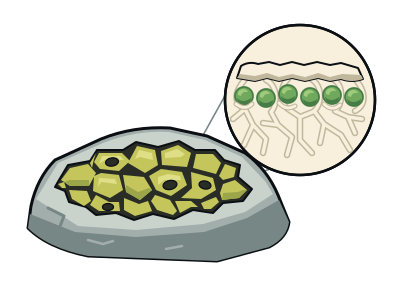
- Lichen fungiFungi that farm algae inside themselves, building lichens that can live on bare rock.
- Flask fungiFungi that fire spores from tiny flasks; many infect insects, crops and trees.
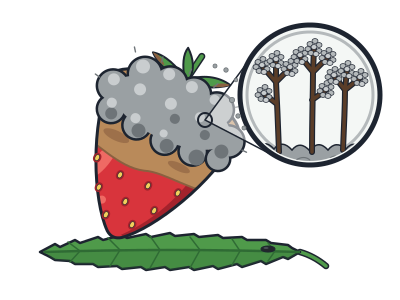
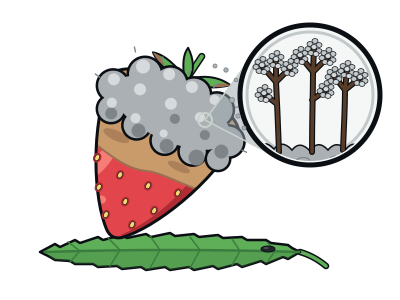
- Grey mouldThe fuzz on rotting strawberries, and the 'noble rot' that sweetens some wines.
- Dark moulds and rock fungiThe largest class of sac fungi, many with dark walls that shield them from sun, frost and drought.