A group of living things
Lichen fungi
Lecanoromycetes
Tiny fungal farmers making a home on bare rock
This branch is shown at about 300 million years ago; its age is a rough estimate.
You and lichen fungi meet in the Fungi and animals branch, shown at about 1.3 billion years ago (on 10 September, in a calendar from life's shared ancestor to today).
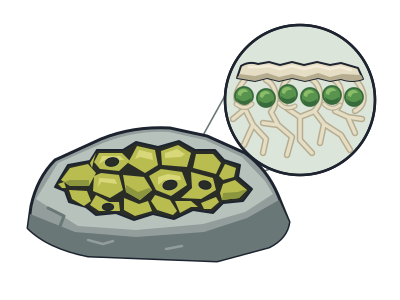
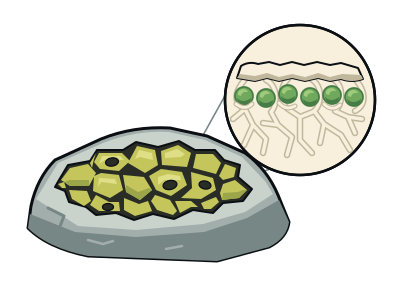
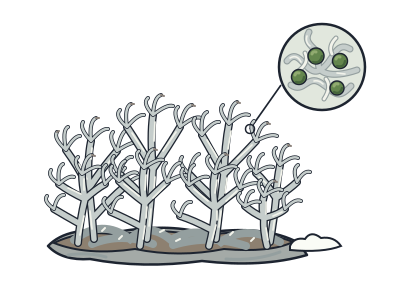
Imagine a fungus farming algae among its threads. That is a useful way to picture many members of this group, which build lichens that can live on bare rock. The algae use sunlight to make sugars, and some of that food feeds the fungus. The partners stay distinct: the algae live between fungal threads, not inside fungal cells.
These fungi are relatives of morels and truffles, not a kind of moss. This branch contains most lichen-forming fungi, but it is not a complete lichen family album. Other branches have lichen-makers too, and a few fungi on this branch do not form lichens at all.
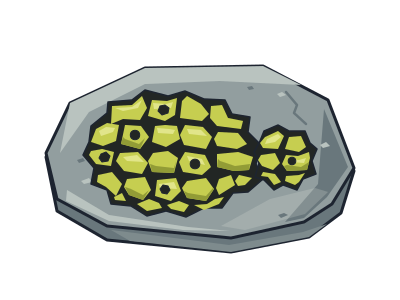
A yellow-green crust on stone can hide a layered world. Many lichens have a compact fungal skin above a layer of algae, with a loose tangle of threads beneath. Map lichen looks like tiny yellow-green tiles divided by black lines. Other lichens grow as leaf-like sheets, bushes or hanging strands.
Travelling together
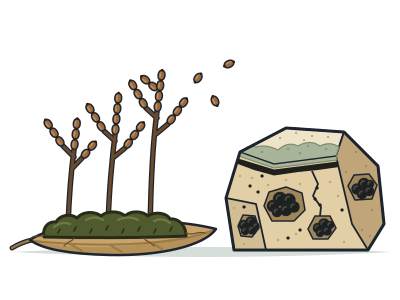
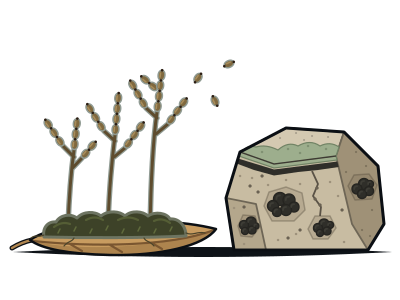
Some lichens release tiny, dust-like packages containing both algae and fungal threads.
Winter food
Reindeer lichen feeds reindeer and caribou in winter, when other vegetation is scarce.
A worldwide partnership
Lichens occur from ice-free polar ground to tropical forests and deserts.
Inside lichen fungi
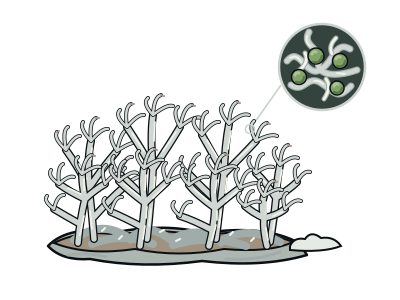
- Reindeer lichenA fungus farming algae inside itself; together they form a spongy mat that feeds reindeer in winter.
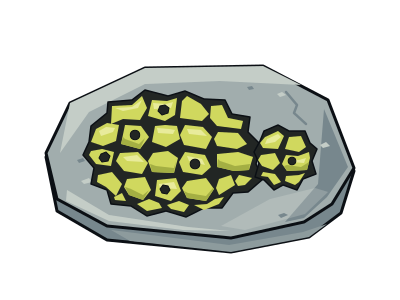
- Map lichenYellow-green patches like maps on rocks, growing so slowly that scientists use them to date stones.
- Common sunburst lichenThe bright orange crust on walls, roofs and branches near the sea.
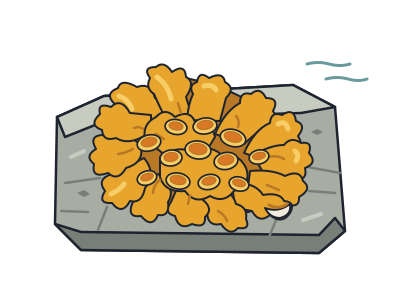
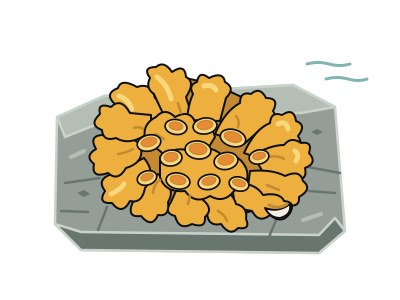
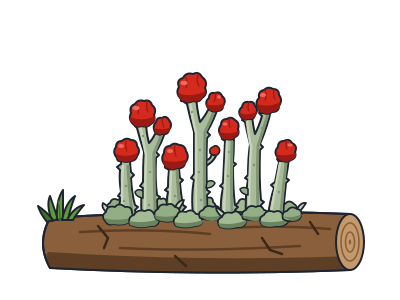
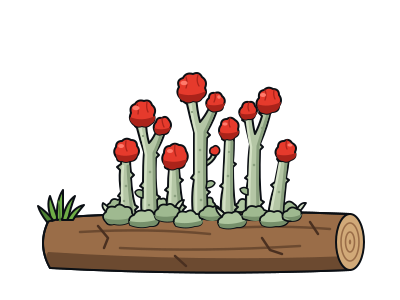
- British soldiers lichenTiny grey-green stalks with bright red caps, like little soldiers in red coats on old logs.
- Tree lungwortA leafy lichen like green lung tissue; it grows only in old forests with clean air.
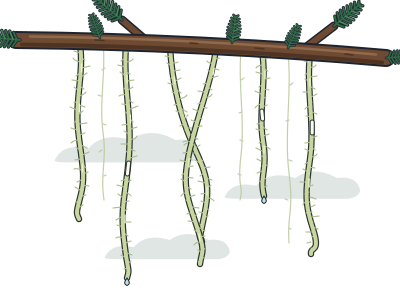
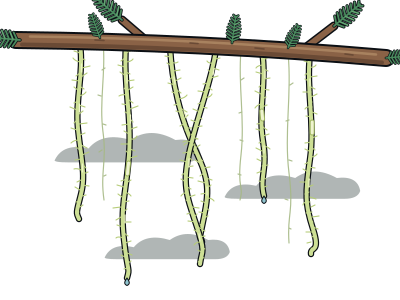
- Methuselah's beard lichenHangs from branches in pale green strands that can reach several metres, one of the longest lichens.
Next to it on the tree
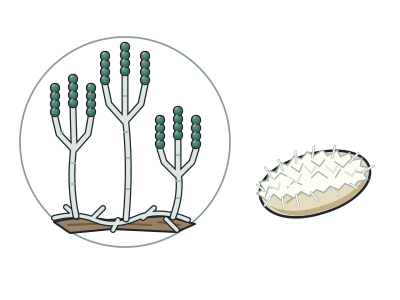
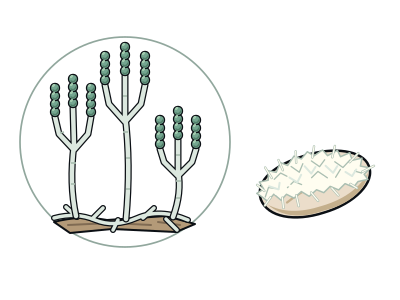
- Blue-green moulds and kinMoulds that gave us penicillin, soy sauce and sake, plus the fungus behind athlete's foot.
- Flask fungiFungi that fire spores from tiny flasks; many infect insects, crops and trees.
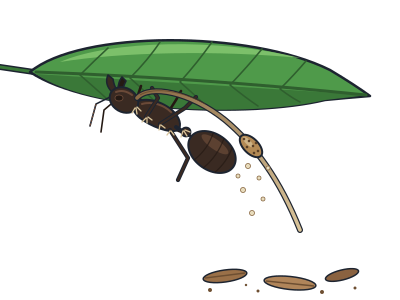
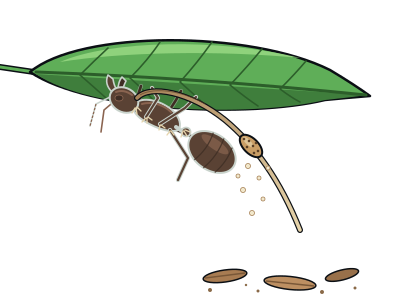
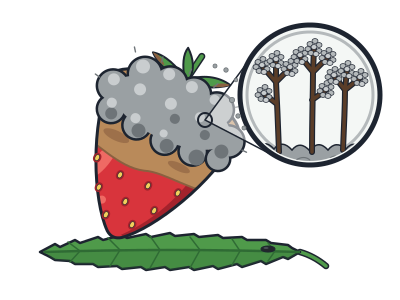
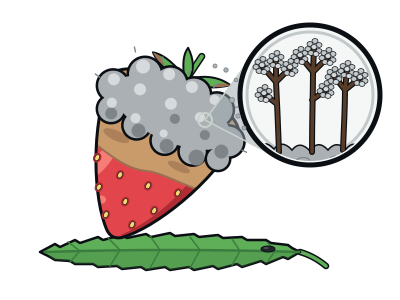
- Grey mouldThe fuzz on rotting strawberries, and the 'noble rot' that sweetens some wines.
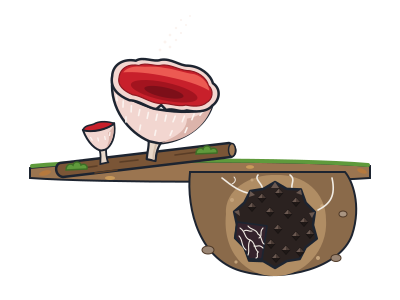
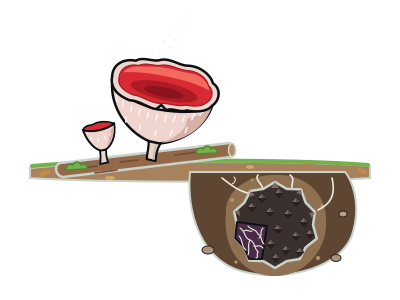
- Cup fungi, morels and trufflesTheir spores form in open cups; truffles are cups that folded up and moved underground.
- Dark moulds and rock fungiThe largest class of sac fungi, many with dark walls that shield them from sun, frost and drought.