A species
Reindeer lichen
Cladonia rangiferina
A fungus farming algae—and feeding reindeer
You and the reindeer lichen meet in the Fungi and animals branch, shown at about 1.3 billion years ago (on 10 September, in a calendar from life's shared ancestor to today).
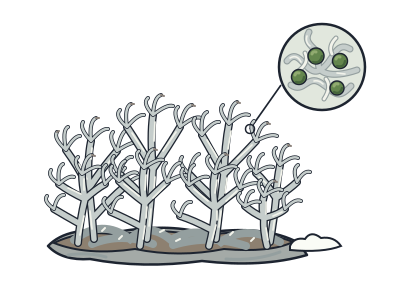
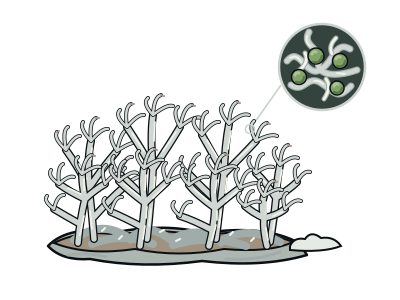
Reindeer lichen is a fungus “farming” green algae inside its body. The algae live among its fine fungal threads, using sunlight to make sugars that feed the fungus. In return, the fungus provides a protective home. Farming is a comparison, not deliberate behaviour. Together, the partners build a spongy mat. Reindeer lichens are important winter food for many caribou herds, and this species is eaten extensively in Newfoundland.
Its place on the family tree follows the fungus, not the algae sharing its body. That is why you find it here among the fungi. Lichens do not all belong to one exclusive branch: this way of living occurs in several fungal branches.
Look closely and its silvery-grey cushion resembles a miniature forest of leafless shrubs, with slightly brown tips. It has no water-absorbing roots. Instead, its body takes up moisture directly from rain and humid air, rather like a sponge.
Travelling together
Broken fragments can spread naturally because they can carry both the fungus and its algal partners.
Branching by threes and fours
Its branches commonly divide into four, sometimes three. Under magnification, their surface looks finely cottony.
Losing ground in Britain
It has declined south of the Scottish Highlands. Habitat loss and overly intensive heathland management are recognised threats.
Next to it on the tree
- Map lichenYellow-green patches like maps on rocks, growing so slowly that scientists use them to date stones.
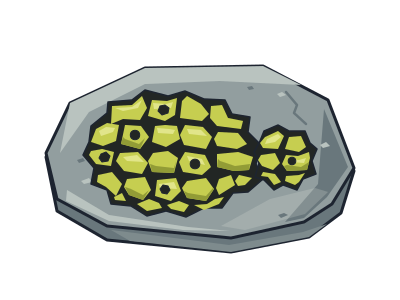
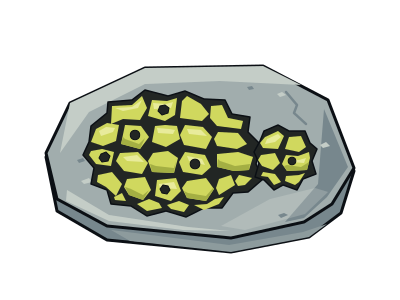
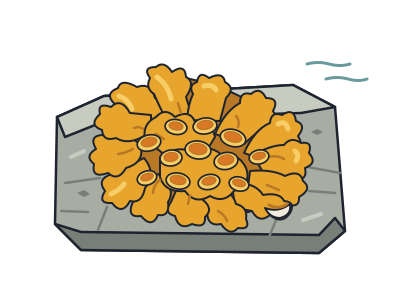
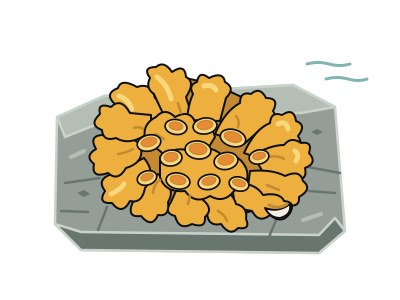
- Common sunburst lichenThe bright orange crust on walls, roofs and branches near the sea.
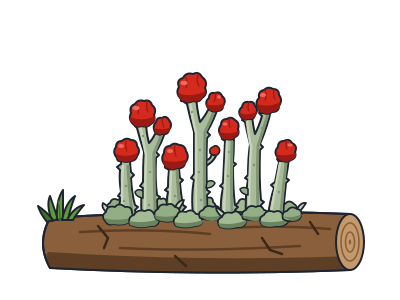
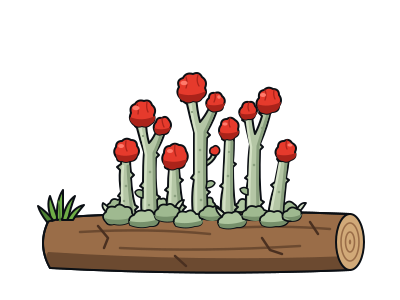
- British soldiers lichenTiny grey-green stalks with bright red caps, like little soldiers in red coats on old logs.
- Tree lungwortA leafy lichen like green lung tissue; it grows only in old forests with clean air.
- Methuselah's beard lichenHangs from branches in pale green strands that can reach several metres, one of the longest lichens.