A species
Methuselah's beard lichen
Usnea longissima
A pale green beard that hangs from old trees, often called the world's longest lichen
You and the methuselah's beard lichen meet in the Fungi and animals branch, shown at about 1.3 billion years ago (on 10 September, in a calendar from life's shared ancestor to today).
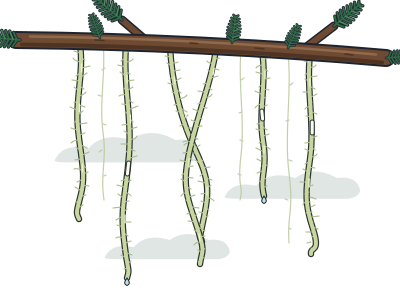
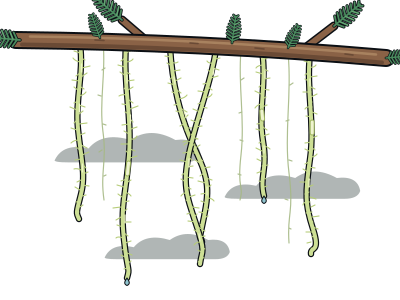
Picture pale green strands hanging from a high branch like a long, ragged beard swaying in the wind. This lichen is one of the longest in the world. Most strands are about 15 to 30 centimetres long, but some reach about 3 metres, longer than a tall adult lying down.
It looks like a plant, but it isn't one. A lichen is a partnership: a fungus living together with green algae. On the tree of life, fungi share a branch with animals, not plants. So the fungus in this dangling 'beard' is a closer relative of mushrooms, and even of you, than of the tree it hangs from. Other lichen fungi, such as reindeer lichen and map lichen, are its relatives.
Each strand is one long main stem lined with many short side branches, like a fuzzy pipe cleaner or a centipede. It lives high in conifer trees in old, rainy, foggy forests, often near lakes, rivers or the coast.
It rarely makes spores. Instead, bits of strand break off, land on another branch and grow into new lichens. That makes it a very slow traveller. In one Swedish national park, new patches typically turned up only about 4 metres from old ones over 37 years. Air pollution and logging have wiped it out from many places where it once grew, especially in Europe.
A look-alike plant
Spanish moss is a flowering plant that looks very similar. Its scientific name, Tillandsia usneoides, means 'Usnea-like', after the group of lichens this one has long been placed in.
Soft stuffing
People have used it to stuff bedding and pillows in places as far apart as British Columbia and the Simla Hills of India.
An ancient nickname
Early Chinese herbal texts from around 500 AD called it names meaning 'pine gauze' and 'Lao-tzu's beard'.
Next to it on the tree
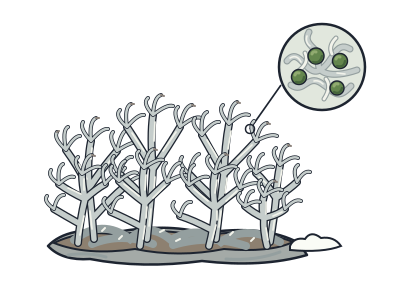
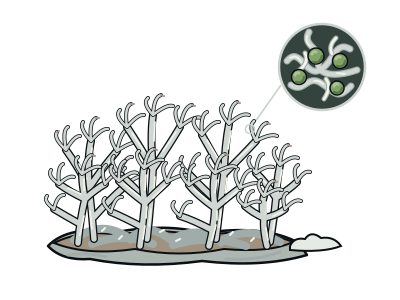
- Reindeer lichenA fungus farming algae inside itself; together they form a spongy mat that feeds reindeer in winter.
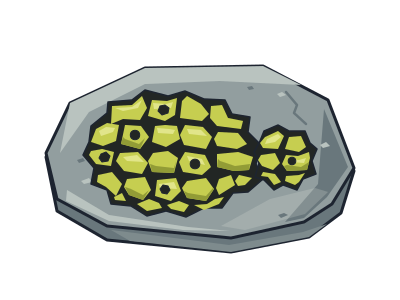
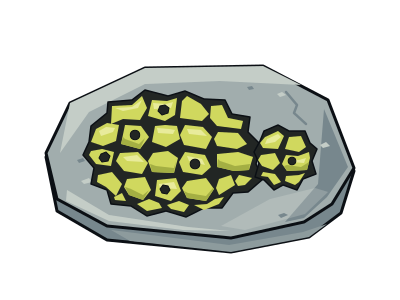
- Map lichenYellow-green patches like maps on rocks, growing so slowly that scientists use them to date stones.
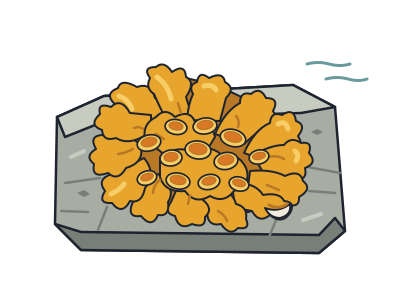
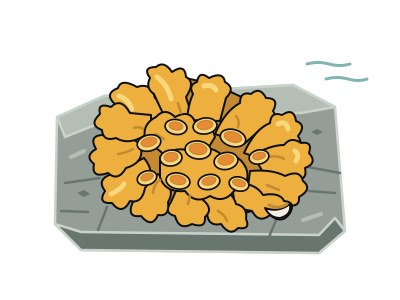
- Common sunburst lichenThe bright orange crust on walls, roofs and branches near the sea.
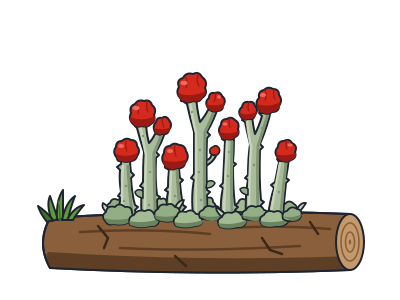
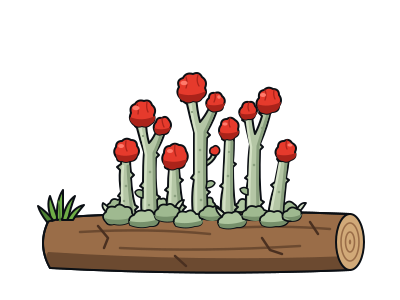
- British soldiers lichenTiny grey-green stalks with bright red caps, like little soldiers in red coats on old logs.
- Tree lungwortA leafy lichen like green lung tissue; it grows only in old forests with clean air.