A species
Grey mould
Botrytis cinerea
The fuzz on old strawberries that also helps make famous sweet wines
You and the grey mould meet in the Fungi and animals branch, shown at about 1.3 billion years ago (on 10 September, in a calendar from life's shared ancestor to today).
That grey fuzz on a forgotten punnet of strawberries is grey mould. On wine grapes, in the right weather, the same fungus becomes 'noble rot', which helps make some of the world's most famous sweet wines. It belongs to the sac fungi, so its relatives include morels, truffles and the fungi that form lichens.
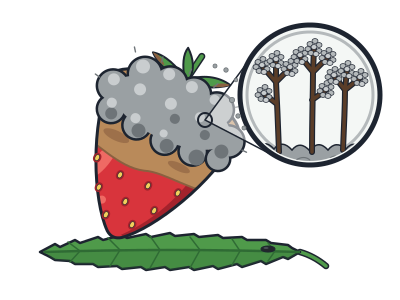
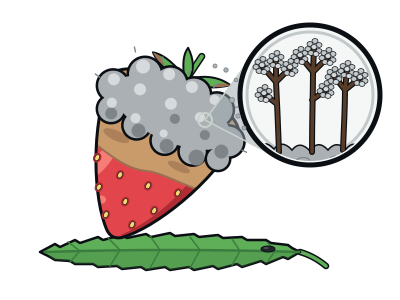
On strawberries, it usually gets in through the flowers, long before the fruit is ripe. Then it hides inside, showing no signs, until the berry ripens and the weather turns damp. Light brown patches appear at the stem end and spread quickly. Soon the berry wears a velvety grey coat. That coat is made of huge numbers of spores held up on branching, tree-like stalks.
On grapes, the weather decides what happens. If damp spells alternate with drier ones, the fungus makes tiny holes in the grape skins. Water escapes, and the grapes shrivel and lose up to about 60% of their weight. This concentrates their sugars and flavours, giving tastes like apricot, honey and raisin. If it stays wet, the result is destructive 'grey rot', which ruins the grapes for winemaking.
Grey mould attacks more than 200 kinds of flowering plants and causes serious crop losses in fields and greenhouses around the world.
Named for ashy grapes
Its scientific name, from Greek and Latin words, roughly means 'grapes like ashes'. Under a microscope, its spores sit in grape-like bunches that look ash-grey.
A top crop enemy
In a 2012 survey of plant-disease scientists, it was voted the second most important fungus attacking plants worldwide. Only rice blast fungus ranked higher.
Hard black survival capsules
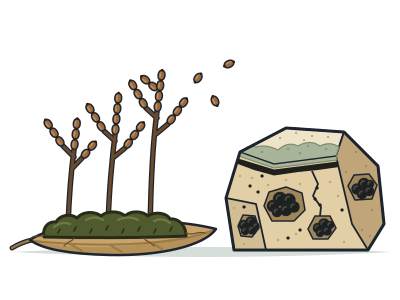
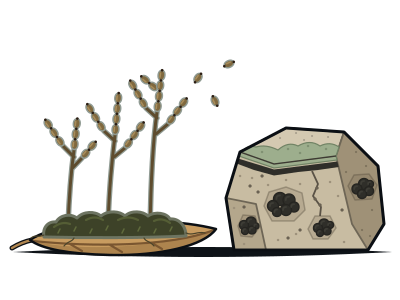
When there are few plants to feed on, it can form hard, black, seed-like lumps in dead plant material. These can rest for a long time, then sprout and make new spores.
Next to it on the tree
- Blue-green moulds and kinMoulds that gave us penicillin, soy sauce and sake, plus the fungus behind athlete's foot.
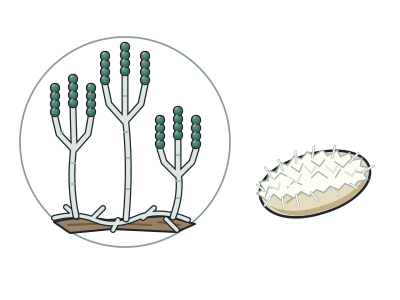
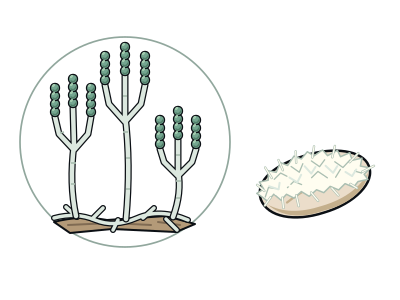
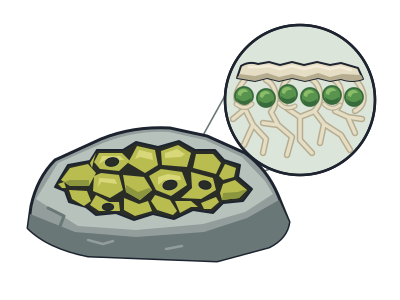
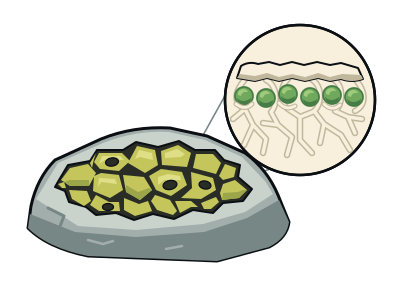
- Lichen fungiFungi that farm algae inside themselves, building lichens that can live on bare rock.
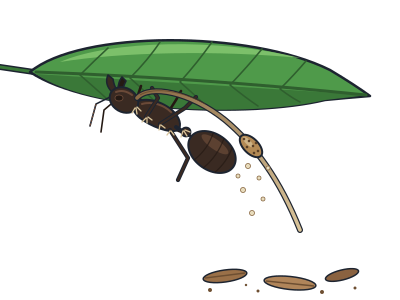
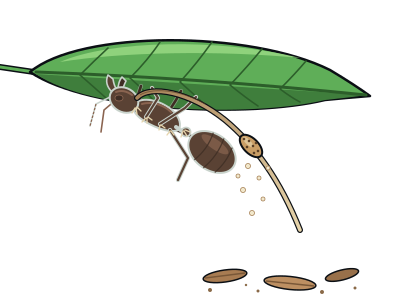
- Flask fungiFungi that fire spores from tiny flasks; many infect insects, crops and trees.
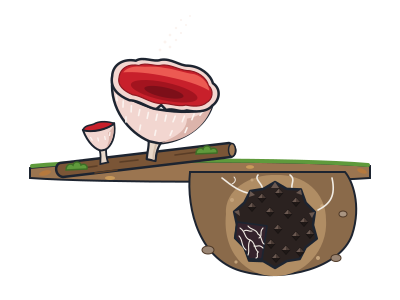
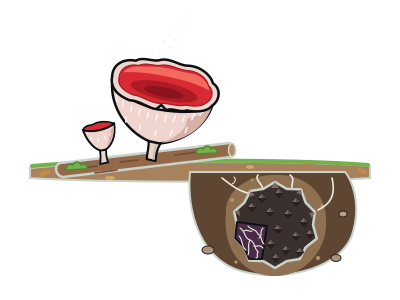
- Cup fungi, morels and trufflesTheir spores form in open cups; truffles are cups that folded up and moved underground.
- Dark moulds and rock fungiThe largest class of sac fungi, many with dark walls that shield them from sun, frost and drought.