A species
Rice blast fungus
Pyricularia oryzae
A microscopic fungus that breaks into rice leaves by sheer pressure
You and the rice blast fungus meet in the Fungi and animals branch, shown at about 1.3 billion years ago (on 10 September, in a calendar from life's shared ancestor to today).
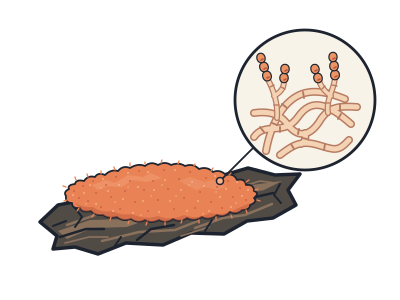
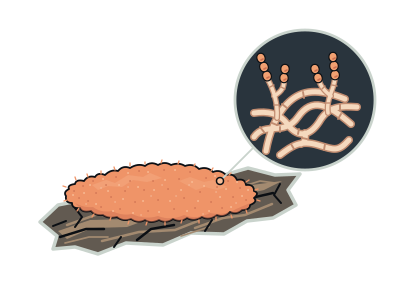
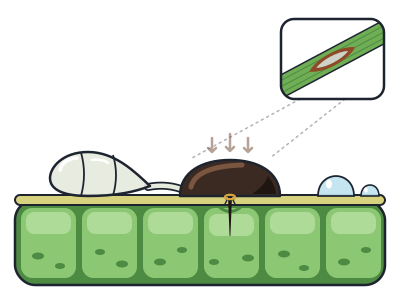
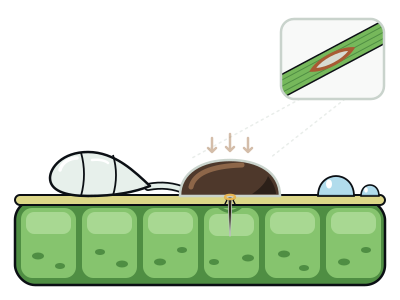
This tiny fungus breaks into rice plants by brute force. A spore lands on a wet leaf and grows a short thread. The tip of the thread swells into a small, dome-shaped cell. The cell fills itself with glycerol, a kind of sugar-alcohol, which draws in water. The pressure inside rises to about 40 times the pressure in a car tyre. A dark layer in the cell wall helps hold it in. Then the cell pushes a needle-thin peg straight through the leaf's tough outer skin.
A ring of proteins inside the cell focuses all that pressure on one tiny point, like the tip of a pin. The fungus even has a built-in pressure sensor. It tells the cell when the pressure is high enough to break in.
It causes the most serious disease of farmed rice. Each year it destroys enough rice to feed more than 60 million people. It does not infect people, but it is a big threat to food supplies.
On the tree of life it sits among the flask fungi, a group of sac fungi. Its relatives in that group include the zombie-ant fungus, which takes over ants, and ergot, which grows on grain. Red bread mould, a famous lab fungus, belongs to the group too.
Punching through plastic
In lab tests, its pressurised cell pushed through plastic films such as PVC. Harder plastics needed more pressure, which showed that the fungus gets in by physical force.
Spores by the thousand
One leaf spot can release thousands of spores in a single night, and the wind carries them away. One round of infection takes only about a week.
Not just rice
Other forms of this same fungus attack wheat, barley, rye and pearl millet, causing similar 'blast' diseases.
Next to it on the tree
- Zombie-ant fungusSteers an infected ant up a plant to bite a leaf, then sprouts from its head.
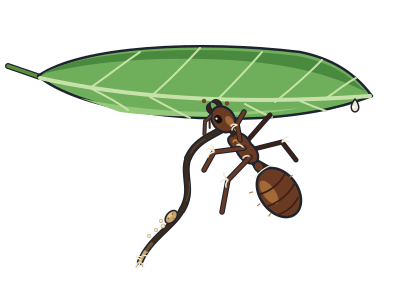
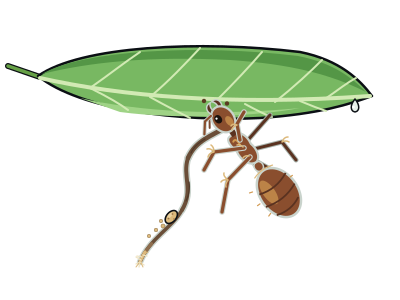
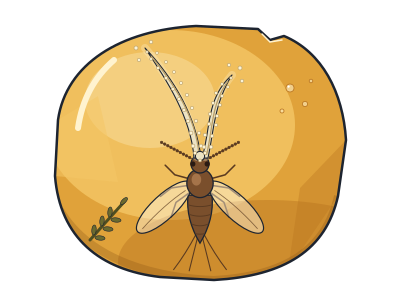
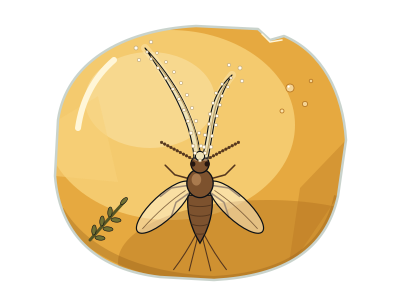
- Amber insect-parasite fungusTwo tiny stalks sprouting from a scale insect's head, frozen in amber since the dinosaurs.
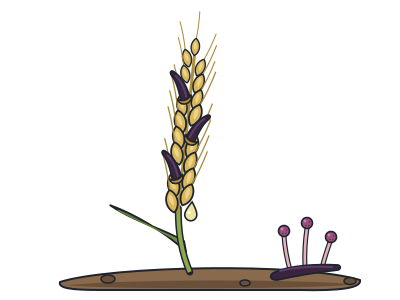
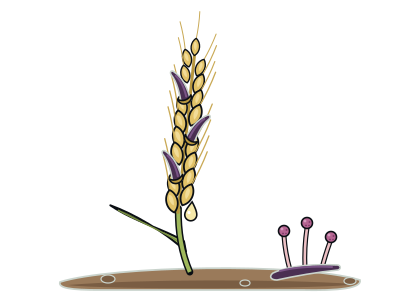
- ErgotDark spurs on rye that once poisoned whole villages and later gave medicines.
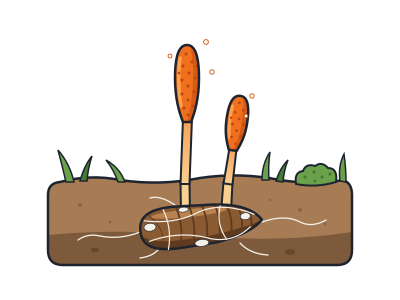
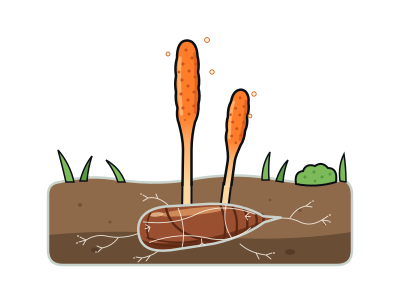
- Orange caterpillar fungusBright orange clubs that grow out of buried moth pupae; now farmed on rice.
- Dutch elm disease fungusSpread by bark beetles, it killed most of the tall elms of Europe and North America.
- Red bread mouldAn orange mould that helped prove each gene makes a protein.