A species
Fission yeast
Schizosaccharomyces pombe
A yeast that splits in two—and helped explain how cells divide.
You and the fission yeast meet in the Fungi and animals branch, shown at about 1.3 billion years ago (on 10 September, in a calendar from life's shared ancestor to today).
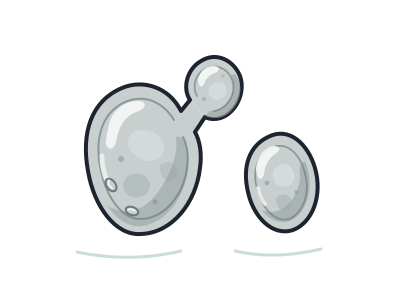
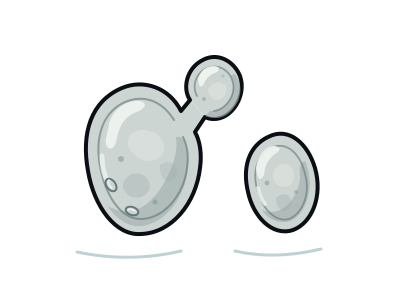
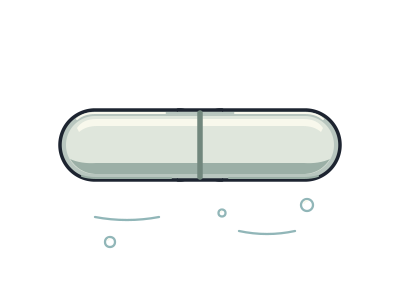
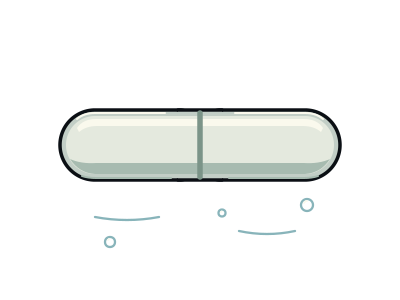
Fission yeast splits across its middle into two cells. This simple-looking process helped scientists tackle a big question: how do cells control growth and division? Paul Nurse’s Nobel-winning work relied heavily on studying this yeast. A single-celled fungus helped reveal how the repeating sequence of cell growth and division works.
A typical growing cell looks like a tiny rod with rounded ends, not a miniature mushroom. It grows longer at its ends before dividing across its midpoint. The split runs across the cell, not lengthways from tip to tip. That is different from budding yeasts, which grow a small bud from one side.
The family connection holds another surprise: being a yeast does not mean belonging to one exclusive family. The single-celled yeast way of life arose separately in fission yeasts and budding yeasts. Their similar way of living does not make them the same kind of fungus.
A name from beer
The species name means ‘beer’ in Swahili, reflecting its discovery in African beer.
Usually three packages
Its nucleus usually holds three chromosomes: packages of DNA. Some naturally occurring strains have a different number.
Found far and wide
A collection reviewed in 2017 included records from every continent except Antarctica.
Next to it on the tree
- Rhynie chert sac fungusA 407-million-year-old fungus caught in stone inside one of the very first land plants.
- Moulds, morels and lichensMany-celled sac fungi: life-saving moulds, prized cup fungi, insect hunters and lichen partners.
- Budding yeastsSingle cells that multiply by budding off daughter cells; bakers, brewers and a few troublemakers.